
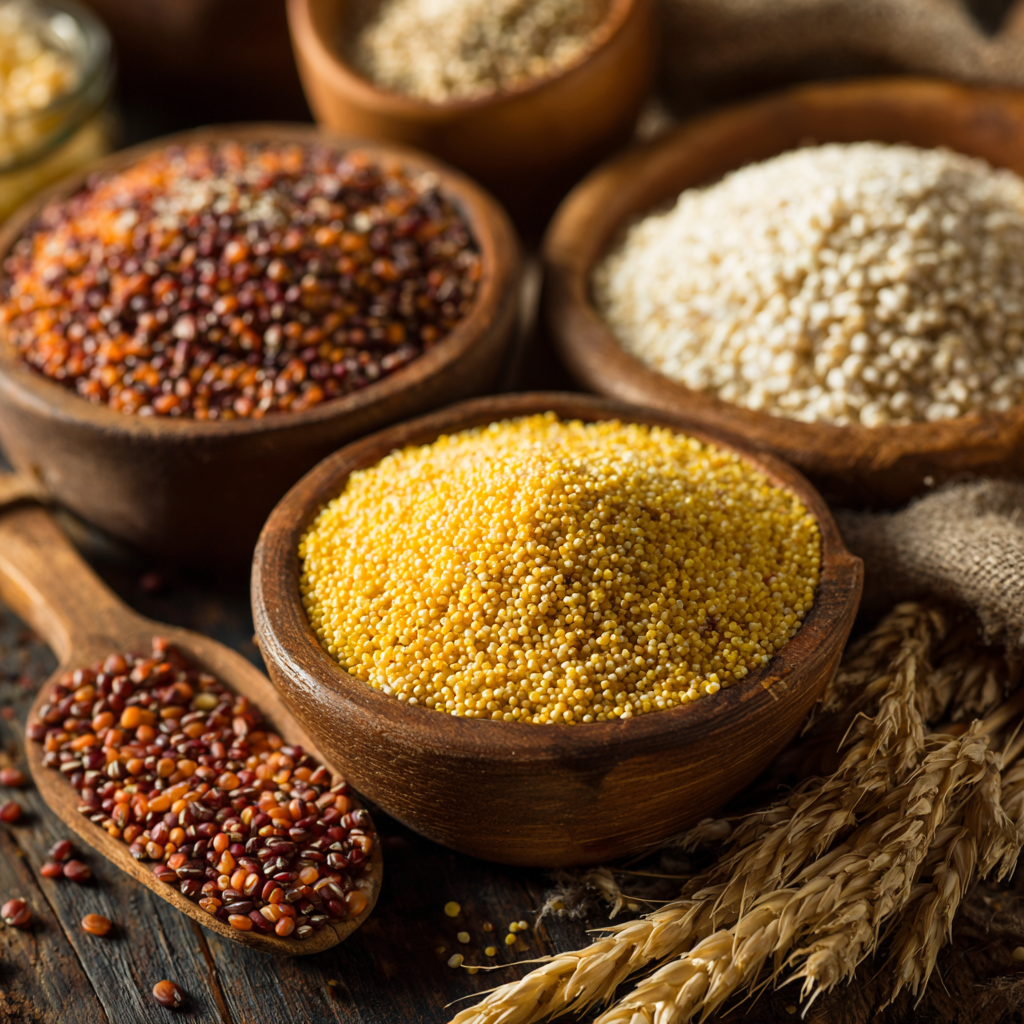
Millets — once considered humble grains — are now making a global comeback. As health consciousness grows, people are rediscovering these ancient superfoods for their incredible nutrition, sustainability, and versatility.
From ragi and jowar to bajra and foxtail millet, these grains have nourished generations before the rise of processed wheat and rice. But modern science now confirms what tradition already knew — millets are packed with nutrients, gentle on digestion, and powerful allies for long-term health.
If you’ve been thinking about improving your diet without giving up taste or convenience, switching to millets could be one of the smartest decisions you make this year.
What Makes Millets So Special?
Millets are small-seeded, hardy grains that thrive in dry, resource-efficient conditions. They don’t require chemical fertilizers or excessive irrigation, making them both eco-friendly and nutrient-dense.
Unlike refined grains like maida (white flour), millets are consumed whole, retaining their fiber, vitamins, minerals, and antioxidants.
The result?
- Better energy stability
- Improved digestion
- Lower disease risk
- And even support for sustainable farming.
Let’s explore 10 proven, science-backed benefits of including millets in your daily meals.
1. Rich in Essential Nutrients
Millets are nutritional powerhouses. A 100g serving provides:
- Calcium (especially in ragi/finger millet) — crucial for bones and teeth
- Iron & Zinc(in Bajra or pearl millet) — key for blood health and immunity
- B-vitamins — important for metabolism and energy
- Magnesium & Phosphorus — essential for muscle and nerve function
Unlike refined cereals, millets offer complete nourishment — making them ideal for children, athletes, and working professionals.
2. Excellent Source of Plant-Based Protein
With 7–11g of protein per 100g, millets rival many legumes. The amino acids in millets (when paired with pulses) support tissue repair, muscle growth, and sustained energy.
Pairing millets with pulses (like moong dal) creates a complete protein meal, perfect for vegetarians and vegans.
👉 Try Nutramore Jowar Upma Mix — a perfect example of millet + pulse synergy, offering balanced protein for busy mornings.
3. Low Glycemic Index (GI) = Steady Energy
Millets digest slowly, releasing glucose gradually. This prevents blood sugar spikes and crashes — one reason they’re a top choice for diabetics and pre-diabetics.
Compared to white rice or refined wheat, millets have a 30–50% lower GI, meaning:
- Sustained energy throughout the day
- Better focus and productivity
- Reduced hunger pangs
That’s why Nutramore Millet Cookies, made with ragi and jowar, are ideal for steady, guilt-free snacking during work hours.
4. Promotes Heart Health
Heart health starts with what’s on your plate. Millets contain:
- Magnesium, which supports healthy blood pressure
- Niacin (Vitamin B3), which improves cholesterol metabolism
- Soluble fiber, which reduces LDL (“bad”) cholesterol
Studies show regular millet consumption can reduce triglycerides and improve overall lipid profiles, lowering the risk of cardiovascular disease.
5. Aids Weight Management
If you’re trying to maintain or lose weight, millets are your friend. Their high fiber and low calorie density keep you full longer, curbing unnecessary snacking.
Fiber slows digestion, balances hunger hormones, and reduces overeating — all while providing essential nutrients your body needs.
Replace your refined snack once a day with a Nutramore Ragi Cookie or millet chilla — it’s a simple step toward mindful eating and natural weight control.
6. Strengthens Bones and Teeth
Ragi (finger millet) is one of the richest natural sources of calcium among grains — even more than milk!
Calcium + Vitamin D are critical for bone density, especially for growing children, menopausal women, and elderly adults.
Adding ragi porridge, cookies, or pancakes to your family’s diet can significantly improve bone health over time.
7. Boosts Brain Function and Mental Clarity
Millets provide complex carbohydrates and B vitamins that support neurotransmitter production — essential for memory and focus.
Their steady energy release keeps your brain alert without caffeine crashes. That’s why a millet-based breakfast is ideal before demanding workdays or study sessions.
🦠 8. Improves Gut Health
A healthy gut is key to a healthy body — and millets feed your gut microbes the right way.
Their prebiotic fiber encourages good bacteria growth, aiding digestion and nutrient absorption.
In contrast, processed snacks and sugary foods disrupt gut balance, leading to bloating and sluggishness.
Millet-based snacks like Nutramore Jowar Cookies support digestion naturally — no preservatives, no additives.
9. Packed with Antioxidants and Anti-Inflammatory Compounds
Millets are rich in polyphenols and flavonoids, compounds that combat oxidative stress and inflammation — two major causes of aging and chronic disease.
Regular millet intake supports:
- Better skin and hair
- Stronger immunity
- Lower risk of lifestyle-related diseases
Your body feels lighter, more energetic, and resilient when nourished with whole grains instead of processed carbs.
10. Environmentally Sustainable
Beyond personal health, millets also protect the planet. They:
- Require 70% less water than rice
- Grow well in dry, arid soils without chemicals
- Have a short growing cycle, improving soil fertility
By choosing millet-based foods, you’re contributing to climate-smart agriculture and supporting rural farmers.
In other words, every millet cookie you eat is a small step toward a sustainable future.
How to Include Millets in Your Everyday Meals
Incorporating millets doesn’t mean giving up your favorites — just reimagining them with smarter ingredients.
Breakfast:
- Green Gram Upma or Jowar Chilla using Nutramore Premixes
- Ragi porridge with nuts and fruits
Midday Snack:
- Nutramore Millet Cookies (Ragi or Jowar)
- Roasted makhana or trail mix
Dinner:
- Millet khichdi with vegetables
- Jowar rotis with dal & vegetables
Gradual substitution is key — start by replacing one refined-grain meal a day with a millet-based option.
Frequently Asked Questions
1. Are millets good for everyone?
Yes. Millets are gluten-free, making them suitable for most people, including children and those with gluten sensitivity.
2. Can millets help control diabetes?
Absolutely. Their low-GI nature supports steady blood sugar levels and insulin balance.
3. Which millet is the healthiest?
Each millet offers unique benefits — ragi for calcium, jowar for fiber, foxtail for protein, bajra for iron. Variety is best.
4. How do I store millets or millet flour?
Keep them in airtight containers in a cool, dry place to preserve freshness.
The Nutramore Promise: Modern Nutrition, Ancient Wisdom
At Nutramore, we believe that good health shouldn’t come at the cost of convenience. Our range of Millet Cookies, Savory Snacks, and Breakfast Premixes combines the ancient goodness of millets with modern food science.
Made with:
- Whole millets (ragi, jowar, bajra)
- No maida, no refined sugar
- Zero preservatives
- Nutrient-rich natural ingredients
Whether you’re craving something sweet, savory, or filling, Nutramore makes healthy choices effortless.
Switch to Millets — Transform Your Health
Millets aren’t just another trend — they’re a return to wholesome, sustainable nutrition that supports your body, mind, and planet.
Start today:
Swap your regular snack with a Nutramore Millet Cookie, or begin your day with a Jowar Upma Premix. Within weeks, you’ll notice better energy, digestion, and focus.
Ancient grains. Modern health. Sustainable living.
That’s the power of millets — and it’s time to bring it back to your plate.
