
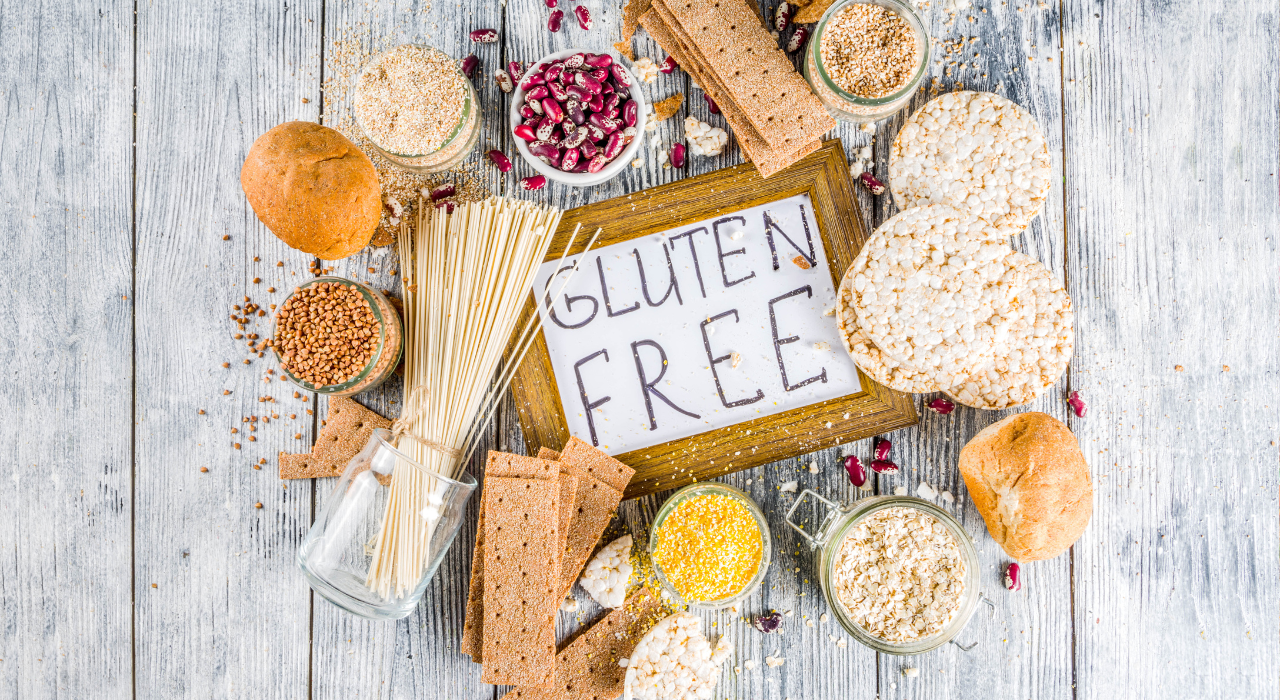
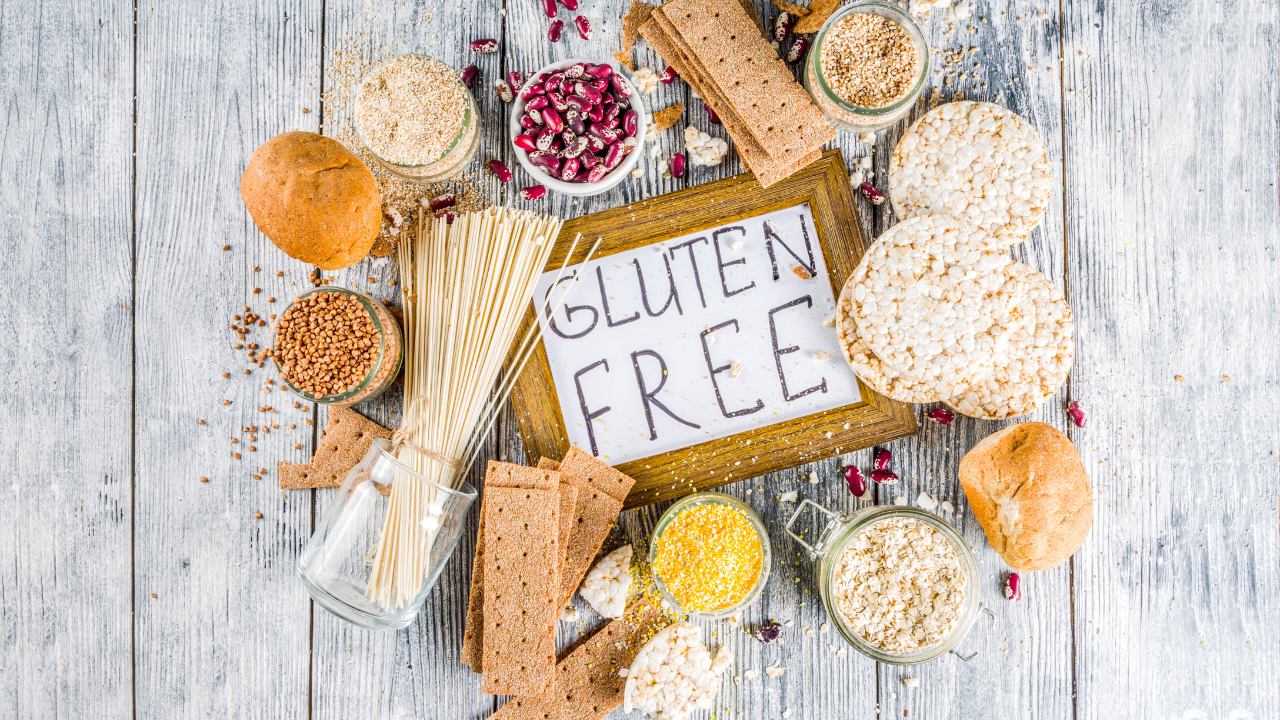
Gluten-free eating is often misunderstood as a trend—but for many people, reducing gluten can significantly improve digestion, immunity, and overall comfort. You don’t need to.
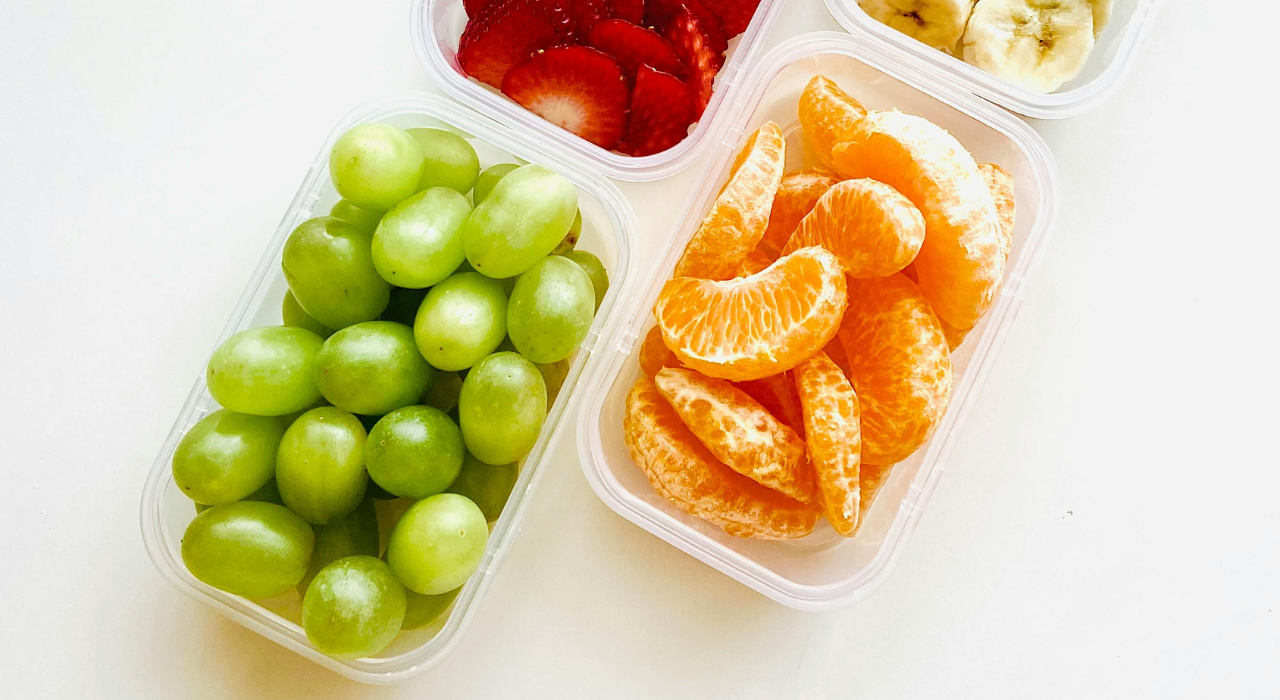
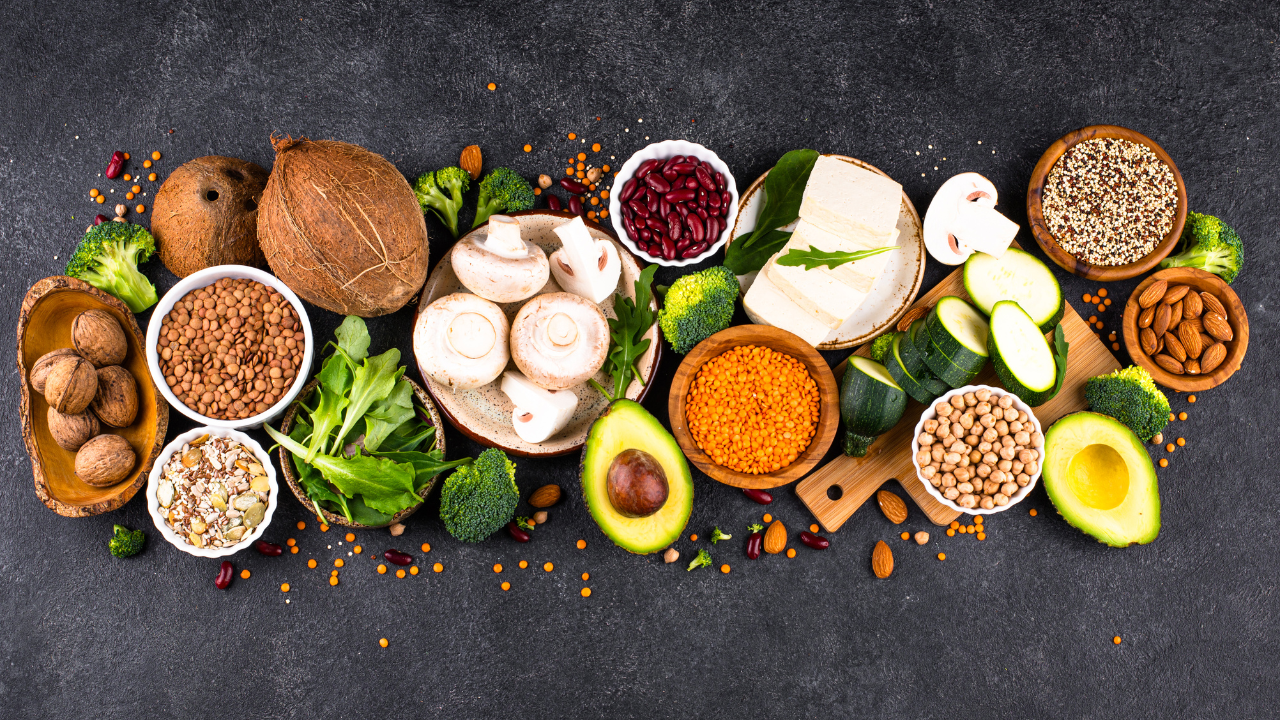
Protein has become one of the most talked-about nutrients today. From gym-goers to working professionals, parents, and seniors—everyone is looking for ways to increase protein.
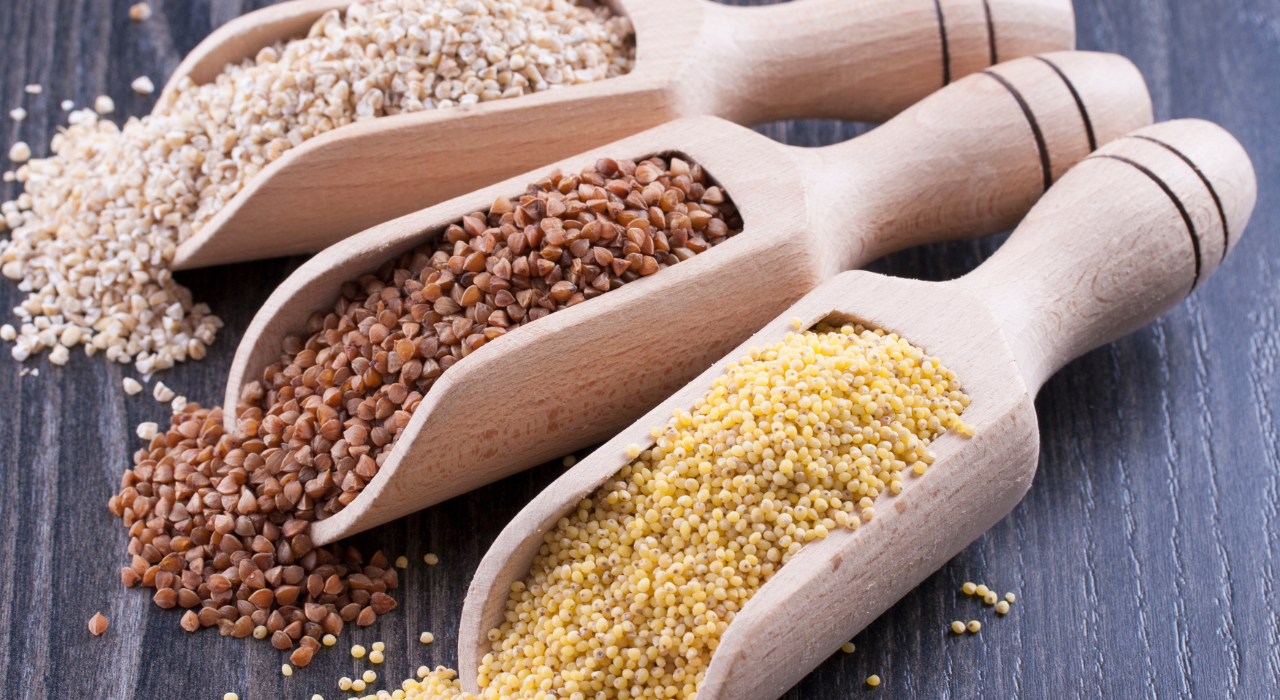
Strong bones are built over a lifetime—not just in old age. From childhood growth spurts to pregnancy, menopause, and ageing, bone health requires continuous nutritional.

Toddlers are curious eaters—but also the most vulnerable when it comes to nutrition. At this stage, food choices directly influence growth, digestion, immunity, and taste.

Walk into any supermarket today and you’ll find shelves filled with snacks claiming to be “healthy,” “natural,” “high-protein,” or “low-fat.” But turn the pack around.
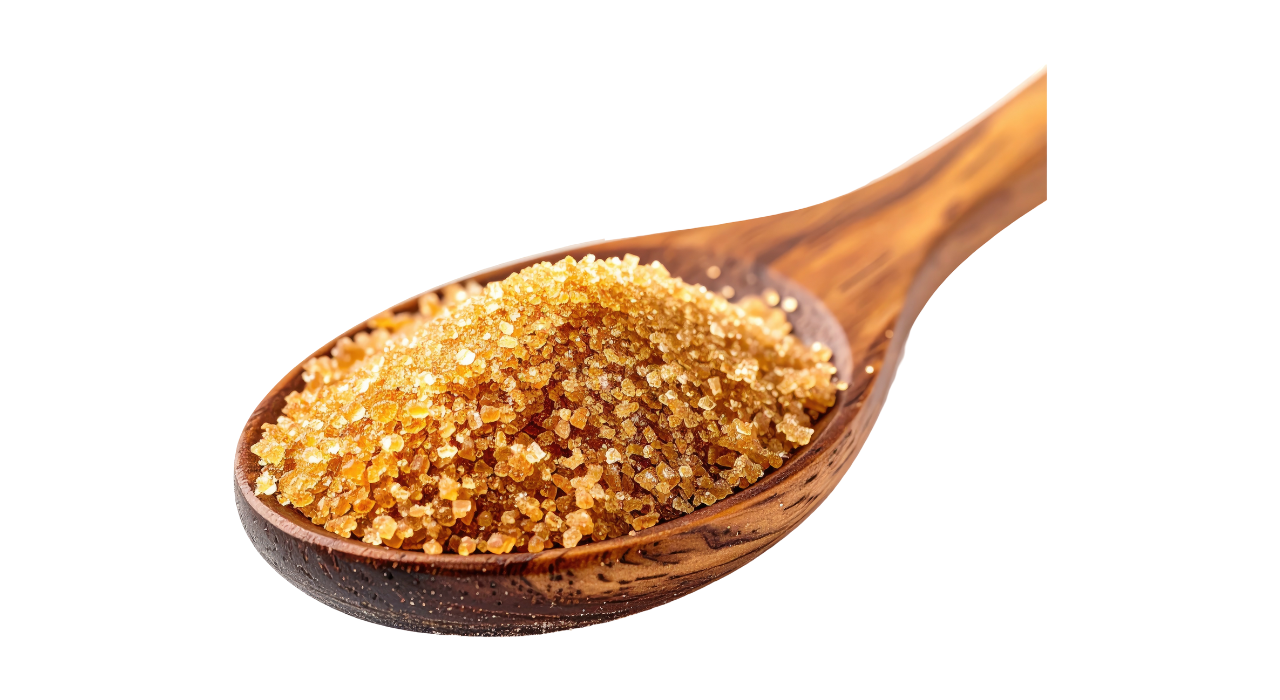
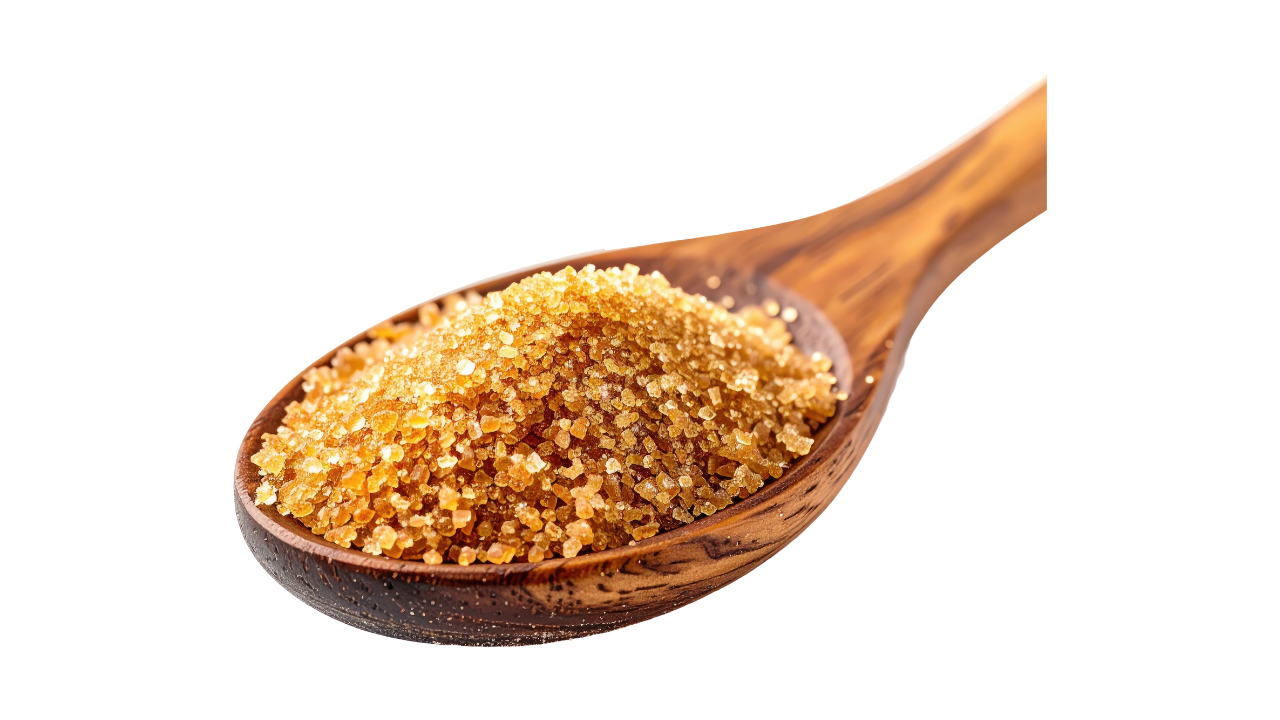
Sugar is everywhere—hidden in snacks, drinks, and even foods marketed as “healthy.” But not all sweetness is equal. Traditional sweeteners like jaggery have nourished Indian.

Many people eat “healthy” yet struggle with fatigue, cravings, and weight gain. The missing piece is often glycemic index (GI)—a concept that explains how foods.
Parents today are deeply concerned about their child’s ability to focus. Teachers mention short attention spans, homework takes longer than expected, and children seem restless.
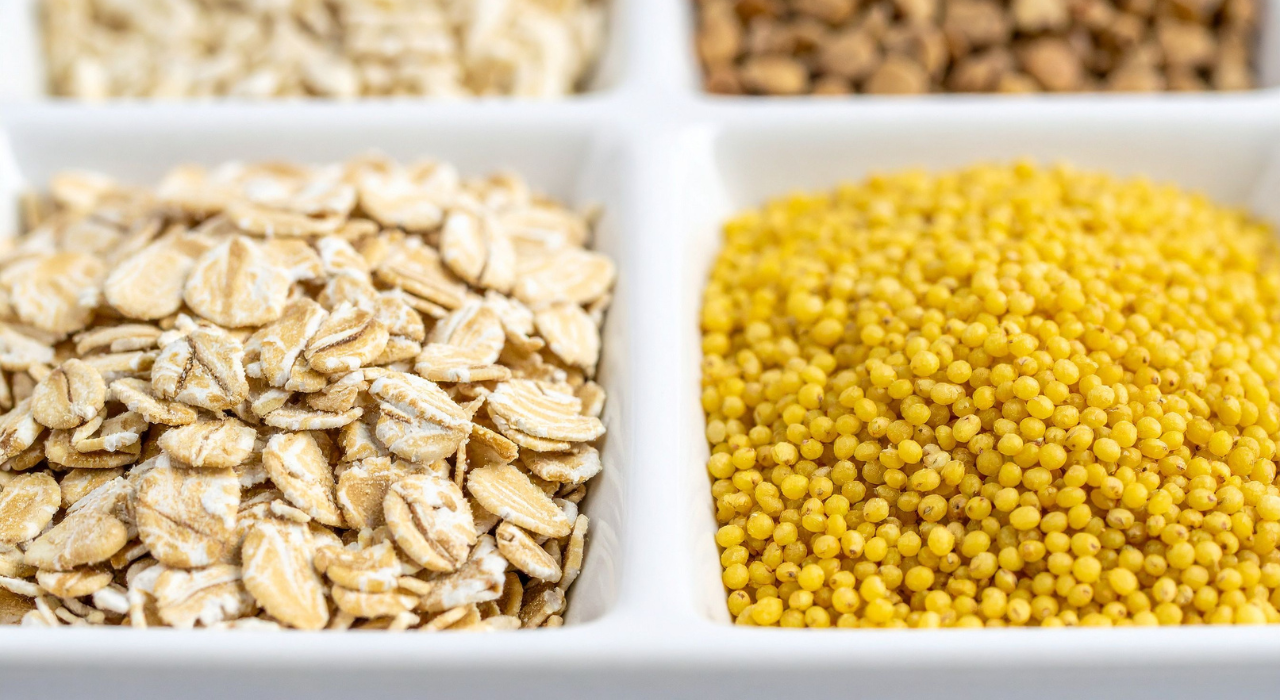
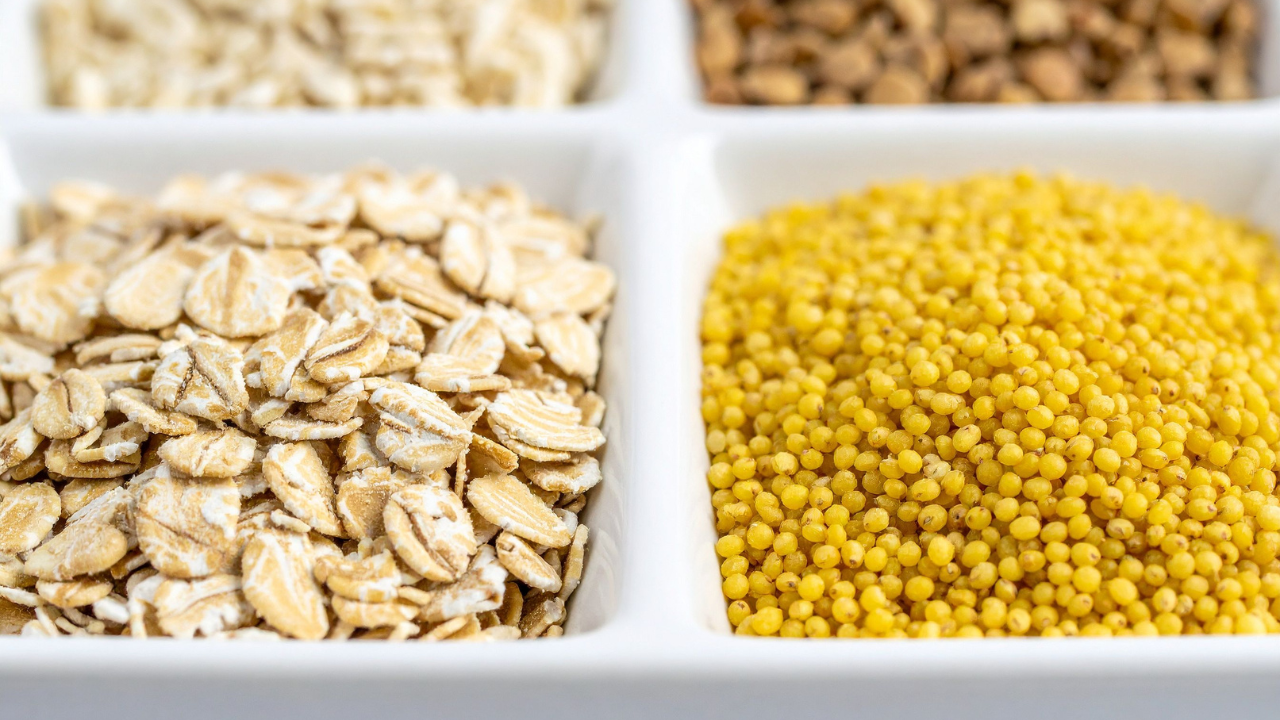
Oats have long been celebrated as a “healthy grain,” but in recent years, millets have made a powerful comeback. This has sparked a common question:.



Modern professionals wear many hats—employee, parent, caregiver, learner. In this juggling act, breakfast often becomes an afterthought. But skipping breakfast or grabbing sugar-heavy options is.