
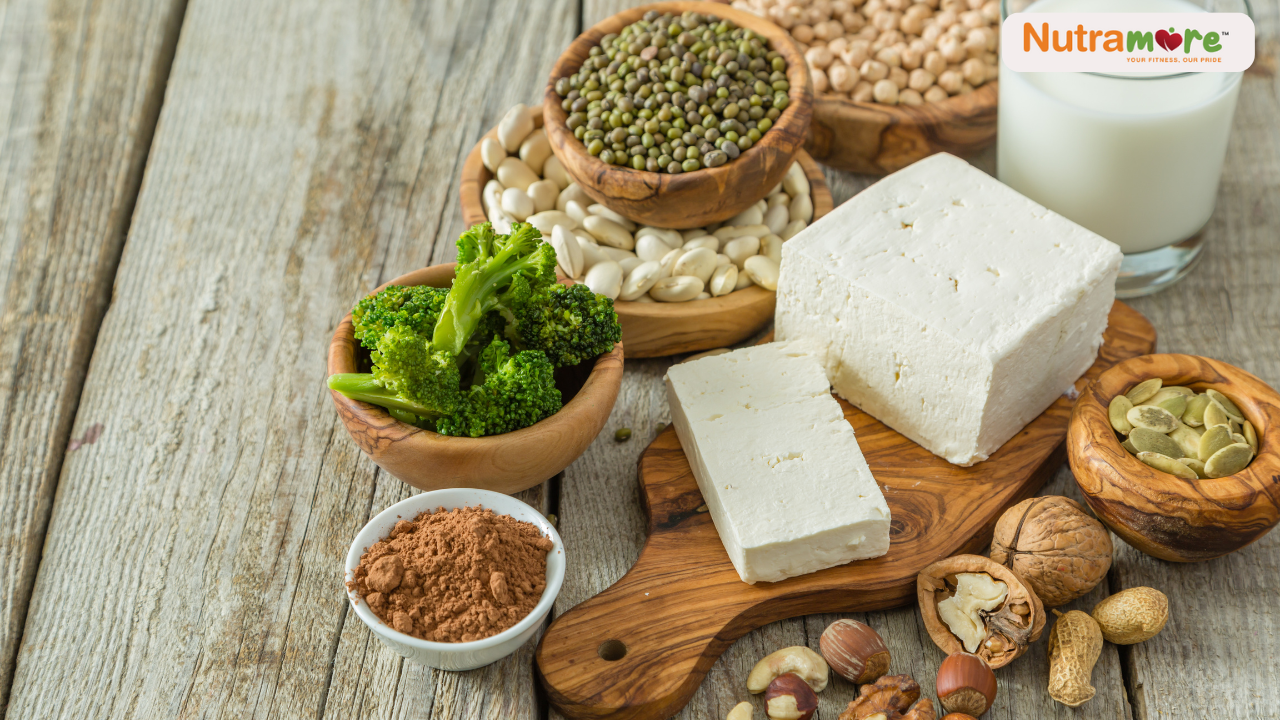
Protein — it’s one of the most talked-about nutrients in health and fitness circles, yet it’s also one of the most misunderstood.
While we often associate protein with bodybuilders or athletes, the truth is every person, at every age, needs protein daily for muscle repair, immunity, hormones, and even brain function.
Still, most people in India don’t get enough. Studies show that over 70% of Indians have inadequate protein intake, often because we prioritize carbs over balanced meals.
This blog breaks down exactly how much protein you need by age and gender, how to get it from real food (not just powders), and how to include convenient sources like millets and pulses in your daily routine.
Why Protein Matters More Than You Think
Every cell in your body depends on protein. It’s a building block for:
- Muscles – for strength and tone
- Enzymes & hormones – that regulate metabolism
- Skin, hair, and nails – for repair and growth
- Immunity – antibodies are proteins that fight infection
- Brain health – amino acids help produce neurotransmitters like serotonin and dopamine
Without enough protein, you might experience:
- Low energy and fatigue
- Muscle loss or weakness
- Hair fall and brittle nails
- Poor concentration
- Slow recovery from illness or workouts
Protein isn’t optional — it’s essential.
How Much Protein Do You Actually Need?
Protein needs depend on age, gender, and activity level.
Here’s a simplified breakdown based on the Indian Council of Medical Research (ICMR) and WHO recommendations:
| Age Group | Protein Requirement (g/day) | Key Focus |
| Children (4–9 yrs) | 19–24 g | Growth & immunity |
| Teens (10–18 yrs) | 34–50 g | Rapid growth, hormonal changes |
| Adult Women (19–50 yrs) | 46 g | Hormonal balance, metabolism |
| Adult Men (19–50 yrs) | 56 g | Muscle repair, energy |
| Pregnant Women | 70+ g | Fetal development |
| Elderly (60+ yrs) | 55–60 g | Muscle preservation, recovery |
If you exercise regularly, your needs may be 1.2–1.6 g protein per kg of body weight.
Why Most Diets Fall Short
In Indian diets, carbs dominate every meal — rice, chapati, poha, dosa. While these provide energy, they lack adequate protein.
Many people assume they’re getting enough protein from dal or vegetables, but portion sizes are often too small.
Common causes of protein deficiency:
- Skipping breakfast
- Overreliance on processed foods
- Vegetarian diets without variety
- Lack of awareness about plant-based protein sources
This imbalance leads to fatigue, slower metabolism, and weaker immunity — even in people who appear healthy.
Plant-Based Protein Powerhouses
You don’t need meat to meet your protein goals. Nature provides plenty of high-protein vegetarian foods, many of which are part of India’s traditional diet:
Millets (Ragi, Jowar, Bajra):
Each serving provides 7–11g of protein plus fiber, iron, and calcium. Unlike maida, millets digest slowly, giving sustained energy.
Pulses & Legumes:
Moong dal, chana dal, rajma, and lentils are complete plant-based proteins rich in fiber and folate.
Nuts & Seeds:
Almonds, pumpkin seeds, flaxseed, and chia seeds add protein + healthy fats.
Dairy:
Paneer, curd, and milk are excellent vegetarian protein sources.
Nutramore’s Green Gram Upma Premix and Jowar Chilla Mix combine millets and pulses, creating balanced, high-protein meals ready in minutes.
How to Include Protein in Every Meal
To stay energized throughout the day, aim to include a source of protein in each meal.
Breakfast:
- Nutramore Green Gram Upma Mix (12g protein per serving)
- Boiled eggs or paneer toast
- Smoothie with Greek yogurt and seeds
Lunch:
- Millet khichdi with moong dal and vegetables
- Jowar roti + sabzi + curd
- Rajma or chole with brown rice
Snacks:
- Ragi or Jowar Cookies (Nutramore) — perfect blend of fiber and protein
- Roasted chana or mixed nuts
- Sprouted moong salad
Dinner:
- Vegetable stir-fry with tofu or paneer
- Lentil soup with millet crackers
- Moong dal cheela with chutney
These combinations ensure steady energy, better focus, and reduced sugar cravings.
Signs You Might Need More Protein
Not sure if you’re getting enough? Watch out for these signs:
- Constant fatigue
- Sugar cravings
- Slow recovery after workouts
- Loss of muscle tone
- Weak nails or hair fall
If these sound familiar, it’s time to reassess your daily intake and add more high-quality protein sources.
The Role of Protein in Weight Management
Protein plays a powerful role in metabolism:
- Increases satiety (keeps you full longer)
- Reduces cravings for sweets or junk
- Preserves lean muscle while burning fat
Adding even 15–20g of protein per meal can help reduce overall calorie intake naturally.
That’s why protein-rich millets and pulses are cornerstones of Nutramore’s product range — they help you eat smarter, not less.
How Age and Gender Affect Protein Needs
Children:
Protein supports growth, immunity, and cognitive development. Include millets, pulses, eggs, or milk daily.
Teenagers:
Rapid growth and hormonal changes increase protein demand. Snacks like Nutramore Millet Cookies provide quick, healthy options for school or study breaks.
Adult Women:
Protein helps manage hormonal balance, supports hair and skin, and reduces fatigue — especially important during menstruation or pregnancy.
Adult Men:
Protein maintains muscle mass and supports stamina for demanding workdays or workouts.
Elderly:
As muscle loss accelerates with age, seniors need more high-quality protein for strength and recovery — soups, upma, and soft millet dishes are ideal.
Convenient Ways to Boost Protein
You don’t need complicated diets or expensive powders. Just make smart substitutions:
| Instead of... | Try... |
| White bread toast | Nutramore Jowar Chilla Wrap |
| Sugary cookies | Ragi Millet Cookies |
| Fried snacks | Roasted chana or seeds |
| Instant noodles | Green Gram Upma Premix |
| Creamy desserts | Greek yogurt with millet granola |
Small daily swaps can dramatically improve your nutrient balance.
Frequently Asked Questions
1. Do vegetarians get enough protein?
Yes — with variety. Combining millets, pulses, nuts, and dairy ensures all essential amino acids.
2. Is too much protein harmful?
Excess from natural foods is rarely harmful. The key is balance — 15–20% of daily calories from protein is ideal.
3. What’s better: animal or plant protein?
Both work. Plant protein is lighter, sustainable, and ideal for daily use — especially when combined smartly.
4. Do I need supplements?
Only if you struggle to meet needs through food. For most people, natural sources like Nutramore’s products are sufficient.
The Nutramore Advantage: Protein Made Simple
Nutramore bridges the gap between traditional nutrition and modern lifestyles. Our millet-based products combine protein, fiber, and natural ingredients — ready in minutes, no compromise.
High-protein options:
- Green Gram Upma Mix: Made from moong dal and jowar for lasting energy.
- Jowar Chilla Mix: Savory, filling, and rich in plant protein.
- Ragi Millet Cookies: A wholesome snack that fuels and satisfies.
Each product is free from maida, refined sugar, and preservatives — giving you clean, complete nutrition.
Take Control of Your Health — One Meal at a Time
Protein isn’t just for gym-goers — it’s for anyone who wants more energy, focus, and long-term wellness.
By including simple, protein-rich foods like millets, pulses, and nuts in your routine, you can dramatically improve your metabolism, immunity, and strength.
Start small: swap your regular breakfast with a Nutramore Green Gram Upma Mix or reach for a Ragi Cookie instead of sugary snacks.
It’s not about eating more — it’s about eating right.
With Nutramore, you get the perfect blend of taste, nutrition, and convenience in every bite.
