
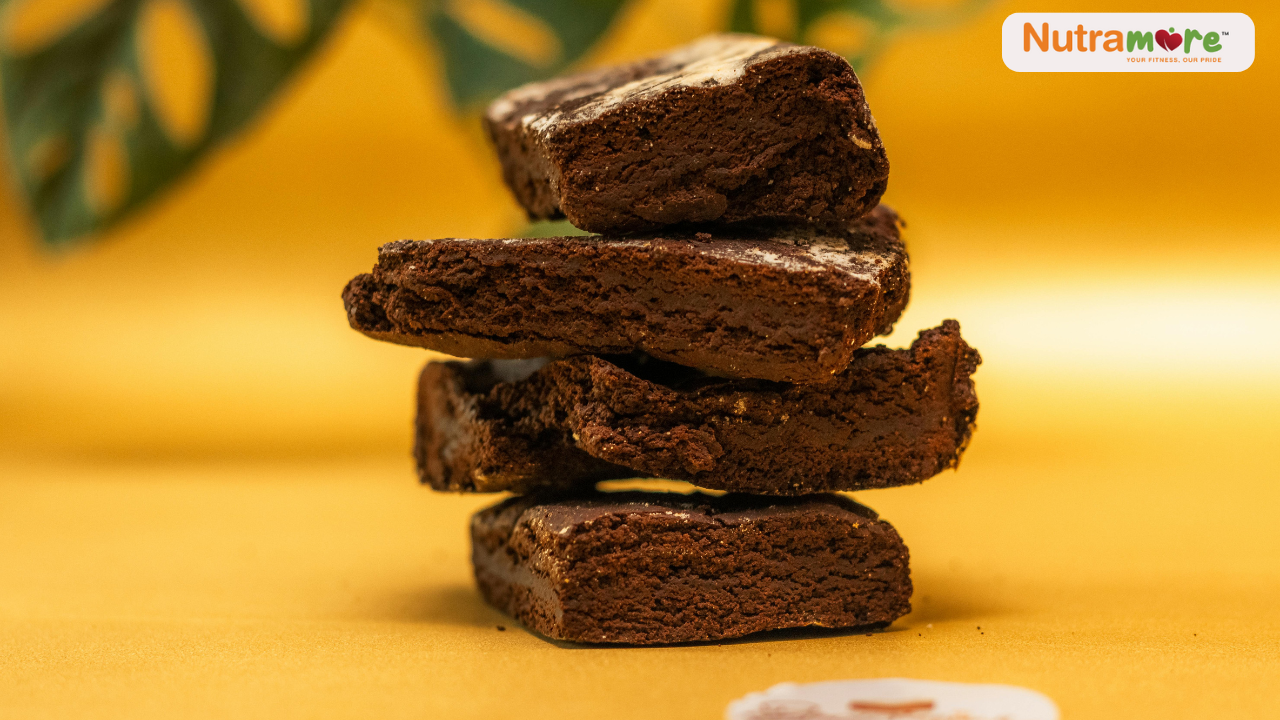
When it comes to managing energy, mood, and long-term health, few concepts are as important — yet as misunderstood — as the Glycemic Index (GI). Whether you’re a busy professional, a parent, or someone watching your sugar intake, understanding GI can completely change how you eat, snack, and feel throughout the day.
We often hear terms like “low-carb,” “sugar-free,” or “healthy snack”, but not all “healthy” options are created equal. Some snacks may seem harmless — a granola bar or a “diet cookie” — yet can cause your blood sugar to spike like a dessert. That’s where GI comes in.
This guide breaks down what the glycemic index really means, how it affects your body, and why low-GI snacks like millet cookies could be the key to better energy, focus, and health.
What Exactly Is the Glycemic Index?
The Glycemic Index is a scale (0 to 100) that measures how quickly a food raises your blood sugar after eating.
- High-GI foods (70 and above) — cause a rapid spike in blood sugar, followed by a crash.
- Medium-GI foods (56–69) — moderately affect sugar levels.
- Low-GI foods (55 or below) — release glucose slowly and steadily into the bloodstream.
When you eat a high-GI snack like white bread or refined cookies, your blood sugar rises sharply, giving you a quick burst of energy — but it’s short-lived. Soon after, it crashes, leaving you hungry, tired, and craving more sugar.
Low-GI snacks, on the other hand, act like slow-burning fuel — they release energy gradually, keeping you full, focused, and stable throughout the day.
Why Does the Glycemic Index Matter?
Our blood sugar levels play a crucial role in energy, mood, and even brain function. Constant sugar spikes can cause fatigue, irritability, and eventually, insulin resistance — a stepping stone to type 2 diabetes.
When you consistently eat low-GI foods, your body benefits in multiple ways:
1. Stable Energy Levels
Low-GI snacks provide sustained fuel for your body and brain. Instead of sugar highs and crashes, you get steady energy — perfect for long work hours or workouts.
2. Improved Focus and Productivity
Fluctuating blood sugar impacts concentration. A steady glucose supply helps you stay alert and perform better throughout the day.
3. Weight Management
Low-GI foods curb cravings and reduce overeating. You stay full longer, helping you maintain or lose weight naturally.
4. Better Heart and Metabolic Health
A low-GI diet supports balanced insulin response, reducing the risk of diabetes, hypertension, and cholesterol buildup.
5. Mood Regulation
Ever felt cranky when hungry? That’s your blood sugar crashing. Low-GI snacks prevent those mood swings by maintaining steady glucose levels.
Common High-GI Snacks to Avoid
Some snacks marketed as “healthy” actually have very high GI values due to refined ingredients and hidden sugars. Watch out for:
- White bread sandwiches
- Potato chips and fries
- Instant noodles
- Sweetened breakfast cereals
- Regular cookies and biscuits
- Processed snack bars and “energy” drinks
These may satisfy temporarily but often lead to energy crashes, cravings, and weight gain.
Smart Low-GI Snack Swaps
Making a few strategic swaps can help you maintain balance without giving up taste:
| Instead of... | Try... |
| White bread or biscuits | Millet cookies (Ragi or Jowar) |
| Instant noodles | Millet-based upma or poha |
| Sugary energy bars | Nuts + fruit or Nutramore Millet Cookie |
| Chips | Roasted makhana or chana |
| Sweetened yogurt | Plain yogurt with seeds and honey |
Why Millets Are Naturally Low-GI
Millets like ragi, jowar, and bajra have a low glycemic index (30–50). They digest slowly, releasing glucose gradually. That’s why millet-based cookies, chillas, and premixes offer steady energy instead of spikes.
Nutramore’s Healthy Millet Cookies, made with whole millets and jaggery instead of refined flour and sugar, are an excellent example of a low-GI snack done right.
The Science Behind Blood Sugar Control
When you eat carbohydrates, your body breaks them down into glucose, which fuels your cells. Insulin, a hormone, helps move glucose into cells.
With high-GI foods, the process happens too fast — blood sugar shoots up, insulin spikes, and you soon feel a crash. Over time, these spikes can make your body resistant to insulin, leading to diabetes.
Low-GI foods slow this process down. They help your body:
- Regulate insulin release
- Maintain steady glucose
- Prevent sudden hunger pangs
- Support fat metabolism
That’s why doctors and nutritionists recommend low-GI diets for people managing diabetes, weight, or even fatigue issues.
Glycemic Index vs. Glycemic Load
It’s also important to understand Glycemic Load (GL) — it measures how much carbohydrate a serving of food actually contains.
For example:
- Watermelon has a high GI, but low GL (because it has little carbohydrate per serving).
- A large cookie made with refined flour has both high GI and high GL — a double impact on your blood sugar.
So, always consider both GI and portion size when planning snacks.
Building a Low-GI Snack Routine
Here’s how to make low-GI eating easy and sustainable:
Morning
Start with a high-fiber breakfast — Jowar Chilla, Green Gram Upma, or millet porridge. These stabilize blood sugar for the day.
Midday
Snack on a Nutramore Ragi Cookie or handful of roasted nuts. Avoid sugary tea-time treats.
Afternoon
Pair fruit with protein — an apple with peanut butter or banana with almonds.
Evening
Keep dinner light: moong dal, brown rice, or millet khichdi. End the day with a herbal tea instead of dessert.
Frequently Asked Questions
1. Are all sugars high-GI?
Not exactly. Natural sugars like those in fruits have fiber, which slows absorption. Refined sugar and corn syrup are high-GI and should be minimized.
2. Can low-GI snacks help with weight loss?
Yes. Low-GI foods improve satiety and reduce cravings, helping you eat fewer empty calories.
3. Are millet cookies really low-GI?
Yes — because they’re made from whole millets and natural sweeteners like jaggery, they digest slowly, offering steady energy.
4. Should diabetics only eat low-GI foods?
Low-GI foods are beneficial, but overall balance matters. Include protein, fiber, and healthy fats at every meal for best results.
The Nutramore Advantage: Low-GI Snacking Simplified
At Nutramore, we believe healthy food should also be delicious. That’s why our Millet Cookies and Breakfast Premixes are made using:
- Whole millets (ragi, jowar, bajra) for slow energy release
- Natural sweeteners like jaggery instead of refined sugar
- Zero maida, zero preservatives
Each bite supports steady energy, better focus, and long-term metabolic health — perfect for professionals, parents, or diabetics.
Popular Low-GI Choices from Nutramore:
- Ragi Millet Cookies — naturally sweet, high in calcium and fiber
- Jowar Chilla Mix — ideal for breakfast or snacks
- Green Gram Upma Mix — plant-protein powerhouse for steady fuel
Take Control of Your Blood Sugar, Naturally
You don’t have to give up snacks to stay healthy — just choose the right kind. Low-GI snacks made from whole grains, millets, and natural ingredients can help you maintain energy, balance cravings, and protect your health long-term.
Start small: replace one processed snack with a Nutramore Millet Cookie today. Within days, you’ll feel more energetic, less hungry, and more in control.
Healthy blood sugar. Steady energy. Smarter snacking — that’s the power of low-GI living.
