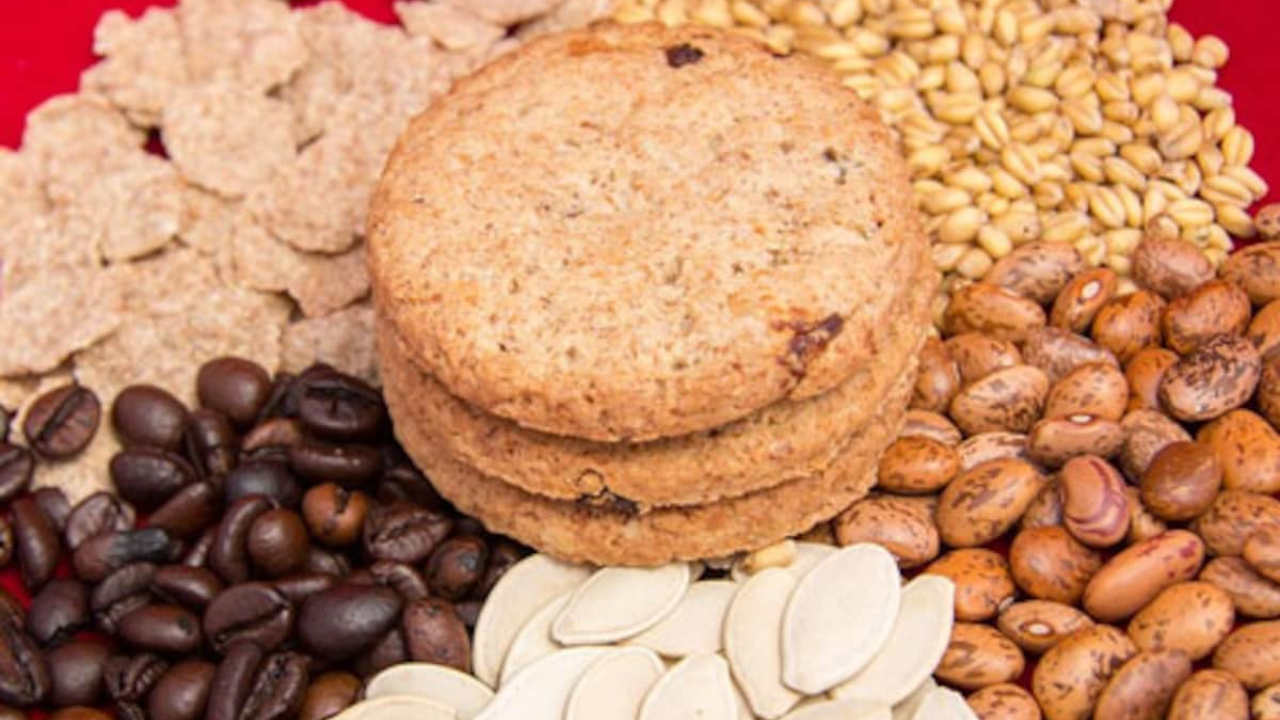
The pattern is frustratingly familiar. You eat a biscuit at 3pm — or two, or three — and by 4pm you are hungry again. Not slightly peckish. Genuinely hungry, reaching for something else, wondering why a snack that felt substantial in the moment has left no lasting impression on your appetite whatsoever.
The answer is almost always the same: the snack had no meaningful protein.
Indian snacking culture, for all its extraordinary culinary richness and regional variety, has a consistent nutritional blind spot. The overwhelming majority of popular Indian snacks — biscuits, namkeen, chakli, mathri, murmura, sev — are carbohydrate-dominant foods. They deliver energy rapidly and briefly, trigger blood sugar responses that produce ghrelin rebounds within an hour, and contribute almost nothing to the sustained satiety that comes from protein.
This is not a cultural failing. Traditional Indian snacking included a far wider range of protein-containing foods — roasted chana, chaat made with whole pulses, sattu preparations, til laddoos, peanut chikki, moong dal vadas. The protein was there. It has been progressively displaced by the refined, carbohydrate-heavy convenience snacks that industrial food production found cheaper and more shelf-stable to produce.
Reclaiming protein in Indian snacking is not about importing foreign food concepts. It is about returning to the nutritional intelligence of Indian culinary tradition — millets, pulses, nuts, and seeds — in forms that fit a modern lifestyle.
This blog explains the science of protein-driven satiety in detail, identifies the best protein sources available in the Indian snacking context, and gives you a practical, specific guide to the snacks that will genuinely keep you full.
Why Protein Keeps You Full: The Four Mechanisms
Before getting into specific foods and snacks, it is worth understanding precisely why protein produces satiety that carbohydrates and fats cannot match — because the mechanisms are specific, well-documented, and directly applicable to snack selection.
Mechanism 1: Protein Suppresses Ghrelin Most Powerfully
Ghrelin is the primary hunger hormone — produced in the stomach and signalling the hypothalamus to initiate eating behaviour. It rises before meals, peaks at the moment of expected eating, and falls after eating in proportion to the satiety signals the meal generates.
In head-to-head comparisons of macronutrient effects on ghrelin suppression — holding total calories constant and varying the proportion of protein, fat, and carbohydrate — protein consistently produces the greatest and most sustained ghrelin suppression of any macronutrient. A protein-rich snack reduces ghrelin for 2–3 hours after eating. A carbohydrate-only snack of equivalent caloric value may reduce ghrelin for 30–60 minutes before the post-spike crash drives it back up to — or above — pre-meal levels.
This is the precise mechanism behind the experience of being "hungry again in an hour" after a carbohydrate snack: ghrelin was briefly suppressed by the blood glucose rise, then rebounded when blood glucose fell. Protein suppresses ghrelin through a different, more sustained pathway that does not depend on blood glucose maintenance — which is why protein-rich snacks keep hunger away for genuinely longer periods.
Mechanism 2: Protein Stimulates GLP-1 and PYY — The Long-Duration Satiety Hormones
Beyond ghrelin suppression, protein directly stimulates the release of two powerful satiety hormones from the gut: GLP-1 (glucagon-like peptide-1) and PYY (peptide YY). Both signal the hypothalamus to reduce appetite, slow gastric emptying, and create the feeling of comfortable fullness that persists between meals.
GLP-1 is the hormone targeted by the most powerful class of weight loss medications currently available — because its appetite-suppressing effects are clinically significant. Protein consumption stimulates GLP-1 release more powerfully than either fat or carbohydrate. A protein-rich snack activates the same pathway that makes these medications effective — through food rather than pharmaceutical intervention.
PYY specifically suppresses ghrelin — adding a second layer of hunger hormone management on top of protein's direct ghrelin suppression. The combined effect of GLP-1 and PYY stimulation from a protein-rich snack produces a sustained appetite suppression that carbohydrate snacks, which stimulate neither hormone meaningfully, cannot achieve.
Mechanism 3: The Thermic Effect — Protein Burns More Calories Being Digested
Protein has a thermic effect of food (TEF) of 20–30% — meaning the body burns 20–30 calories for every 100 calories of protein consumed, just in the process of digesting and metabolising it. Carbohydrates have a TEF of 5–10% and fat has a TEF of 0–3%.
This means a 200-calorie protein-rich snack effectively contributes only 140–160 net calories — while simultaneously producing greater satiety than a 200-calorie carbohydrate snack that contributes 180–190 net calories. The protein snack costs more metabolically to process, produces greater satiety, and makes a smaller net caloric contribution — a trifecta of metabolic advantage over carbohydrate equivalents.
Mechanism 4: Protein Stabilises Blood Sugar and Prevents the Crash-Craving Cycle
Protein does not raise blood glucose. This single property has profound consequences for satiety duration. When a snack contains only carbohydrate, satiety is produced by the blood glucose rise — and lasts only as long as blood glucose stays elevated. When blood glucose falls, hunger returns. This is the crash-craving cycle that makes carbohydrate snacking so unsatisfying.
When a snack contains meaningful protein alongside carbohydrate, the protein slows gastric emptying — the rate at which food leaves the stomach and enters the small intestine. This slowing flattens the glucose curve, producing a more gradual rise and a gentler, more prolonged decline. The fall into reactive hypoglycaemia that triggers ghrelin and cortisol is prevented. Satiety is maintained not by sustained glucose elevation but by the direct hormonal effects of protein — effects that persist after blood glucose has returned to baseline.
This is why a jowar chilla — with 30g of protein from the pulse combination in the mix — keeps you genuinely full for 3–4 hours, while a plain wheat roti of comparable caloric value may produce hunger within 90 minutes.
The Protein Gap in Modern Indian Snacking
The Indian Council of Medical Research recommends 0.8–1.0g of protein per kilogram of body weight per day for adults — higher for active individuals, pregnant women, and the elderly. For a 60kg adult, this means 48–60g of protein daily.
Most Indian main meals — dal, sabzi, roti — contribute some protein. But snacks, which represent two to three eating occasions per day, typically contribute almost none.
A standard tea-time snack of two to three maida biscuits delivers approximately 2–3g of protein — a negligible amount that makes essentially no contribution to satiety or daily protein adequacy. A packet of popular namkeen delivers 2–4g. A plain rusk delivers under 2g. These are numbers so low that they register as trace amounts rather than meaningful nutritional contributions.
The cumulative consequence of two or three low-protein snack occasions per day across a year is significant — both in terms of chronic protein inadequacy that gradually erodes muscle mass and metabolic rate, and in terms of the persistent hunger and caloric overconsumption that carbohydrate-only snacking produces at main meals through the ghrelin rebound effect.
Replacing these low-protein snacks with options that deliver 10–20g of protein per occasion does not require abandoning Indian flavour profiles or switching to protein powders. It requires returning to the pulse, millet, nut, and seed-based snacking tradition that Indian cuisine has always had — in forms that are practical for modern life.
The Best Indian Protein Sources for Snacking
Understanding which Indian ingredients deliver the best protein for snacking purposes — in terms of quantity, quality, digestibility, and practical format — allows targeted snack selection rather than guesswork.
Pulses: The Foundation of Indian Protein Snacking
Pulses — dal, moong, chana, rajma, green gram, urad — are the richest plant-based protein sources available in Indian cuisine, and they are among the best protein sources for snacking anywhere in the food world.
Green gram (whole moong) contains approximately 24g of protein per 100g dry weight — and uniquely among common Indian pulses, it is one of the most easily digestible. Moong's protein digestibility-corrected amino acid score (PDCAAS) is higher than most other pulses, and its trypsin inhibitor content — which can reduce protein absorption in some legumes — is lower than in harder pulses like rajma or chana. For snacking, where digestive comfort matters, moong is the ideal pulse base.
Chana dal (split chickpea) delivers approximately 22g of protein per 100g, with a slow-digesting protein fraction that sustains satiety particularly well. The resistant starch in chana adds the fiber dimension to the protein satiety effect, making chana-based snacks among the most filling per calorie of any common Indian ingredient.
Urad dal (black gram) provides approximately 25g of protein per 100g and is particularly rich in methionine — the essential amino acid that pulses typically lack — making it a stronger standalone protein source than most other dals.
Moong dal sprouts are worth particular mention for snacking: sprouting increases the bioavailability of protein by partially pre-digesting the protein's outer coating, reduces antinutrients like phytic acid that inhibit absorption, and generates vitamin C that enhances the absorption of the iron that accompanies the protein. Sprouted moong as a snack base — in chaat, in upma, or eaten simply with spice — is among the most nutritionally complete snack preparations in Indian cuisine.
Millets: Protein Plus Fiber Plus Minerals
Millets are not as protein-dense as pulses, but they provide meaningful protein alongside the fiber, low GI carbohydrates, and minerals that make them an ideal partner for pulse protein in the complementary combination discussed in previous blogs.
Jowar (sorghum) contains approximately 11g of protein per 100g — higher than wheat — with a protein quality that improves significantly when combined with pulse protein into a complete amino acid profile. Jowar's protein is also more slowly digested than wheat protein, contributing to the sustained satiety effect of jowar-based snacks.
Bajra (pearl millet) provides approximately 11–12g of protein per 100g, alongside the highest magnesium content of common Indian millets — a mineral that directly supports insulin sensitivity and the metabolic backdrop against which protein's satiety effects are most pronounced.
Ragi (finger millet) contains approximately 7–8g of protein per 100g — lower than jowar and bajra — but is uniquely valuable for the calcium (344mg per 100g) and polyphenols that accompany its protein content. For satiety, ragi's protein is most effective when paired with a higher-protein pulse component.
Nuts and Seeds: Protein, Healthy Fat, and Extended Satiety
Nuts and seeds contribute protein alongside healthy fats that extend satiety through a different mechanism from protein alone — by slowing gastric emptying and triggering cholecystokinin (CCK) release, another satiety hormone.
Almonds provide approximately 21g of protein per 100g alongside the magnesium, vitamin E, and monounsaturated fats that make them one of the most nutritionally comprehensive snack ingredients available. Research specifically on almond consumption as a snack has documented reduced hunger at subsequent meals and improved blood lipid profiles with regular consumption.
Pistachios deliver approximately 20g of protein per 100g with the additional advantage of being shell-on when consumed whole — research has shown that the act of shelling pistachios slows eating rate and creates visual cues of consumption that both reduce portion size and increase perceived satisfaction.
Peanuts (groundnuts) are the most accessible and affordable high-protein nut in India, at approximately 26g of protein per 100g — higher than almonds and comparable to many pulses. Roasted groundnuts are one of India's oldest and most nutritionally sound traditional snacks.
The Best Protein-Rich Indian Snacks — Traditional and Modern
Traditional Protein Snacks Worth Reviving
Sattu (roasted gram flour) preparations. Sattu — made from roasted chana or a multi-grain blend — is one of the most protein-dense traditional Indian food preparations, delivering 20–25g of protein per 100g. Sattu sharbat (sattu with water, lemon, and spices), sattu paratha filling, and sattu mixed into a paste with jaggery are Bihar and UP traditional preparations that provide extraordinary protein density in deeply satisfying formats. Sattu is experiencing a deserved revival as urban Indians rediscover its nutritional value.
Roasted chana (bhuna chana). A handful of roasted whole chana — approximately 30g — delivers around 8–9g of protein, 6g of fiber, and a satisfying crunch that makes it one of the most complete ready-to-eat snacks in Indian food tradition. The combination of slow-digesting protein, resistant starch, and fiber produces a satiety effect that persists for 2–3 hours — making roasted chana, despite its simplicity, one of the best functional snacks available.
Peanut chikki (groundnut brittle with jaggery). Traditional peanut chikki combines groundnuts' protein with jaggery's minerals in a calorie-dense, protein-rich format that has sustained agricultural workers through long working days for generations. Made with natural jaggery rather than refined sugar, it delivers approximately 8–10g of protein per 30g serving alongside iron, potassium, and the magnesium from peanuts.
Moong dal chilla. A fresh moong dal pancake delivers 8–12g of protein per chilla depending on thickness, alongside the prebiotic fiber of whole moong. Made with whole moong batter rather than packaged chilla mix of questionable composition, this is among the most protein-dense traditional Indian breakfast snacks.
Sprout chaat. Mixed sprouts — moong, matki, chana — tossed with onion, tomato, lemon, and spice provide 10–15g of protein per serving with the additional bioavailability advantages of sprouting. No cooking required for already-sprouted beans. Genuinely high protein, high fiber, extremely low glycemic, and deeply satisfying.
Til (sesame) laddoo. Traditional til laddoos made with jaggery deliver approximately 9–10g of protein per 40g serving from sesame's amino acid profile, alongside calcium, zinc, and the healthy fats that extend satiety. The jaggery adds iron and potassium. Sesame's methionine content is particularly valuable in the Indian vegetarian context where methionine from plant sources is often limited.
Modern Protein-Rich Snacks Built on Traditional Foundations
The challenge with many traditional protein snacks is preparation time. Moong chilla requires soaking, grinding, and cooking. Sprout chaat requires sprouting preparation. Sattu preparations are not universally familiar and require some knowledge to prepare well.
Modern formats that maintain the nutritional standard of traditional pulse-and-millet protein snacking — with the convenience that modern life demands — bridge this gap meaningfully.
Nutramore's Baked Protein Sticks deliver 18g of protein per 75g pack from a whole dal blend — a protein density comparable to roasted chana in a format that requires no preparation, travels easily in a bag or briefcase, and provides the savoury, satisfying flavour profile that makes high-protein snacking genuinely enjoyable rather than merely dutiful. The protein is from whole pulse ingredients — not isolated protein added to a refined base — meaning it comes with the fiber, B vitamins, and minerals that make pulse protein metabolically complete.
Nutramore's Green-Gram Upma Premix delivers 32g of complete protein per serving from whole green gram — one of the highest protein snack or breakfast options available in the Indian market in any format. Preparing in under ten minutes, it provides a warm, deeply satisfying meal that combines the full green gram protein profile with the low-glycemic complex carbohydrates and fiber that sustain energy and satiety for 3–4 hours.
Nutramore's Jowar Chilla Mix provides 30g of complete protein per pack from the complementary millet-pulse combination — jowar's methionine complementing the pulse's lysine to create a full amino acid profile — alongside omega-3 fatty acids that extend satiety through the fat-mediated CCK pathway and support the cognitive function that the protein sustains.
Nutramore's Jowar Upma Premix similarly delivers 30g of protein in a warm, comforting upma format that is familiar, quick to prepare, and nutritionally far superior to the semolina (rava) upma it replaces — which typically delivers under 5g of protein per serving.
For snacking occasions that require something ready-to-eat rather than prepared, the Nutramore millet cookie range delivers meaningful protein through the millet-pulse combination that is the structural basis of each formulation.
Bajra Moong Chocolate Cookies combine bajra's millet protein with moong's pulse protein — a complementary pairing that produces a more complete amino acid profile than either ingredient alone, sweetened with jaggery and baked in fresh butter.
Moong Almond Pistachio Cookies layer moong's pulse protein with the nut protein from almonds and pistachios — creating a triple protein source in a single snack that also delivers the healthy fats and magnesium from the nuts that extend satiety through mechanisms complementary to the protein effect.
Multigrain Coffee Cookies provide multigrain protein in a sophisticated flavour profile suited to adult snacking occasions — the coffee depth paired with the subtle sweetness of jaggery creates a genuinely satisfying snack that doubles as an afternoon energy sustainer.
How Much Protein Does a Snack Actually Need?
A practical and commonly asked question: what protein quantity in a snack is sufficient to produce meaningful satiety, and at what point does additional protein provide diminishing returns?
Research on protein and satiety consistently shows that a threshold of approximately 10–15g of protein per snack is where meaningful ghrelin suppression and GLP-1 stimulation become reliably measurable. Below this threshold, the satiety effect is present but modest. Above it, the effect is substantial and reliable — with hunger suppression lasting 2–3 hours in most people.
The practical snack protein targets for different daily protein needs look like this:
Here is a clear breakdown of protein targets by person type, daily need, and the best snack options to meet them:
Sedentary adult (general wellness) — 50–60g/day, 10–15g per snack: Millet cookies paired with a small handful of roasted chana, or Baked Protein Sticks as a standalone savoury snack.
Active adult with regular exercise — 70–90g/day, 15–20g per snack: Green-Gram Upma or Jowar Chilla as the primary snack occasion, with Baked Protein Sticks for the second snack.
Weight management goal — 80–100g/day, 20–25g per snack: Baked Protein Sticks paired with upma, or Jowar Chilla as a substantial post-workout snack that covers muscle protein synthesis needs.
Women managing PCOD or hormonal concerns — 70–90g/day, 15–20g per snack: Moong Almond Pistachio Cookies providing triple-source protein alongside healthy fats for hormonal support, paired with Jowar Chilla for the heavier protein occasion.
Children and teenagers — 40–60g/day, 10–15g per snack: Bajra Moong Chocolate Cookies for lunchbox occasions, Jowar Upma for after-school warmth, and Millet Methi Crispies for the crunch-and-flavour satisfaction that competes with packaged chips.
The Complete Protein Advantage: Why Millet-Pulse Combinations Are Superior
A recurring theme across several Nutramore blogs is the nutritional importance of the millet-pulse combination for complete protein — and it bears repeating in the specific context of satiety because the protein completeness issue directly affects how effectively protein's satiety mechanisms operate.
Protein's satiety effects — ghrelin suppression, GLP-1 and PYY stimulation, thermic effect — depend on the availability of all essential amino acids, because the hormonal responses to protein ingestion are triggered most powerfully by complete protein absorption. An incomplete protein — one missing one or more essential amino acids — is less effective at stimulating these satiety pathways because the body cannot use the available amino acids for full protein synthesis until the missing ones arrive.
Millets are low in lysine. Pulses are low in methionine. Together, they form a complete amino acid profile that stimulates the full satiety response of complete protein consumption.
This is why Green-Gram Upma — which combines a grain base with green gram protein — is more satiating per gram of protein than either ingredient alone would be. And why Bajra Moong Chocolate Cookies produce a more sustained satiety response than a bajra-only or moong-only snack of equivalent protein content.
The millet-pulse combination is not just a cultural tradition. It is a nutritional strategy that produces complete protein — with all the satiety, muscle-supporting, and metabolic benefits that complete protein delivers — from entirely plant-based, entirely affordable, entirely Indian ingredients.
Building a Protein-First Snack Rotation for the Week
The most effective way to ensure consistently adequate snack protein is to plan it rather than improvise it. Here is a practical weekly rotation that delivers meaningful protein at every snack occasion — using a combination of traditional and modern formats, sweet and savoury, quick and slightly prepared:
Monday: Mid-morning — Jowar Chilla with mint chutney (30g protein). Afternoon — Baked Protein Sticks + a small handful of roasted peanuts (20g protein total).
Tuesday: Mid-morning — Green-Gram Upma with lime (32g protein). Afternoon — Moong Almond Pistachio Cookies 3 pieces + a piece of fruit (8g protein).
Wednesday: Mid-morning — Bajra Moong Chocolate Cookies 3 pieces + roasted chana (12g protein total). Afternoon — Millet Methi Crispies + plain curd (10g protein total).
Thursday: Mid-morning — Jowar Upma with vegetables (30g protein). Afternoon — Baked Protein Sticks + almonds (20g protein total).
Friday: Mid-morning — Jowar Chilla with curd (30g protein). Afternoon — Multigrain Coffee Cookies 3 pieces + roasted peanuts (10g protein total).
Saturday: Mid-morning — Sprouted moong chaat with lemon and spice (12g protein). Afternoon — Green-Gram Upma half serving + Baked Protein Sticks (25g protein combined).
Sunday: Mid-morning — Moong Almond Pistachio Cookies + sattu sharbat (15g protein total). Afternoon — Jowar Upma with fresh vegetables stirred in (30g protein).
This rotation delivers between 10g and 32g of protein across two daily snack occasions — contributing 20–50g of daily protein from snacks alone, meaningfully reducing the pressure on main meals to cover the full daily requirement, and consistently preventing the ghrelin-driven hunger and compensatory overeating that low-protein snacking produces.
For families building the snack pantry to support this rotation, the Breakfast Premix Combo combining Green-Gram Upma, Jowar Upma, and Jowar Chilla Mix covers the high-protein prepared snack occasions across the week. The Savoury Snacks Combo covers both savoury ready-to-eat occasions. And the Chocolate Cookies Combo covers the sweet snack occasions with the millet-pulse protein combination across three flavour profiles.
Why Protein Snacking Is Not Just About Feeling Full
A final point that deserves explicit statement: the benefits of protein-rich snacking extend significantly beyond satiety — though satiety alone makes the shift worthwhile.
Muscle mass preservation. Every protein-containing snack contributes amino acids to the muscle protein synthesis pool that maintains — and in conjunction with exercise, builds — lean muscle mass. As discussed in the meal-skipping blog, lean muscle mass is the primary determinant of resting metabolic rate. Protein snacking preserves the metabolic rate that carbohydrate snacking, by failing to provide protein, allows to gradually decline.
Blood sugar stability. Protein consumed alongside carbohydrate slows gastric emptying and flattens the glycemic curve — reducing the insulin response that drives fat storage and improving the metabolic environment for everyone, but especially for people managing pre-diabetes, PCOD, or insulin resistance.
Cognitive function. Protein provides the amino acid precursors for neurotransmitter synthesis — dopamine and serotonin from tyrosine and tryptophan, GABA from glutamate. A protein-rich snack supports afternoon cognitive performance and emotional stability in ways that a carbohydrate-only snack does not.
Immune function. Antibodies are proteins. Every component of the immune response — from the white blood cells that identify pathogens to the cytokines that coordinate the response to the antibodies that neutralise threats — is built from protein. Adequate protein at every eating occasion, including snacks, maintains the continuous availability of amino acids that the immune system requires.
Hormonal health. Hormones are either proteins (insulin, growth hormone, thyroid hormones) or require protein-derived precursors (steroid hormones require cholesterol whose transport is managed by protein carriers; thyroid hormones are made from tyrosine). Adequate protein is the foundation of hormonal balance in a way that no other macronutrient can substitute.
The snack that keeps you full is doing all of these things simultaneously. The snack that does not keep you full — the maida biscuit, the refined namkeen — is doing none of them.
Final Thoughts
Indian cuisine has always had the ingredients for extraordinary protein snacking. Pulses, millets, nuts, seeds — the nutritional foundation of the Indian food tradition is exactly what modern protein science recommends. The displacement of this tradition by refined, protein-free convenience snacks is neither inevitable nor irreversible.
The path back does not require foreign protein sources, expensive supplements, or unfamiliar preparations. It requires returning to what Indian kitchens have always known — that dal-based, millet-based, nut-enriched, seed-scattered snacking is satisfying in a way that refined flour never managed to be, and now we understand precisely why.
Protein suppresses ghrelin. It stimulates GLP-1 and PYY. It burns more calories being digested. It stabilises blood sugar. It preserves muscle. It supports immunity and hormonal health. And it does all of this through snacks that are genuinely delicious, genuinely Indian, and genuinely compatible with a modern, time-pressured life.
The only thing that needs to change is what is in the snack drawer.
Explore Nutramore's full range of protein-rich millet and pulse snacks at nutramore.in/our-products