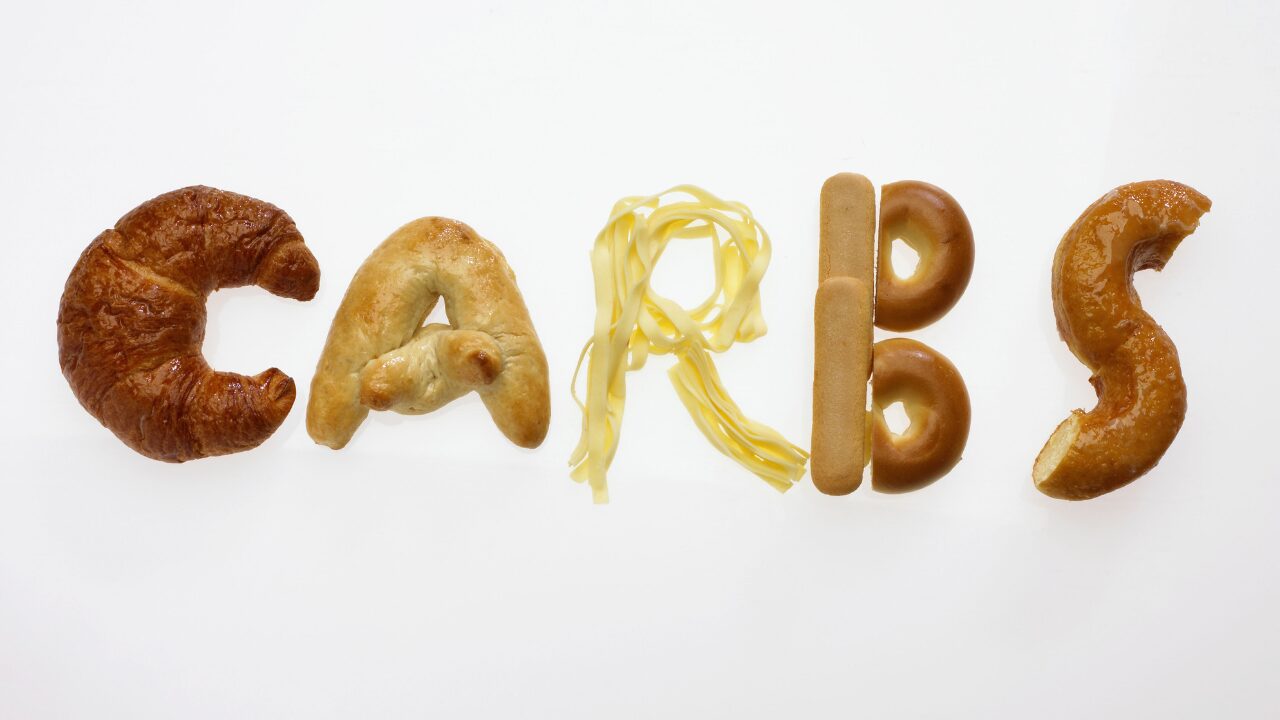
Carbohydrates have had a difficult decade in nutritional public opinion. Low-carb diets, keto protocols, and the general cultural association between carbohydrates and weight gain have produced a widespread belief that carbohydrates are the primary nutritional problem to be solved — and that the solution is to eat as few of them as possible.
This belief is both understandable and significantly incomplete. The evidence that specific carbohydrates — refined wheat flour, refined sugar, white rice in excess — drive insulin resistance, weight gain, and metabolic disease is robust and well-justified. The leap from "refined carbohydrates are harmful" to "carbohydrates are harmful" is, however, a category error with genuine health consequences.
Whole grain carbohydrates — particularly millets and pulses — have been associated in epidemiological research with the exact opposite of the metabolic outcomes associated with refined carbohydrates: lower rates of type 2 diabetes, lower body weight, better gut microbiome composition, lower cardiovascular disease risk, and longer life expectancy. The same macronutrient category. Dramatically different metabolic outcomes. The explanation lies in the structural and nutritional differences between refined and whole grain carbohydrates — and understanding those differences is what allows carbohydrate selection to become a tool for health rather than a source of anxiety.
What Makes a Carbohydrate "Smart"
The distinction between harmful and beneficial carbohydrates is not primarily a matter of quantity — it is a matter of structure, composition, and the metabolic machinery the carbohydrate activates upon digestion.
A smart carbohydrate has several specific characteristics that distinguish it from a problematic one:
It is intact — not refined. The carbohydrate exists within its original food matrix — the bran, germ, protein, fiber, and phytonutrient structure of the whole grain or whole pulse. This matrix is not incidental packaging — it is the structural context that determines how quickly the carbohydrate is digested, how much of it is absorbed, and what signals it generates in the gut and bloodstream.
It is accompanied by fiber. Dietary fiber — particularly the soluble fiber and resistant starch of whole grains and pulses — slows carbohydrate digestion, moderates glucose absorption, stimulates satiety hormones, and feeds the gut microbiome that produces SCFA metabolites with insulin-sensitising effects. Refined carbohydrates are stripped of this fiber — which is precisely why their glycemic profile is so different from their whole grain ancestors.
It has a low-to-moderate glycemic index. The GI reflects the speed of glucose release — and fast release is the problem. A smart carbohydrate releases glucose slowly, producing the stable energy curve that sustains cognitive and physical performance without the spike-crash cycle that drives cravings, fat storage, and insulin resistance.
It carries nutritional passengers. Whole grain carbohydrates come packaged with iron, zinc, magnesium, B vitamins, and polyphenols that refined equivalents have lost. These nutrients support the metabolic processes that determine how well the carbohydrate's energy is utilised — making the whole grain carbohydrate not just less harmful than the refined one, but actively beneficial.
The Glycemic Index and Glycemic Load: The Two Numbers That Matter
Understanding glycemic index (GI) and glycemic load (GL) — and the difference between them — provides the practical foundation for smart carbohydrate selection.
Glycemic Index (GI) measures how quickly a food raises blood glucose compared to pure glucose. GI below 55 is low. 56–69 is medium. 70 and above is high.
Glycemic Load (GL) = (GI × grams of carbohydrate in serving) ÷ 100. GL accounts for both the speed of glucose release and the quantity of carbohydrate in a realistic serving. GL below 10 is low; 11–19 is medium; 20+ is high.
Both numbers matter — but GL is more useful for practical food selection because it captures the real metabolic impact of a realistic portion. Watermelon has a GI of 72 (high) but a GL of approximately 4 (low) because a standard serving contains very little carbohydrate. Bajra has a GI of 54 (low) and, in a typical snack serving of 30g, a GL of approximately 12 (moderate) — meaningful but well below the levels associated with metabolic disruption.
The Smart Carbohydrates in the Indian Food Context
Jowar (GI 55–62): The Anti-Diabetic Grain
As established in Blog 11, jowar's combination of resistant starch and polyphenol enzyme inhibitors produces the lowest effective glycemic response of any commonly consumed Indian grain — lower than its GI alone suggests. Jowar's tannins and anthocyanins directly inhibit amylase and glucosidase, the enzymes that break starch into absorbable glucose. The result is starch digestion that is both slower and less complete than in wheat — producing a flatter, lower glucose curve even from the same total carbohydrate quantity.
For sustained energy specifically — the practical experience of maintaining cognitive and physical capacity through the morning or afternoon without an energy crash — jowar is the most reliably effective single grain available. Its resistant starch provides the SCFA-producing prebiotic substrate that sustains energy at the cellular level through butyrate-mediated mitochondrial support.
Jowar Chilla Mix and Jowar Upma Premix are the most protein-dense jowar formats available — combining jowar's smart carbohydrate profile with the protein that further stabilises the glucose curve and extends satiety.
Bajra (GI 54): The Magnesium-Rich Energy Sustainer
Bajra's beta-glucan content — the soluble fiber responsible for the blood glucose moderating effects well-documented in oats — makes it the most satiating per calorie of common Indian millets. Beta-glucan forms a viscous gel that slows gastric emptying and glucose absorption to produce the flattest glucose curve of any millet, sustaining energy without the spike or crash.
Bajra's magnesium simultaneously supports ATP synthesis in the mitochondria — the cellular energy production process that determines how efficiently the carbohydrate's glucose is converted to usable energy. Magnesium deficiency impairs this conversion, producing fatigue even when blood glucose is adequate. Bajra's magnesium content means that its carbohydrate energy comes with the mineral cofactor that maximises its cellular utilisation.
Bajra Cookies and Bajra Moong Chocolate Cookies provide bajra's smart carbohydrate energy in a format that pairs it with moong's pulse protein — the combination that produces the most stable and sustained energy curve available from a snack food.
Ragi (GI 54–68): The Calcium-Mineral Energy Base
Ragi's smart carbohydrate profile is defined by its polyphenol-rich food matrix — particularly ferulic acid and catechins that inhibit starch digestion and moderate the glucose curve — alongside the extraordinary calcium and iron content that supports the nervous system function and oxygen delivery that underlie cognitive energy.
For women, particularly those with iron deficiency, ragi's smart carbohydrate profile produces better subjective energy outcomes than any iron-poor grain at equivalent glycemic impact — because the limiting factor for their energy is not glucose availability but oxygen delivery to brain and muscle tissue, which is constrained by inadequate haemoglobin.
Pulses (GI 25–45): The Smart Carbohydrate with Complete Protein
Pulses occupy a unique position in the smart carbohydrate landscape: they are simultaneously complex carbohydrate sources, protein sources, and fiber sources — with the lowest GI of any common Indian food group.
Dal, moong, chana, green gram — in any preparation — produce the gentlest glucose curves available, sustain satiety for the longest periods per calorie, and provide the amino acid building blocks that maintain neurotransmitter synthesis and therefore sustain cognitive energy through the full afternoon. Baked Protein Sticks from whole dal, and the breakfast premixes that combine pulse protein with millet carbohydrate, represent the highest expression of smart carbohydrate eating available in convenient Indian snack formats.
The Smart Carbohydrate Spectrum
Here is how common Indian carbohydrate sources rank on the key dimensions that determine their metabolic quality:
Jowar, bajra, ragi, foxtail millet — Low GI, intact fiber, polyphenol-rich, mineral-dense. Genuinely smart carbohydrates. Produce sustained energy, stable blood glucose, and satiety that reduces overall caloric intake.
Brown rice, whole wheat atta — Medium GI, more fiber than refined equivalents, some mineral retention. Better than refined but not optimal. Adequate as a dietary foundation when refined alternatives are the comparison.
White rice, whole wheat roti (without dal) — Medium-to-high GI depending on portion and accompaniments. Better when paired with dal, vegetables, and adequate protein; problematic as the primary caloric foundation of a meal without these pairings.
Refined wheat flour (maida), semolina (rava), white bread — High GI, no fiber, no minerals. Problematic in regular use. The primary carbohydrate of most Indian packaged snacks and the primary contributor to India's insulin resistance epidemic.
Refined sugar and its aliases — Pure glycemic load, no nutritional value, direct driver of insulin resistance. Not a smart carbohydrate in any sense.
Building a Smart Carbohydrate Day
Smart carbohydrate selection does not require eliminating carbohydrates from the diet — it requires systematically replacing the refined carbohydrates in each eating occasion with whole grain and pulse alternatives.
Breakfast: Replace semolina upma, white bread, or wheat dosa with Jowar Upma or Green-Gram Upma — the smart carbohydrate base with 30–32g of complete protein.
Mid-morning snack: Replace maida biscuits with Bajra Moong Chocolate Cookies or Jowar Chocolate Cookies — the same sweet-snack experience from a smart carbohydrate base.
Afternoon snack: Replace fried namkeen with Millet Methi Crispies or Baked Protein Sticks — smart carbohydrate with protein for the most critical energy crash prevention window.
Dinner: Replace large portions of white rice alone with smaller rice accompanied by substantial dal, or with jowar/bajra roti paired with pulse-based sabzi.
Each substitution reduces the daily glycemic load, increases dietary fiber, and improves the insulin environment — producing progressively better energy stability, reduced cravings, and improved metabolic health with every consistent week of implementation.
The Energy Experience of Smart Carbohydrates
The practical experience of building a day around smart carbohydrates is distinct from the experience of refined carbohydrate eating — and the difference is typically noticeable within the first two weeks.
The post-meal energy crash that follows refined carbohydrate eating is replaced by a sustained, even energy that persists through the afternoon without the characteristic 2pm wall. The mid-morning and mid-afternoon cravings that drive compensatory refined snacking diminish — not through willpower, but through the stable blood glucose that smart carbohydrates maintain. The brain fog and difficulty concentrating that follow reactive hypoglycaemia are replaced by consistent cognitive clarity.
This is not the energy of stimulants — not the sharp, unsustainable spike of caffeine or refined sugar. It is the quiet, steady energy of cells adequately and consistently fuelled — which is what smart carbohydrates, in appropriate portions with adequate protein and fiber, consistently deliver.
Final Thoughts
Carbohydrates are not the enemy of metabolic health. Refined carbohydrates are. The distinction is structural — whole grain millets and pulses, with their intact food matrix, fiber, minerals, and polyphenols, produce metabolic outcomes that are diametrically opposite to those of their refined equivalents. Same macronutrient category. Different biological reality entirely.
Choosing smart carbohydrates — jowar, bajra, ragi, pulses, whole grains — over refined alternatives is not a restrictive dietary intervention. It is a substitution of one carbohydrate for a better one, at every eating occasion, producing cumulative improvements in energy, insulin sensitivity, gut health, weight management, and metabolic resilience that compound across months and years.
The energy that millets and pulses provide is the energy that Indian agriculture and cuisine have been refining for five thousand years. The science now explains precisely why it is better. The task is simply to choose it.
Explore Nutramore's full range of smart carbohydrate millet snacks at nutramore.in/our-products