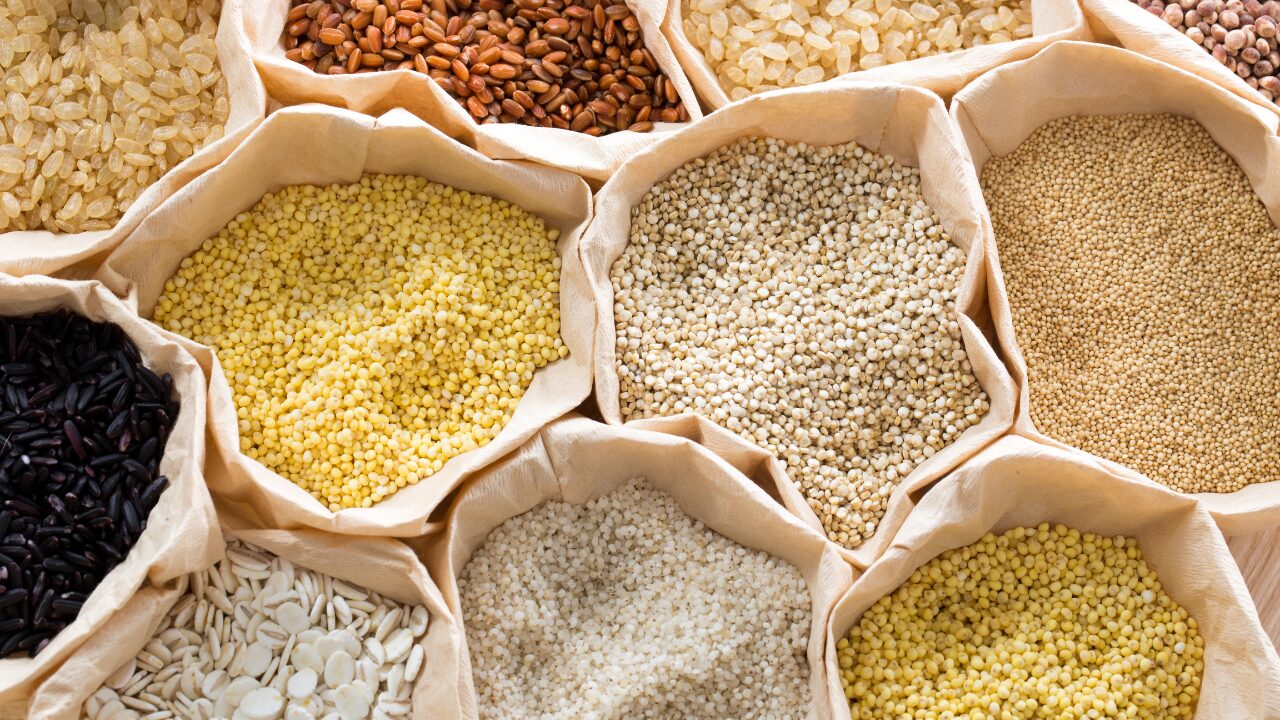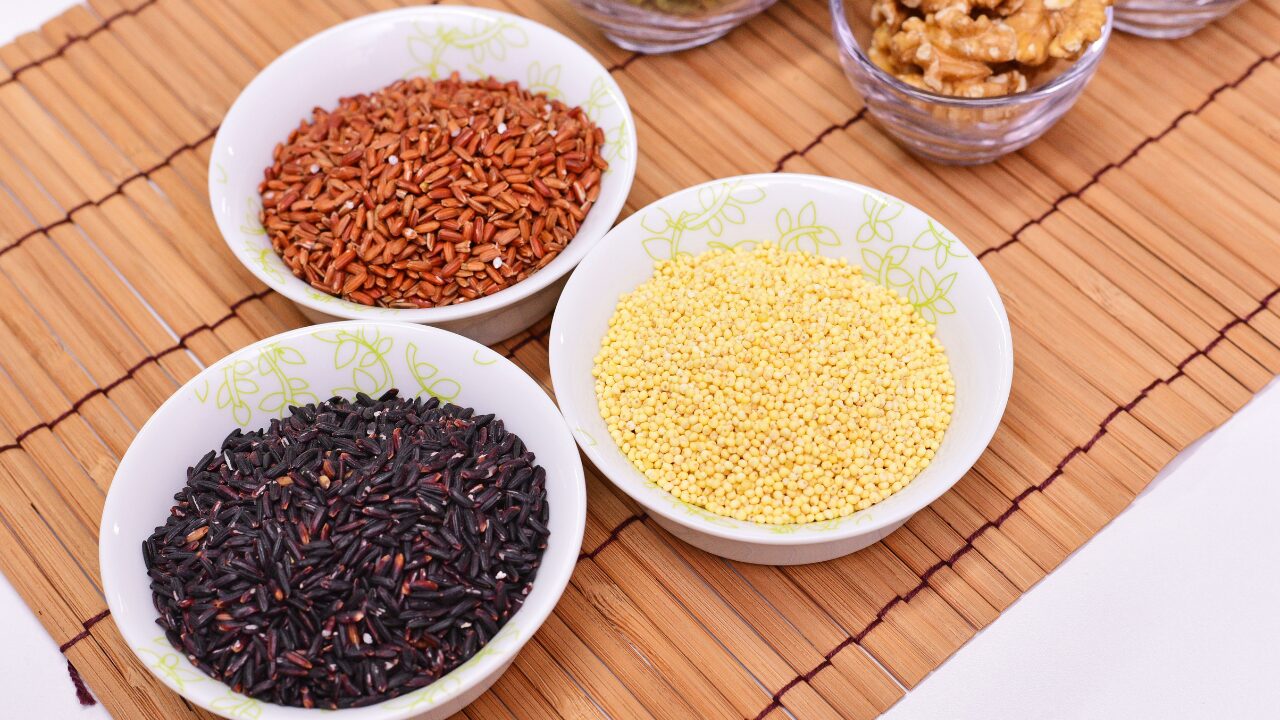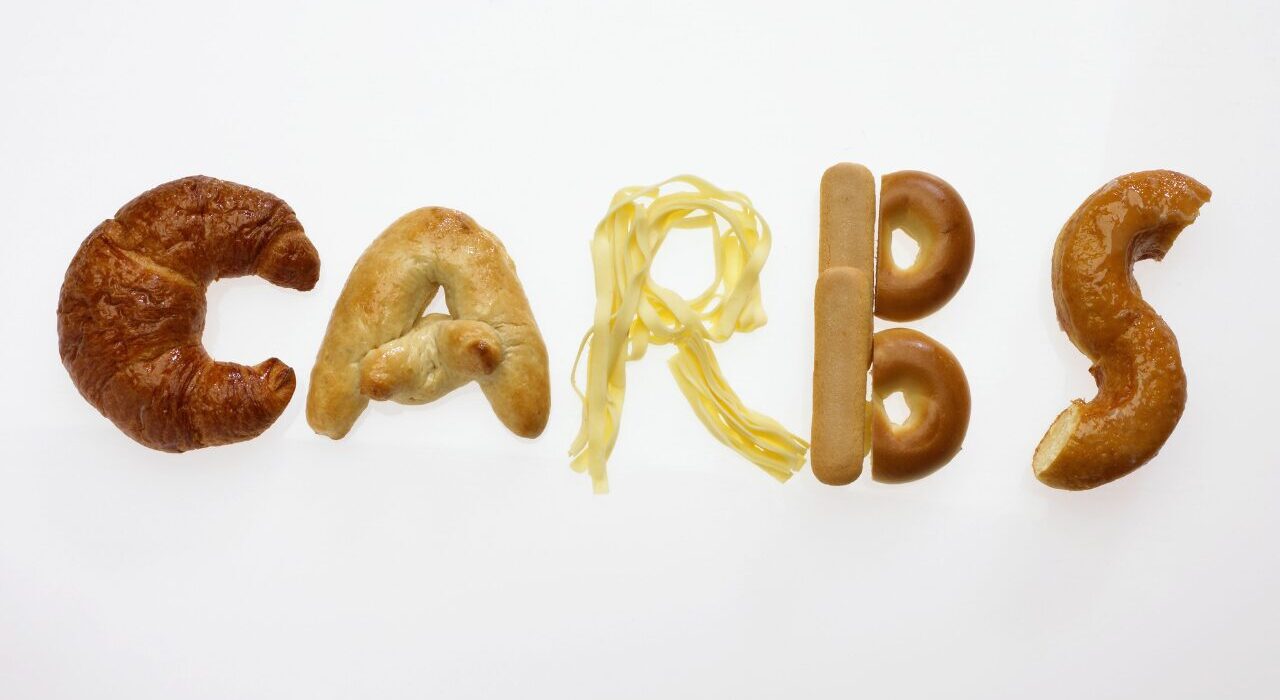
Carbohydrates have had a difficult decade in nutritional public opinion. Low-carb diets, keto protocols, and the general cultural association between carbohydrates and weight gain have.
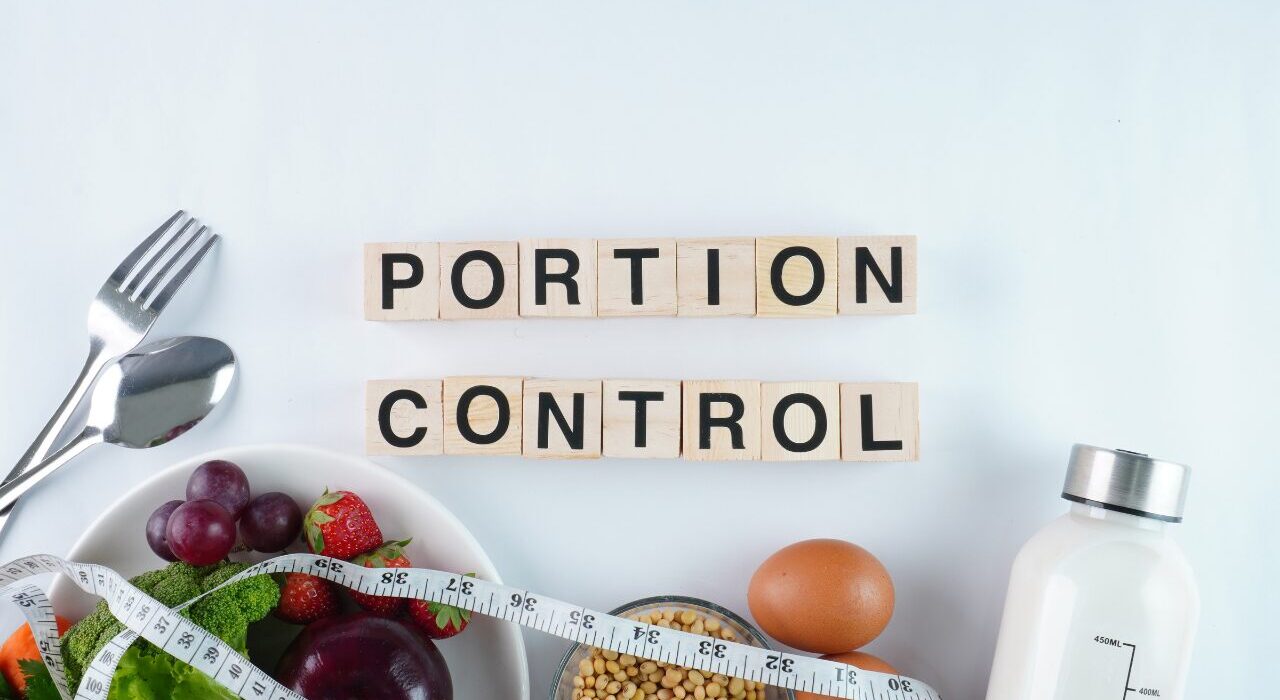
The word “diet” carries a specific meaning in popular culture that is nutritionally distinct from its scientific definition. When most people say they are “going.
Two people eat the same meal. One stores more fat from it. One feels fuller for longer. One has more stable blood sugar. One experiences.
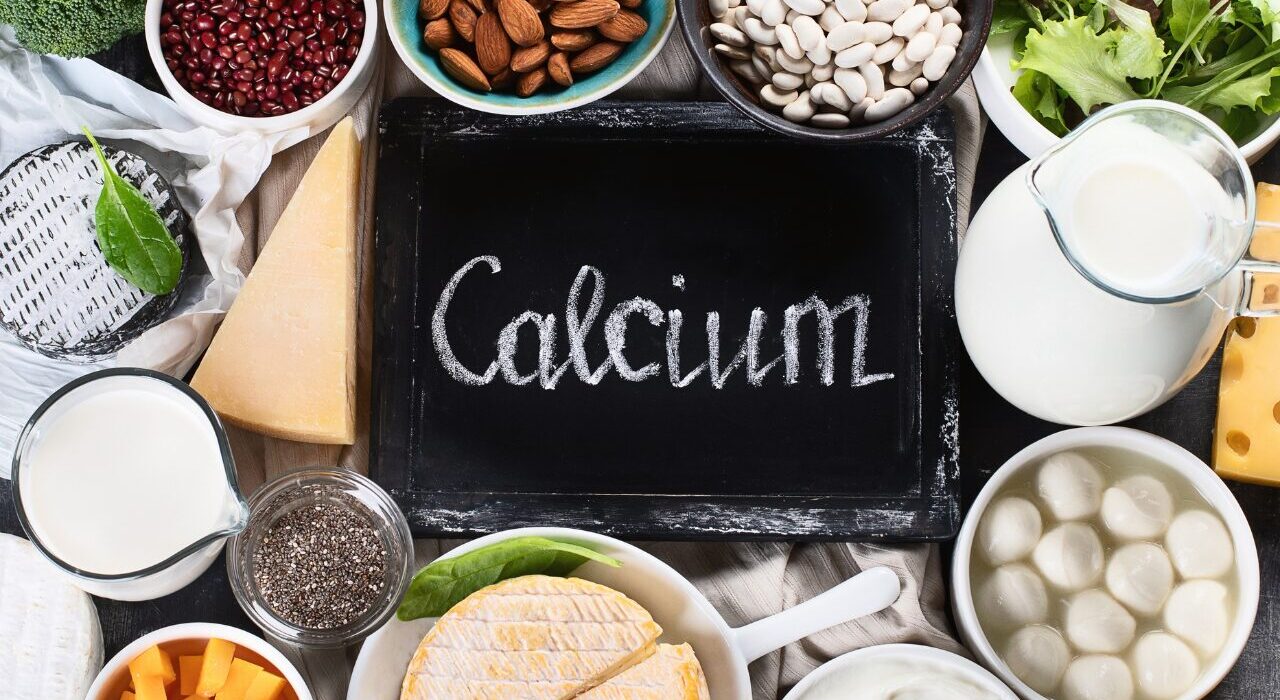
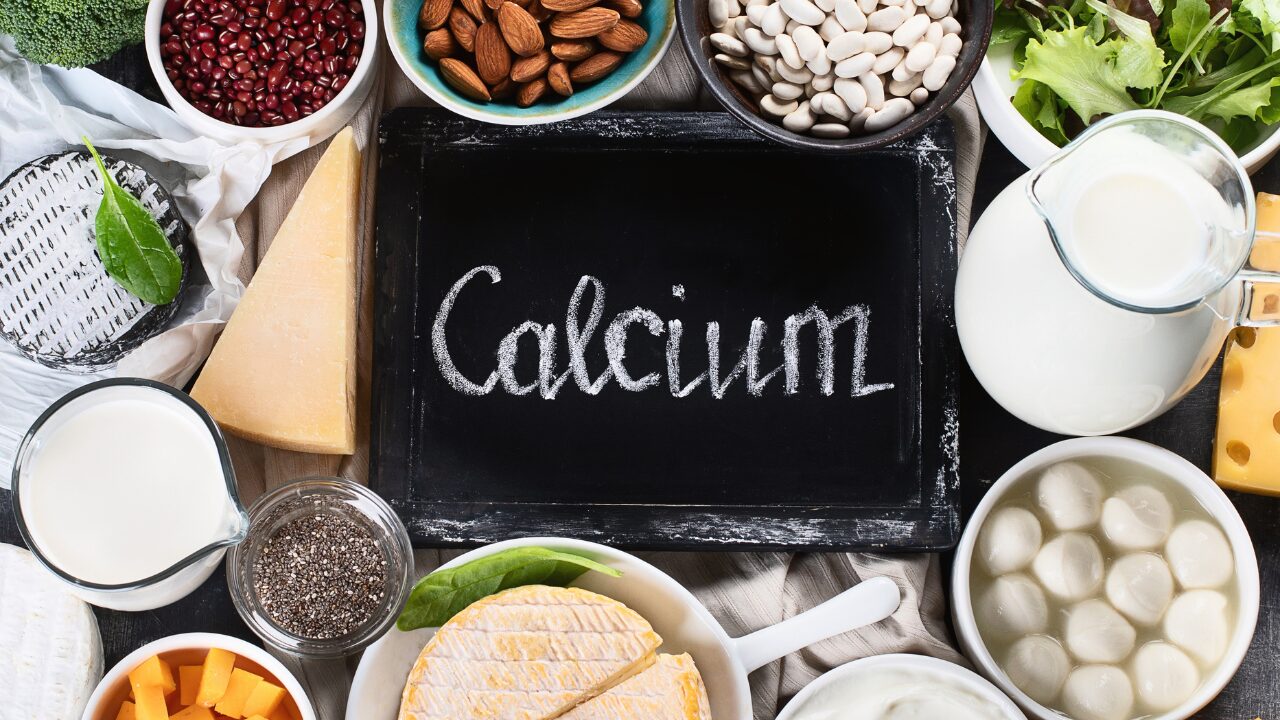
“Drink your milk for strong bones” is one of the most persistent nutritional messages in Indian households. It is not wrong — milk is a.
PCOS — polycystic ovary syndrome — is the most common endocrine disorder affecting women of reproductive age, and its prevalence in India is among the.
Premenstrual syndrome is not imagined, not exaggerated, and not simply a matter of emotional sensitivity. It is a real, physiologically grounded set of symptoms —.
Long before nutritional science existed, Indian food culture had solved some of its most important problems. The dal-chawal that sustained generations across the subcontinent was.
Every Indian kitchen has a bowl of dal soaking by the evening. Sprouted moong appears in morning chaats. Fermented idli batter sits overnight on the.
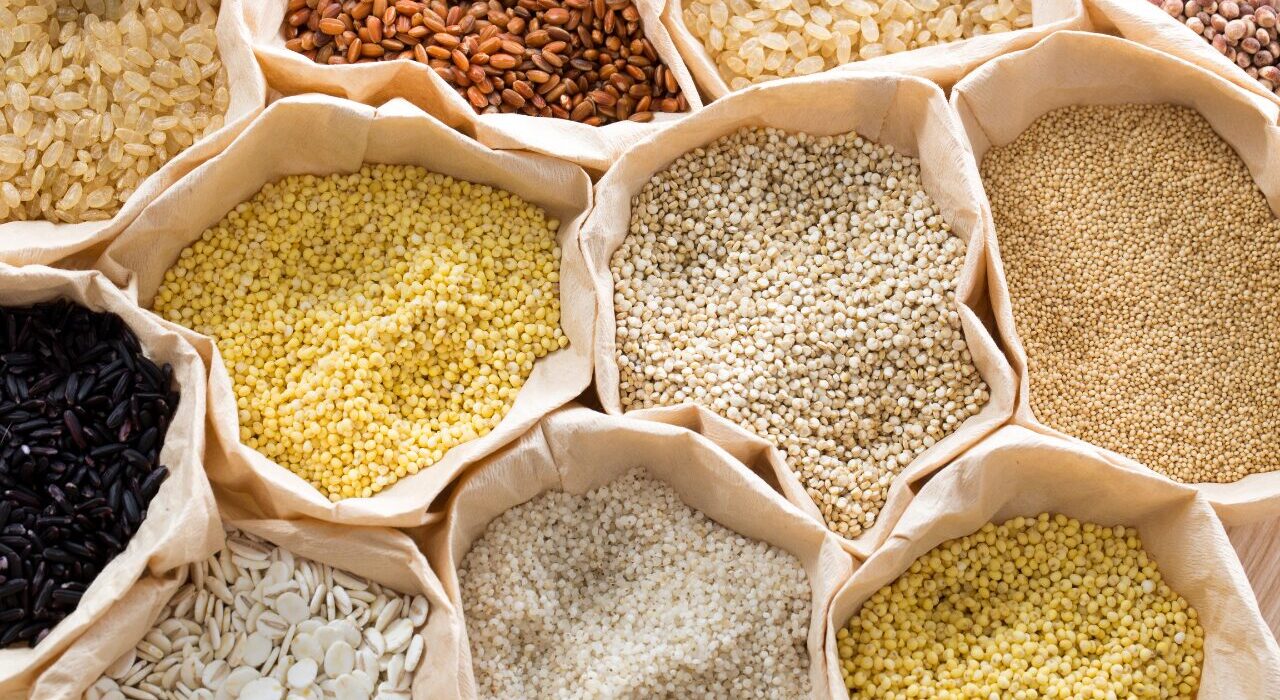
There is a reason traditional millet preparations across India involve soaking, fermenting, and specific water ratios. Generations of home cooks did not arrive at these.
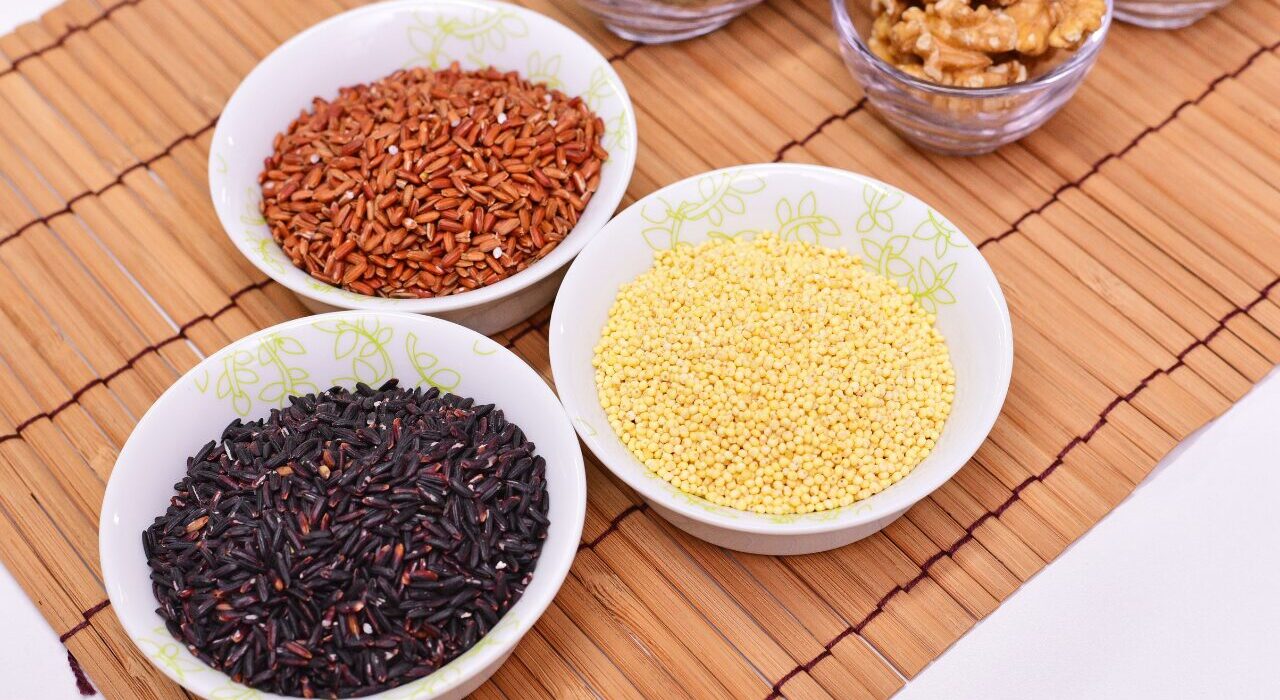
India grows more than a dozen varieties of millet. For most of the country’s history, they were dietary staples — eaten daily, prepared in dozens.