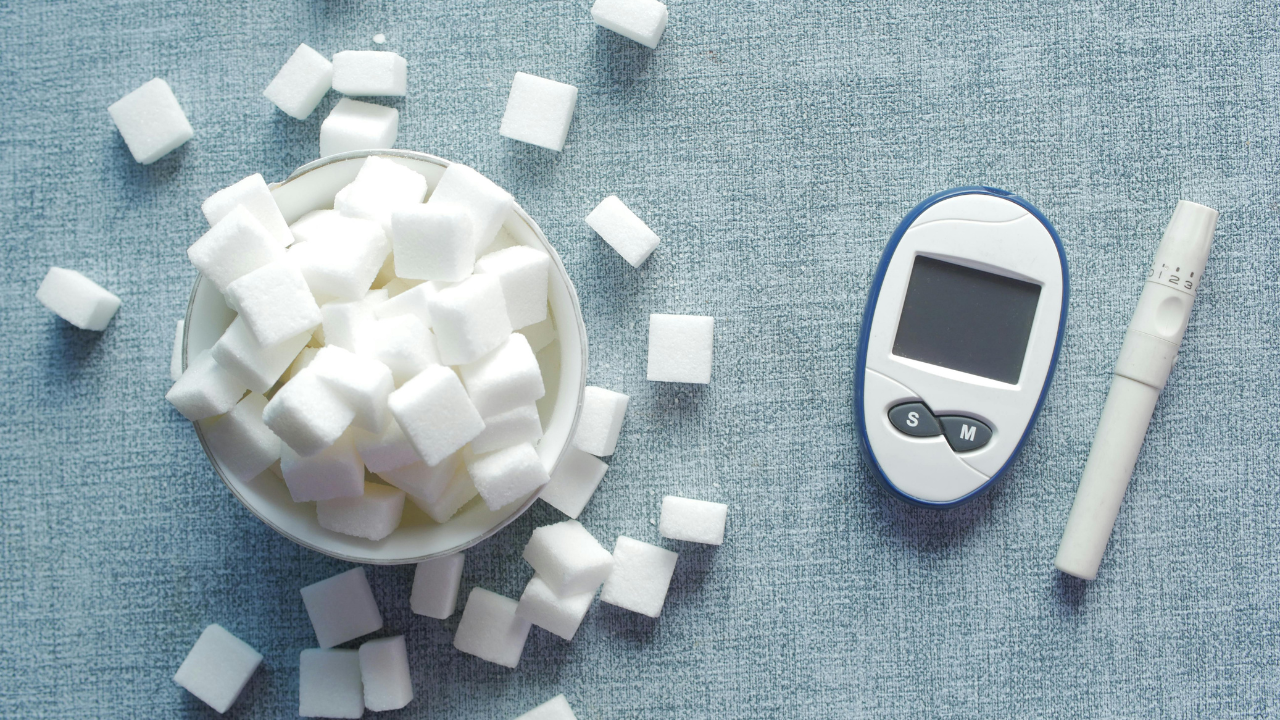
You have probably heard the term. Your doctor may have mentioned it. A family member may have been told they are "pre-diabetic" or have "high insulin levels." You may have read about it in the context of PCOD, weight gain, or fatigue. But if you were asked to explain what insulin resistance actually is — not the medical definition, but what is genuinely happening inside the body, and why — the explanation might be harder to produce.
This blog is that explanation.
Insulin resistance is one of the most common metabolic conditions in the world — and in India specifically, it is reaching epidemic proportions. India already has the highest number of people with type 2 diabetes of any country on earth, and the trajectory is worsening. Yet insulin resistance — the condition that precedes diabetes by years or decades — is poorly understood by most of the people who have it, partly because its early symptoms are vague and easy to attribute to other causes, and partly because the medical system typically does not intervene until the condition has progressed to diagnosable disease.
Understanding insulin resistance in clear, non-clinical terms is genuinely protective — because the condition is largely reversible through lifestyle, particularly through food, and the earlier it is understood and addressed, the simpler and more complete the reversal tends to be.
Start With Insulin: What It Is and What It Does
To understand insulin resistance, you first need to understand insulin itself — because insulin resistance is not a problem with insulin per se, but a problem with how cells respond to it.
Insulin is a hormone produced by beta cells in the pancreas. Its primary job is to manage blood glucose — the sugar that circulates in the bloodstream after you eat carbohydrates.
Here is the sequence in its simplest form:
You eat a meal containing carbohydrates. The carbohydrates are broken down into glucose in the small intestine. Glucose is absorbed into the bloodstream. Blood glucose rises. The pancreas detects this rise and releases insulin into the bloodstream. Insulin travels to cells throughout the body — in muscle, the liver, and fat tissue — and acts like a key, fitting into receptors on the cell surface and "unlocking" the cell to allow glucose to enter. Once inside the cell, glucose is either used immediately for energy or stored as glycogen for later use. Blood glucose falls back to its normal resting level. Insulin production reduces accordingly.
This is insulin working perfectly. Blood glucose rises after eating, insulin clears it efficiently into cells, blood glucose returns to baseline, insulin goes quiet until the next meal. The whole cycle works smoothly and the person feels energised, even-keeled, and metabolically well.
Insulin resistance is what happens when this smooth cycle breaks down — specifically, when cells stop responding efficiently to insulin's signal.
What Insulin Resistance Actually Is
The most useful analogy for insulin resistance is one that almost everyone will recognise immediately.
Imagine a busy office where the manager sends the same memo to the staff every day requesting an important action. At first, the staff respond promptly — the memo arrives, the action is taken, everything runs smoothly. But if the manager sends the same memo twenty times a day, every day, for months — the staff start to tune it out. They become habituated to the signal. The same memo that once prompted immediate action now gets filed without being read. The manager responds by sending more memos, more urgently, to try to get the same response. The staff tune out further. Eventually, the system breaks down entirely.
This is insulin resistance. The "memo" is the insulin signal. The "staff" are the insulin receptors on cells. The "manager" is the pancreas.
In practice: when cells are exposed to chronically high levels of insulin — which happens when high-glycemic foods are eaten frequently throughout the day — they begin to downregulate their insulin receptors. They become less sensitive to insulin's signal. The pancreas detects that blood glucose is not being cleared as efficiently and responds by producing more insulin, trying harder to get the same result. For a time, this compensation works — blood glucose remains in a normal range, but only because the pancreas is overworking to achieve it. This is the pre-diabetic state: normal blood glucose maintained through abnormally high insulin output.
Over time, as insulin resistance progresses, the pancreas cannot keep up. Blood glucose begins to rise — first after meals (post-prandial hyperglycaemia), then even at baseline (fasting hyperglycaemia). When fasting blood glucose consistently exceeds 126 mg/dL and HbA1c exceeds 6.5%, the diagnosis becomes type 2 diabetes. But the underlying process — insulin resistance — has typically been building for 5–15 years before that diagnostic threshold is crossed.
What Causes Insulin Resistance? The Specific Mechanisms
Insulin resistance does not develop overnight. It develops through the accumulation of specific metabolic insults, each of which contributes to the progressive desensitisation of insulin receptors. Understanding the causes is the most direct route to understanding prevention and reversal.
Cause 1: Chronic Blood Sugar Spikes From High-Glycemic Eating
The most fundamental driver of insulin resistance is the dietary pattern that produces chronically elevated insulin levels — which is, specifically, a diet high in refined carbohydrates and sugar that creates repeated large blood glucose spikes throughout the day.
Every blood glucose spike requires an insulin response. A large spike requires a large insulin response. When this happens three, four, five times per day — as it does for most urban Indians eating refined wheat, polished rice, packaged biscuits, sweetened beverages, and processed snacks — cells are exposed to sustained high insulin concentrations that drive progressive receptor downregulation.
The glycemic load of the modern Indian diet has increased dramatically in the past three decades — not primarily because people are eating more, but because the carbohydrates they are eating have shifted from low-GI whole grains and pulses to high-GI refined flour and sugar products. This shift is the single most important dietary driver of India's insulin resistance epidemic.
Cause 2: Visceral Fat Accumulation
Visceral fat — the fat deposited around the abdominal organs, as opposed to subcutaneous fat deposited under the skin — is metabolically active in a damaging way. It releases inflammatory cytokines (including TNF-alpha and IL-6) and free fatty acids that directly impair insulin receptor signalling in the liver and muscle tissue.
This creates a particularly vicious cycle: insulin resistance promotes fat storage (because insulin suppresses fat breakdown), fat storage worsens insulin resistance, which promotes further fat storage. The abdominal fat that develops progressively in people with insulin resistance is not merely a symptom — it is an active driver of the condition's worsening.
Indians are particularly susceptible to this pattern because of a genetic predisposition to accumulate visceral fat at lower BMI levels than Western populations — meaning that Indians develop metabolically significant visceral fat accumulation at body weights that would not be classified as obese by conventional Western standards. This is one of the key reasons India's diabetes epidemic is so severe relative to average body weight in the population.
Cause 3: Chronic Inflammation From Poor Diet Quality
Systemic low-grade inflammation — driven by refined vegetable oils high in omega-6 fatty acids, by refined sugar's effects on gut microbiome composition, and by the gut barrier disruption that low-fiber diets promote — directly impairs insulin receptor function.
The inflammatory cytokines produced by a chronically inflamed gut and adipose tissue interfere with the intracellular signalling cascade that follows insulin-receptor binding, reducing the efficiency with which the glucose transport system (GLUT4) is activated. In simple terms: inflammation makes the cellular machinery that responds to insulin work less effectively, independent of how many receptors are present.
Cause 4: Sleep Deprivation and Circadian Disruption
As discussed in the late-night snacking blog, insulin sensitivity follows a circadian pattern — highest in the morning, lowest in the late evening. Chronic sleep deprivation disrupts this pattern, maintaining insulin sensitivity at below-optimal levels throughout the full 24-hour cycle.
Even a single night of sleep restriction has been shown to reduce whole-body insulin sensitivity by 20–25% in controlled research. Chronic partial sleep deprivation — getting 5–6 hours instead of 7–9 hours regularly — produces progressive insulin resistance that compounds with dietary factors to accelerate the development of metabolic disease.
Cause 5: Physical Inactivity
Muscle tissue is the primary site of insulin-stimulated glucose uptake — accounting for approximately 75–80% of glucose disposal after a meal. Muscle contraction, both during exercise and through general physical activity (NEAT — non-exercise activity thermogenesis), independently improves GLUT4 expression and insulin receptor sensitivity in muscle cells.
Physical inactivity reduces muscle mass over time (through sarcopenia), reduces GLUT4 expression, and reduces the metabolic sink that muscle represents for post-meal glucose disposal. The sedentary lifestyle of increasingly urban Indians — desk-based work, motorised transport, minimal walking — is a major contributor to the insulin resistance epidemic.
Cause 6: Chronic Stress
Cortisol — the primary stress hormone — is counter-regulatory to insulin. It raises blood glucose (by stimulating hepatic gluconeogenesis and glycogenolysis) and simultaneously reduces insulin sensitivity in peripheral tissues. Chronic stress maintains cortisol at persistently elevated levels, creating a sustained background of impaired insulin sensitivity that compounds with dietary and lifestyle factors.
The psychological stress of modern urban life — financial pressure, career anxiety, relationship strain, social isolation — produces a chronic cortisol elevation that many people experience as normal because it has been continuous for so long. But the metabolic consequences accumulate regardless of whether the stress is perceived as unusual.
What Insulin Resistance Feels Like: The Overlooked Symptoms
This is perhaps the most practically important section of this blog — because insulin resistance is predominantly silent in its early and middle stages, which means most people who have it do not know they have it. The symptoms that do appear are non-specific and easily attributed to other causes.
Here are the most common manifestations that should prompt consideration of insulin resistance, particularly when several appear together:
Persistent fatigue, especially after meals. When insulin resistance is present, the cells that most need glucose — muscle cells, brain cells — cannot receive it efficiently despite its presence in the blood. The person has adequate blood glucose (sometimes elevated) but inadequate cellular glucose — producing the paradox of feeling exhausted despite eating. Post-meal fatigue, specifically — the overwhelming sleepiness that follows lunch or dinner — is one of the most consistent early signs of insulin resistance.
Difficulty losing weight, especially around the abdomen. Elevated insulin directly suppresses lipolysis — the breakdown of fat for energy. A person with insulin resistance may eat carefully, exercise, and still find that abdominal fat is remarkably resistant to reduction — because the chronically elevated insulin that characterises insulin resistance is maintaining the fat-storage signal continuously.
Intense carbohydrate cravings, particularly in the mid-afternoon. The reactive hypoglycaemia that follows the blood glucose spikes of insulin resistance produces intense ghrelin surges at predictable intervals — often in the mid-afternoon, often in the late evening. These cravings feel physically compelling rather than merely habitual, because they are driven by genuine blood glucose instability rather than preference.
Skin changes — skin tags and acanthosis nigricans. Skin tags — small, soft growths that appear in skin folds at the neck, armpits, and groin — are one of the most reliable physical signs of insulin resistance. Acanthosis nigricans — darkening and thickening of the skin in folds and creases, particularly at the back of the neck — is directly caused by insulin's stimulation of keratinocyte growth at high concentrations. Both are visible markers of chronic hyperinsulinaemia.
Brain fog and poor concentration. The brain's glucose supply is impaired in insulin resistance for the same reason muscle cells' supply is impaired — receptor desensitisation reduces glucose uptake. The brain's cognitive functions — memory, concentration, processing speed — are directly dependent on adequate glucose delivery, and their impairment is a functional consequence of insulin resistance in central nervous system tissue.
Frequent urination and increased thirst (in more advanced stages). These symptoms appear when blood glucose rises high enough to exceed the kidney's reabsorption capacity — glucose spills into the urine, drawing water with it, producing the classic symptoms of hyperglycaemia. These symptoms represent a more advanced stage where insulin resistance has progressed to significantly impaired glucose control.
Hormonal disruption in women — PCOD, irregular cycles. The connection between insulin resistance and PCOD is bidirectional and well-established. Elevated insulin directly stimulates the ovaries to produce excess androgens — testosterone and DHEA — through a mechanism involving insulin receptor stimulation of ovarian theca cells. This androgen excess drives the characteristic features of PCOD: irregular or absent ovulation, facial hair, acne, and the difficulty conceiving that affects many women with the condition. In women with PCOD, insulin resistance is present in approximately 65–70% of cases — making metabolic management central to PCOD treatment.
How Insulin Resistance Is Tested
Understanding what tests actually reveal insulin resistance — as opposed to the more commonly performed fasting blood glucose test that catches it only in its later stages — is practically important.
Fasting blood glucose — the most routine test — measures blood glucose after an 8-hour fast. It is normal (below 100 mg/dL) in early insulin resistance, because the pancreas is overproducing insulin to maintain normal blood glucose. A normal fasting glucose does not rule out insulin resistance.
Fasting insulin — a test that directly measures how much insulin the body is producing to maintain a given fasting glucose level. An elevated fasting insulin (above 10–12 μIU/mL in most laboratories) in the context of normal fasting glucose is the most sensitive indicator of early insulin resistance. This test is not routinely ordered in India but is the single most informative early marker of the condition.
HOMA-IR (Homeostatic Model Assessment of Insulin Resistance) — calculated from fasting glucose and fasting insulin: (fasting insulin × fasting glucose) ÷ 405. A HOMA-IR above 1.9 suggests early insulin resistance; above 2.9 suggests significant insulin resistance. This calculation can be done from two simple blood tests and is one of the most accessible early diagnostic tools.
HbA1c — measures average blood glucose over the preceding 2–3 months, reflecting the integrated glucose exposure of red blood cells. Normal below 5.7%; pre-diabetic range 5.7–6.4%; diabetic above 6.5%. More informative than single fasting glucose readings but still insensitive to early insulin resistance.
Post-meal (2-hour postprandial) glucose — blood glucose measured 2 hours after a meal or glucose challenge. Values above 140 mg/dL at 2 hours (in the glucose tolerance test) indicate impaired glucose tolerance — a functional marker of insulin resistance even when fasting glucose is normal.
Triglyceride-to-HDL ratio — a simple calculation from a standard lipid panel. A ratio above 3 (in mg/dL units) or above 1.3 (in mmol/L units) is strongly associated with insulin resistance and metabolic syndrome in Indian populations, and is one of the most accessible proxy markers available from routine blood work.
How to Begin Reversing Insulin Resistance Through Diet
Insulin resistance is not a permanent condition in its early and middle stages. The cells' insulin receptors can be resensitised through the consistent removal of the dietary and lifestyle factors that caused their desensitisation — and this resensitisation can happen surprisingly quickly once the right interventions are in place.
The dietary priorities for insulin resistance reversal are clear and consistent across the evidence base:
Priority 1: Reduce High-Glycemic Carbohydrates
The most direct intervention is replacing the high-GI foods that produce chronic blood glucose spikes — and therefore chronic insulin elevation and receptor downregulation — with low-GI alternatives that produce gentle, sustained glucose release.
In the Indian dietary context, this means replacing refined wheat (maida-based snacks and bread), polished white rice in large quantities, and packaged refined snacks with whole millets, whole pulses, and fiber-rich vegetables. This single category of change — reducing glycemic load — is the most consistently effective dietary intervention for improving insulin sensitivity documented in the clinical literature.
Jowar, bajra, and ragi have glycemic indices of 54–65 — firmly in the low range — and contain resistant starch and polyphenols that actively inhibit starch digestion enzymes, producing an even lower effective glycemic response than their GI alone suggests. Nutramore's Jowar Chilla Mix and Jowar Upma Premix replace the high-GI semolina or maida breakfasts that are among the most significant contributors to insulin resistance in the typical urban Indian diet — delivering 30g of complete protein alongside the low-GI complex carbohydrates that support insulin sensitivity improvement.
Priority 2: Increase Dietary Fiber
As documented in the fiber blog, dietary fiber — particularly soluble fiber and resistant starch — directly improves insulin sensitivity through multiple mechanisms: flattening glucose curves, stimulating GLP-1 and PYY, producing SCFA butyrate that improves cellular insulin receptor function, and reshaping the gut microbiome toward species that support metabolic health.
Research consistently shows that increasing dietary fiber to recommended levels (40g/day for Indian adults) produces measurable improvements in insulin sensitivity within 4–8 weeks — without any other dietary change. Whole millets and pulses are the most fiber-dense category of food available in the Indian diet, delivering 8–16g of fiber per 100g depending on the specific grain or legume.
Nutramore's Millet Methi Crispies combine millet fiber with fenugreek's galactomannan — one of the most potent natural glucose-moderating fibers available — in a snack format that contributes meaningfully to daily fiber intake at every eating occasion. Baked Protein Sticks from whole dal provide pulse fiber alongside 18g of protein — both components directly supportive of insulin sensitivity improvement.
Priority 3: Increase Protein at Every Meal and Snack
Protein does not raise blood glucose. It stimulates GLP-1, which improves insulin sensitivity directly. It suppresses ghrelin, which reduces the cortisol-elevating hunger cycles that worsen insulin resistance. And it preserves muscle mass — the primary site of glucose disposal — during the caloric management that insulin resistance reversal often involves.
The research on protein and insulin sensitivity is consistent: higher protein diets (25–30% of total calories from protein) show faster and more complete insulin sensitivity improvement than lower protein diets, even when total calories are matched. Distributing this protein across meals and snacks — rather than consuming it primarily at dinner — appears to produce better outcomes by maintaining the insulin-sensitising effects of amino acid signalling throughout the day.
Nutramore's Green-Gram Upma Premix at 32g of protein per serving is one of the most protein-dense Indian breakfast or snack options available — from whole green gram, with intrinsic fiber, B vitamins, and minerals that support every aspect of insulin resistance management.
Priority 4: Replace Refined Sugar With Jaggery — and Reduce Total Sweetener Load
Refined sugar — in all its forms — is one of the most direct drivers of insulin resistance through its fructose component. Unlike glucose, which is metabolised across all tissues, fructose is metabolised almost exclusively in the liver. High fructose consumption drives hepatic de novo lipogenesis (fat production in the liver), produces reactive oxygen species that impair insulin signalling, and directly promotes visceral fat accumulation through mechanisms independent of its caloric contribution.
Jaggery, while still a sweetener requiring moderation, contains chromium — a trace mineral that directly enhances insulin receptor sensitivity by facilitating the binding of insulin to its receptor. Chromium acts as a cofactor for the glucose tolerance factor (GTF) molecule that is required for normal insulin receptor function. Its presence in jaggery, alongside iron and potassium, makes jaggery a meaningfully different sweetener from refined sugar for people managing insulin resistance — not a licence for unlimited consumption, but a genuinely better option when sweetness is desired.
All Nutramore products use chemical-free jaggery as their sole sweetener — making the entire range inherently more appropriate for people managing insulin resistance than any refined-sugar-containing alternative.
Priority 5: Add Magnesium-Rich Foods
Magnesium is a cofactor for over 300 enzymatic reactions, including those governing insulin receptor signalling. Magnesium deficiency directly impairs insulin receptor tyrosine kinase activity — the enzyme responsible for the intracellular signalling cascade that follows insulin-receptor binding. Research consistently shows that magnesium-deficient individuals have higher rates of insulin resistance, and that magnesium supplementation improves insulin sensitivity in deficient populations.
Bajra is one of the richest dietary sources of magnesium available in Indian cuisine — making Bajra Cookies and Bajra Moong Chocolate Cookies particularly valuable for insulin resistance management beyond their low-GI and fiber contributions.
The Non-Dietary Interventions: Essential Complements to Food
Diet is the most powerful lever for insulin resistance reversal, but it is not the only one — and the other interventions are too important to omit.
Physical movement. Muscle contraction increases GLUT4 translocation to cell surfaces independent of insulin — literally bypassing the insulin resistance problem by providing an alternative route for glucose entry into muscle cells. Both aerobic exercise and resistance training improve insulin sensitivity, through different but complementary mechanisms. Even moderate walking — 30 minutes daily — produces measurable insulin sensitivity improvement within two to three weeks.
Sleep quality and duration. As established earlier, even partial sleep restriction produces 20–25% reductions in insulin sensitivity. Achieving 7–9 hours of quality sleep is not optional for insulin resistance management — it is a direct metabolic intervention.
Stress management. Chronic cortisol elevation directly impairs insulin sensitivity. Any consistent stress reduction practice — whether meditation, yoga, time in nature, creative engagement, or simply adequate rest — has documented metabolic benefits through the cortisol-insulin pathway.
Time-restricted eating. Confining eating to a 10–12 hour window aligned with the early part of the day allows a consistent overnight period of low insulin levels, during which cellular insulin receptor sensitivity is partially restored. Research on time-restricted eating shows improvements in insulin sensitivity, blood glucose variability, and HbA1c that occur independently of any change in total caloric intake.
The Timeline of Reversal: What to Realistically Expect
One of the most important things to understand about insulin resistance reversal is its timeline — because the early stages of improvement are not visible on the outside, which can be discouraging.
Within 1–2 weeks of dietary change: Post-meal blood glucose variability begins to reduce. The reactive hypoglycaemia that was producing intense mid-afternoon and late-evening cravings becomes less severe. Energy levels begin to stabilise. These changes are functional and experienced subjectively before any blood test would show them.
Within 4–8 weeks: Fasting insulin levels begin to fall as the pancreas reduces its compensatory output in response to lower glucose loads. HOMA-IR improves. If triglyceride-to-HDL ratio was elevated, it begins to improve — often one of the earliest objective markers to change. HbA1c, which reflects 3-month average glucose, will not yet show improvement at this timepoint.
Within 3–6 months: HbA1c begins to fall. Fasting glucose may begin to normalise. Visceral fat — which is more metabolically sensitive to dietary change than subcutaneous fat — begins to reduce, further reducing the inflammatory signalling that was perpetuating insulin resistance. Skin tags may begin to reduce in size or stop forming.
Beyond 6 months of consistent change: In early-to-moderate insulin resistance, normalisation of insulin sensitivity is achievable. HOMA-IR returns to normal range. Post-meal glucose responses normalise. The pancreas's compensatory overproduction of insulin can reduce to normal levels. The condition is, in the most meaningful functional sense, reversed.
This timeline is realistic, achievable, and entirely consistent with the dietary changes described — centred on replacing refined carbohydrates with whole millets and pulses, increasing protein and fiber, managing glycemic load at every meal and snack, and supporting the process with adequate sleep, movement, and stress management.
Final Thoughts
Insulin resistance is not a diagnosis to receive passively. It is a metabolic signal — clear, specific, and actionable — that the cells of the body are no longer responding efficiently to a hormone they require for health. The signal has a cause. The cause is addressable. And the reversal, when the cause is addressed consistently, is one of the most reliable and well-documented outcomes in nutritional medicine.
For millions of Indians currently sitting in the early or middle stages of this spectrum — feeling tired after meals, struggling with abdominal weight, experiencing intense carbohydrate cravings, managing PCOD or irregular cycles, noticing their blood glucose creeping upward at annual check-ups — the most important thing to understand is that this condition responded to with knowledge and consistency, is reversible.
The dietary foundation of that reversal is not complicated. Whole millets and pulses for their low GI, fiber, resistant starch, and minerals. Jaggery rather than refined sugar. Adequate protein at every eating occasion. Elimination of the refined, high-glycemic packaged snacks that are the primary dietary driver of insulin resistance in the Indian context.
The body's insulin receptors can be resensitised. The pancreas's compensatory overload can be relieved. The metabolic trajectory can be reversed. And it begins, as most things do, with what is on the plate — and what is in the snack drawer.
Explore Nutramore's full range of insulin-sensitivity-supporting millet snacks at nutramore.in/our-products