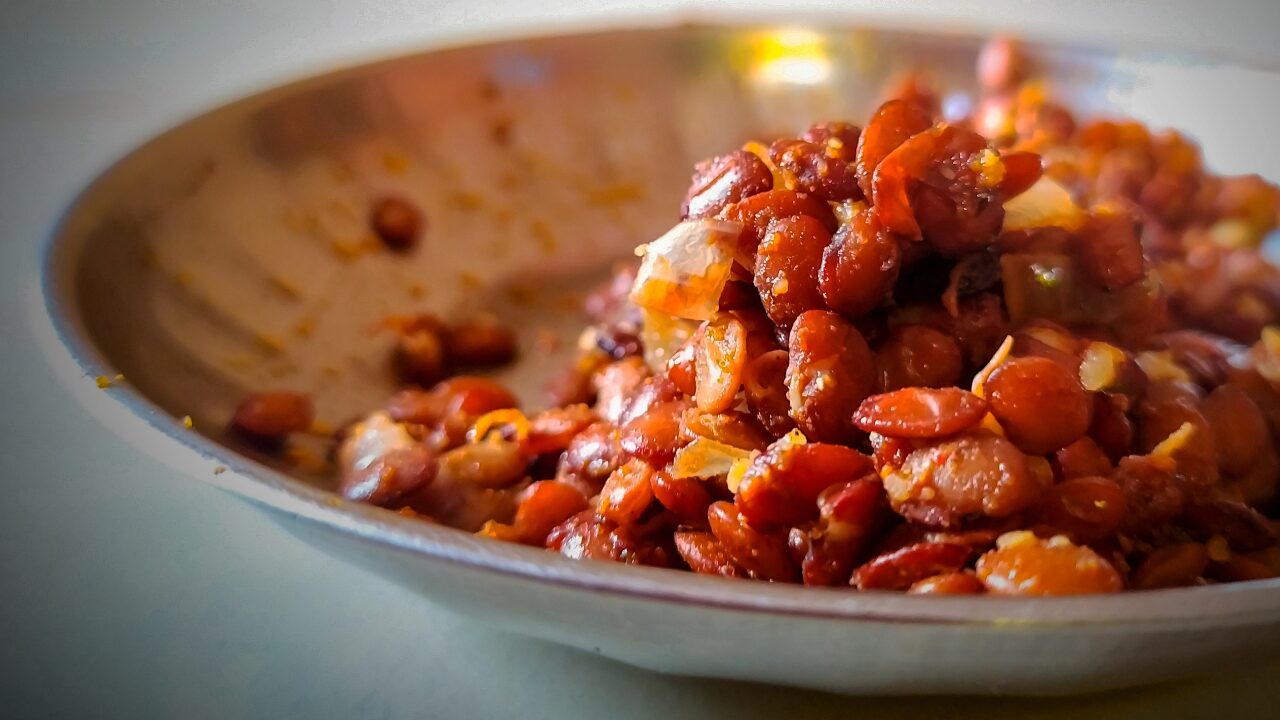
Every Indian kitchen has a bowl of dal soaking by the evening. Sprouted moong appears in morning chaats. Fermented idli batter sits overnight on the counter. These practices have been so consistent across Indian food culture — for so long, across such diverse regions — that they are invisible as nutritional decisions. They are simply how food is prepared.
The science of why these practices work has only recently been articulated with precision — but the findings confirm that soaking, sprouting, and fermenting pulses are not merely culinary traditions. They are nutritional interventions that significantly increase the bioavailability of protein, iron, and zinc; dramatically reduce the antinutrients that block mineral absorption; synthesise new vitamins that the dry pulse does not contain; and transform a food that can cause digestive discomfort into one that is easily handled by even sensitive digestive systems.
Understanding the specific mechanisms behind each process allows you to apply them more consistently and with clearer nutritional intention.
The Problem With Raw, Unsoaked Pulses
Dry pulses — in their raw, unprocessed form — contain a range of antinutrients whose evolutionary purpose is to protect the seed from predation and premature germination:
Phytic acid binds to minerals — iron, zinc, calcium, magnesium — forming insoluble complexes that pass through the digestive system unabsorbed. A meal of dal prepared without soaking delivers meaningfully less iron and zinc than the same dal prepared with adequate soaking — even though the mineral quantity on the nutrition label is identical.
Trypsin inhibitors inhibit the enzyme trypsin that breaks protein down into absorbable amino acids. Raw or minimally prepared pulses with active trypsin inhibitors deliver less effective protein per gram than pulses prepared to deactivate these inhibitors.
Lectins are carbohydrate-binding proteins that, at high concentrations in raw or undercooked legumes (particularly red kidney beans), can cause significant gastrointestinal distress. Adequate cooking deactivates lectins — but soaking before cooking reduces their initial concentration and allows more complete deactivation.
Oligosaccharides (raffinose, stachyose) are complex sugars that human digestive enzymes cannot break down. They pass to the colon intact where they are fermented by gut bacteria — producing gas and bloating. Soaking reduces their concentration by leaching them into the soaking water, significantly reducing post-meal digestive discomfort.
Soaking: The Foundational Step
Soaking pulses in water for 8–12 hours — with the soaking water discarded and fresh water used for cooking — produces several simultaneous improvements:
Phytic acid reduction of 30–60%. Water activates the pulse's own phytase enzyme, which begins breaking down phytic acid during the soaking period. Discarding the soaking water removes the dissolved phytate that has leached into it. The result is meaningfully improved mineral absorption from the same pulse.
Oligosaccharide reduction of 40–65%. Raffinose and stachyose are water-soluble and leach significantly into soaking water. Their reduction is directly responsible for the reduction in post-meal bloating and flatulence that soaking produces — a change most people notice within their first week of consistent soaking practice.
Partial trypsin inhibitor deactivation. Extended soaking partially denatures trypsin inhibitors, improving protein digestibility before cooking begins.
Shortened cooking time. A fully hydrated pulse cooks in 30–40% less time than an unsoaked one, reducing both fuel use and the degree of heat-induced nutrient degradation.
Sprouting: The Nutritional Multiplication Step
Sprouting — allowing soaked pulses to germinate by keeping them moist in a warm environment for 24–72 hours — produces the most dramatic nutritional transformation available from any single food preparation technique.
When a pulse sprouts, it activates a cascade of enzymatic activity designed to nourish the growing seedling — and these enzymes simultaneously transform the pulse's nutritional profile in ways that directly benefit the person consuming it.
Vitamin C synthesis. Dry pulses contain essentially no vitamin C. A 2-day sprouted moong contains approximately 13–16mg of vitamin C per 100g — manufactured by the sprouting process through the ascorbic acid synthesis pathway activated in germination. This newly synthesised vitamin C dramatically improves the absorption of the pulse's iron content — because ascorbic acid converts insoluble ferric iron to the more absorbable ferrous form and prevents its re-oxidation during digestion.
Folate increase of 30–50%. Folate (vitamin B9) — critical for cell division, foetal neural tube development, and homocysteine metabolism — increases significantly during sprouting as the germinating seed rapidly divides and requires folate for DNA synthesis in every new cell. Sprouted moong and sprouted chana provide substantially more folate than their unsprouted equivalents — a difference that matters most for pregnant women, people with MTHFR gene variants that impair folate metabolism, and anyone with elevated cardiovascular risk.
Phytic acid reduction of 50–75%. The phytase enzyme activated during germination is more active and more thorough than the soaking-activated phytase — producing greater phytic acid reduction and correspondingly greater mineral bioavailability improvement.
Protein digestibility improvement. The protease enzymes activated during sprouting begin pre-digesting the pulse's proteins — partially breaking down complex protein structures into simpler peptides that digestive enzymes handle more easily. PDCAAS (protein digestibility corrected amino acid score) of sprouted moong is measurably higher than unsprouted moong.
Enzyme inhibitor deactivation. Trypsin inhibitors are reduced by 50–80% during sprouting — substantially improving the effective protein absorption per gram of pulse protein.
Practical sprouting method for moong: Soak whole green moong for 8–10 hours. Drain. Wrap in a damp cloth or place in a sprouting container with drainage. Keep in a warm location (25–30°C is ideal). Rinse with fresh water twice daily. Sprouts are ready for eating within 24–36 hours (short, tender sprouts) to 48–72 hours (longer, more developed sprouts with higher vitamin C). Refrigerate after desired sprout length is reached.
Fermenting: The Gut-Transformative Step
Fermentation — the controlled growth of beneficial bacteria (primarily Lactobacillus species) and yeasts in moist pulse batter or paste — produces the most profound nutritional and digestive transformation of the three preparation methods.
B vitamin synthesis. Lactobacillus species produce riboflavin (B2), cobalamin (B12 precursors), and folate as metabolic byproducts. Fermented dal batters and fermented pulse-grain combinations provide meaningfully higher B vitamin content than their unfermented equivalents — a direct nutritional contribution from the microorganisms participating in fermentation.
Phytic acid reduction of 60–90%. Bacterial phytase is more active and more thorough than grain- or pulse-derived phytase. 24–48-hour fermentation produces phytic acid reductions sufficient to make the iron and zinc in fermented preparations significantly more bioavailable than in equivalent unfermented foods.
Glycemic index reduction. Fermentation converts some starch to lactic acid and acetic acid — reducing the net digestible starch content and producing a lower glycemic response from the same pulse than an unfermented preparation. Fermented idli batter, for example, has a significantly lower GI than the equivalent unfermented dal-rice mixture.
Prebiotic oligosaccharide transformation. The oligosaccharides that cause bloating in unfermented pulses are consumed by fermenting bacteria — reducing flatulence-causing compounds while simultaneously producing prebiotics (shorter oligosaccharides) that feed beneficial gut bacteria in the consumer.
Protein quality improvement. Fermentation improves the amino acid profile of pulse proteins — particularly by increasing lysine availability, which is already the pulse's strong amino acid, and by reducing the antinutrient-mediated protein binding that reduces effective protein absorption.
The combination of moong dal with jowar flour in Nutramore's Jowar Chilla Mix — which is prepared as a batter — benefits from even a brief resting period before cooking, as the initial stages of fermentation begin to improve digestibility and flavour.
Practical Application: Which Method for Which Pulse
Moong (green gram): All three methods apply and compound. Soaking before cooking any dal preparation. Sprouting for raw consumption (chaat, salads) or light stir-frying. Fermenting for batter-based preparations (chilla, dosa-style pancakes).
Chana (chickpea): Soaking for 10–14 hours minimum before cooking — chana has the highest antinutrient levels of common Indian pulses and requires thorough soaking. Sprouting works well but requires 48–72 hours for full germination. Fermented chana preparations are less traditional but nutritionally beneficial.
Urad dal: The basis of most South Indian fermented preparations — idli, dosa, vada. Traditional fermentation with rice activates Leuconostoc mesenteroides and Lactobacillus species that produce the characteristic sour flavour and the full spectrum of fermentation benefits.
Masoor (red lentil): The most tender and fastest-cooking pulse, requiring minimal soaking (2–4 hours). Its thinner outer coat means antinutrient levels are naturally lower than whole pulses, though soaking still improves digestibility.
Final Thoughts
The traditional Indian pulse preparation practices of soaking, sprouting, and fermenting are not culinary conservatism — they are nutritional technology whose specific mechanisms science has now fully articulated. They multiply the bioavailability of minerals that dry pulses contain but the body cannot efficiently access, synthesise vitamins the dry pulse lacks, reduce the compounds that cause digestive discomfort, and transform pulse protein from partially accessible to highly digestible.
The ten-minute habit of soaking tonight's dal tomorrow morning, maintaining a sprouting container with fresh moong, and allowing batter preparations to ferment overnight produces nutritional returns that no supplement can replicate — from the same pulses, at no additional cost, in time measured in seconds of active effort.
Explore Nutramore's pulse-based snacks at nutramore.in/our-products