The craving arrives without warning. You are not particularly hungry. You ate a reasonable lunch two hours ago. But something — a specific food, usually.
Walk through any Indian supermarket’s health food section and three claims appear on virtually every product: “Low Fat,” “Sugar-Free,” and “High Protein.” They are so.

The decision to eat more cleanly is usually made in a moment of clarity. Reading an alarming food label. Finishing a doctor’s appointment with worrying.

The single most consistent predictor of healthy snacking in a household is not the family’s knowledge of nutrition, their motivation to eat well, or even.
The workout is the stimulus. The food that surrounds it is the environment that determines whether that stimulus produces the adaptation you are training for..
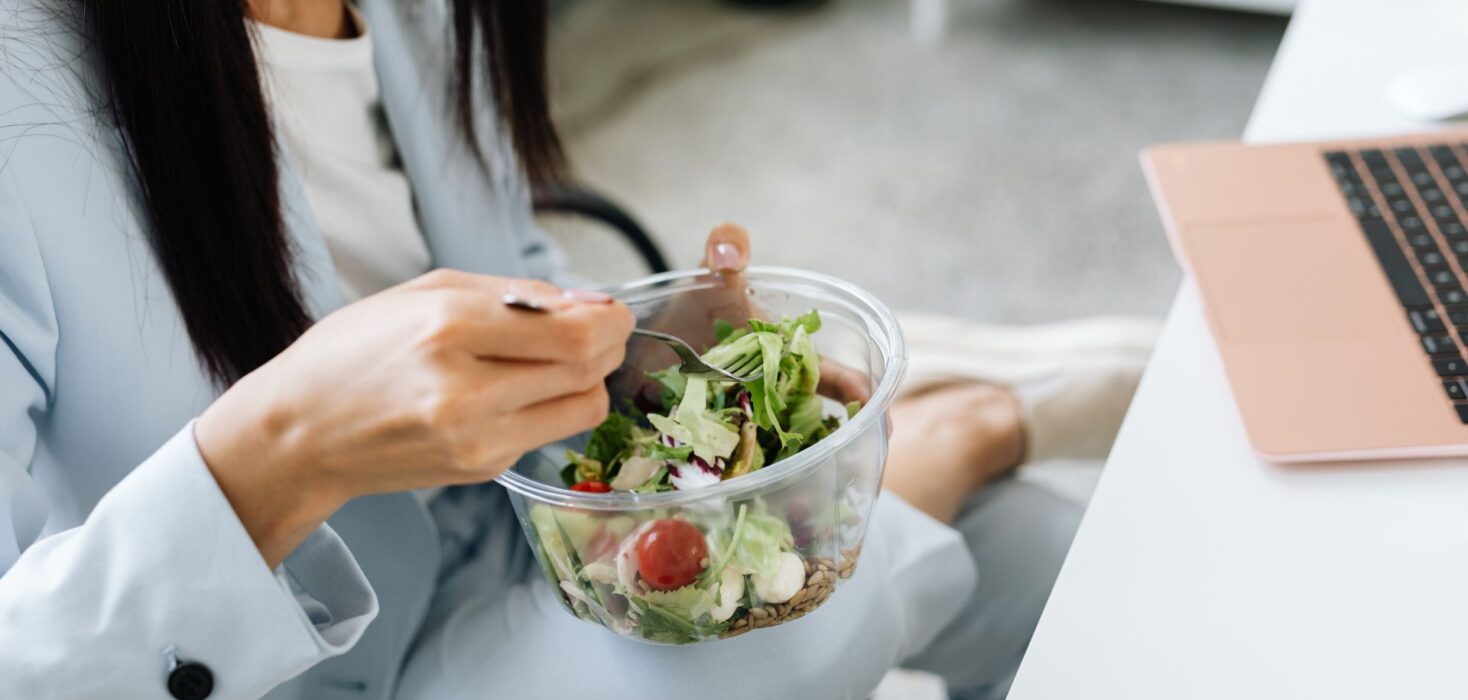
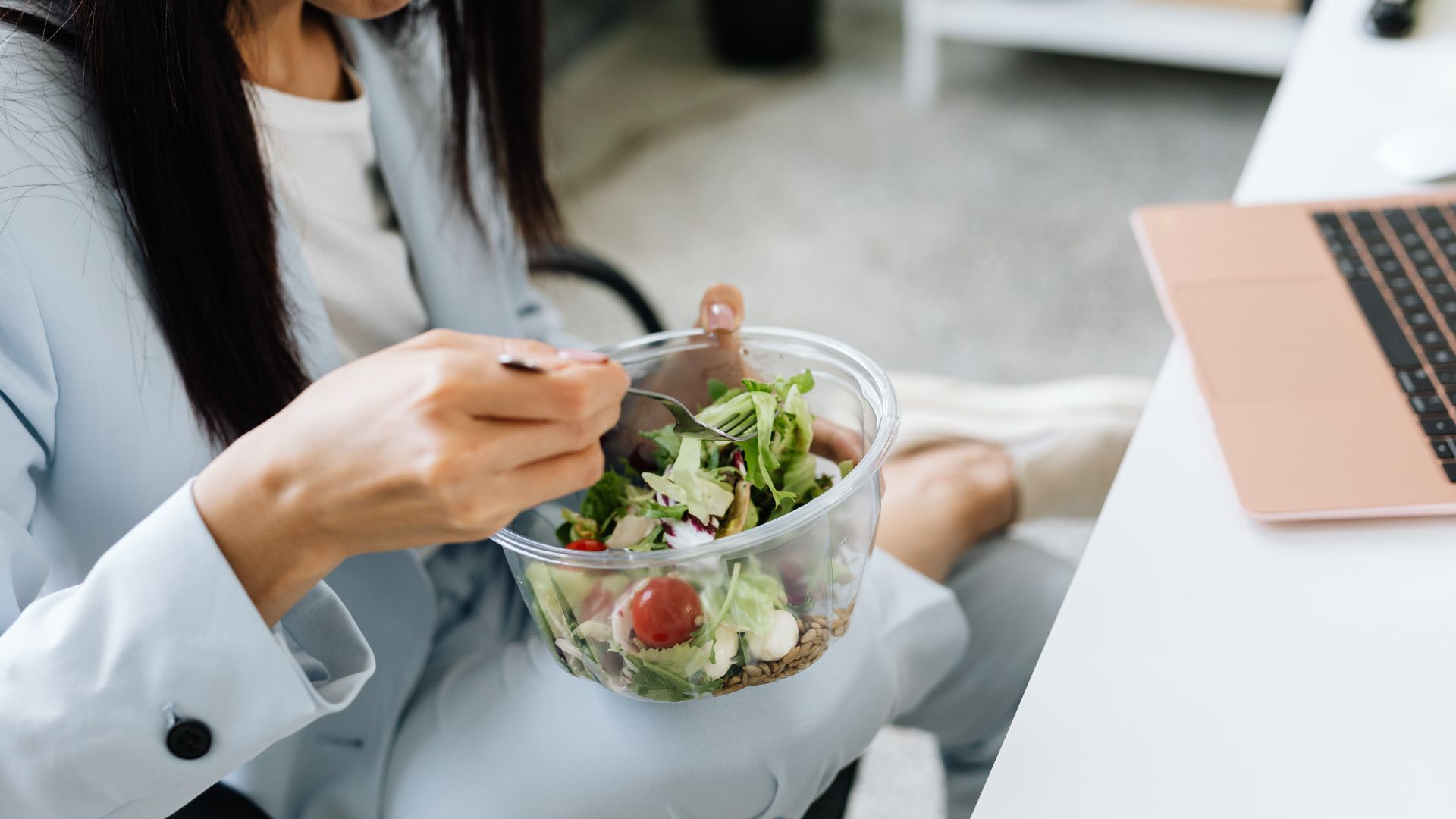
The office environment is nutritionally hostile in ways that are not always obvious until you notice the pattern: energy crashes at 2pm that make simple.
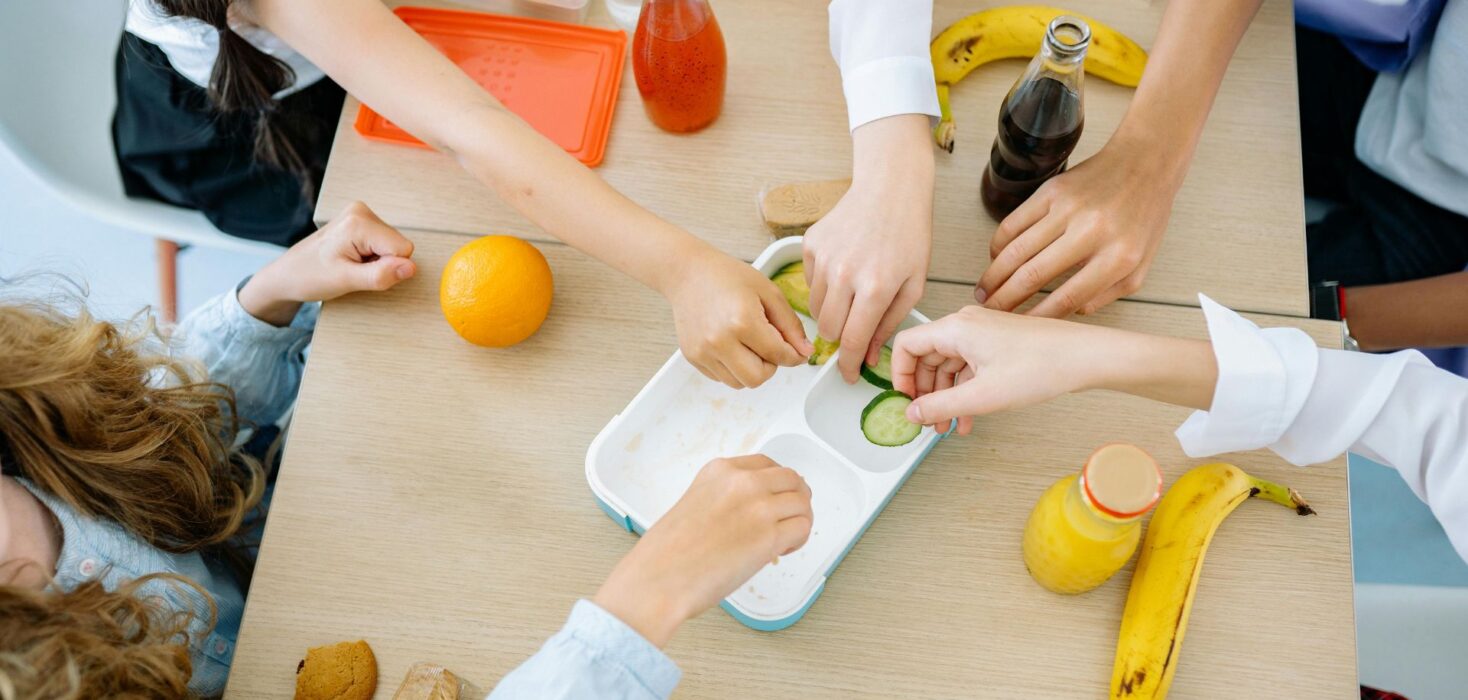
Monday to Friday has a rhythm. Breakfast is rushed but relatively consistent. Lunch is whatever is available at the desk or the office canteen. Snacks.

Nutritional deficiency in children is not always the dramatic wasting or stunting that clinical descriptions emphasise. In the majority of cases in Indian middle-class households,.
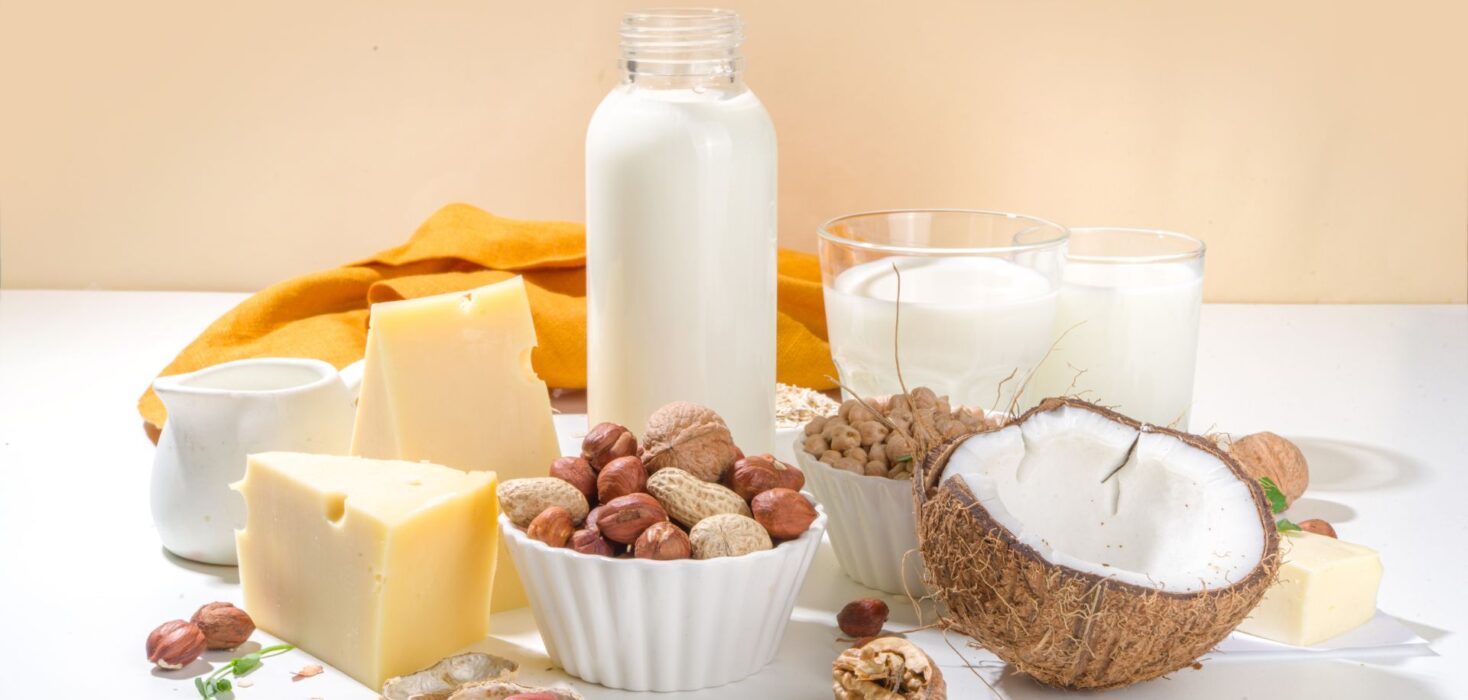
The instruction is simple. “Stop eating chips and biscuits. Eat something healthy instead.” The reality of implementing it — in a household with children who.
Most Indian parents think about breakfast and snacks as essentially the same category — food that children eat before lunch and dinner. One is just.