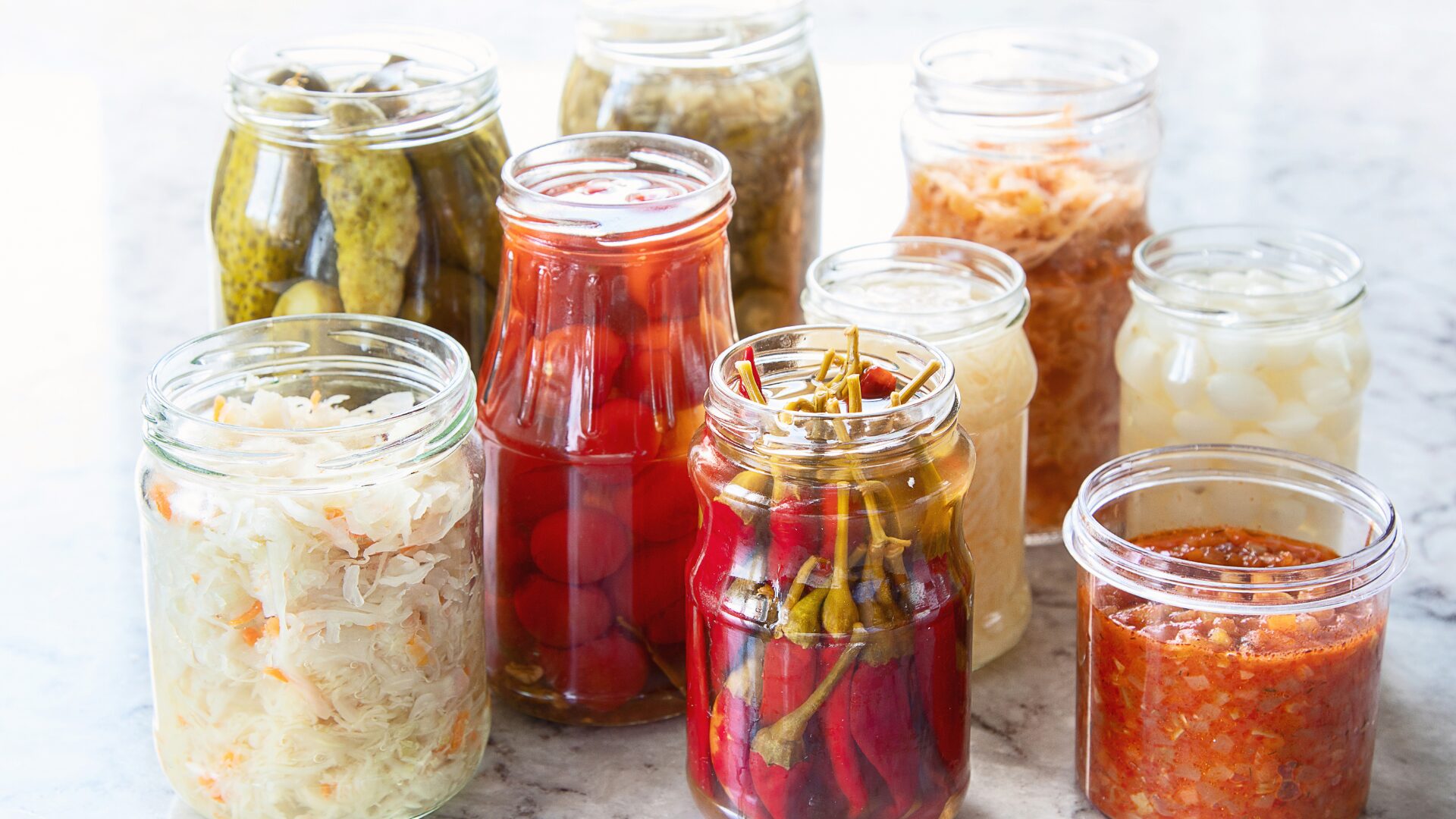
Why Fermented Foods Deserve a Daily Place on Your Plate
Long before "probiotic" was a marketing term, Indian kitchens were fermenting food as a matter of course. The idli-dosa batter left overnight, the bowl of dahi at every meal, the kanji fermenting in a jar through winter — fermentation wasn't a health trend in traditional Indian cooking. It was simply how food was made, for reasons that were as much about preservation and digestibility as flavour.
What fermentation actually does. Fermentation is the controlled growth of beneficial bacteria and yeasts in food — primarily Lactobacillus and related species. As these organisms metabolise the food's carbohydrates, they produce lactic acid, carbon dioxide, and a range of beneficial byproducts, while simultaneously breaking down antinutrients like phytic acid that would otherwise block mineral absorption.
The gut microbiome connection. Regularly consuming live fermented foods introduces beneficial bacterial species directly into the gut, supporting the population of organisms responsible for producing short-chain fatty acids like butyrate — compounds with documented anti-inflammatory, satiety-supporting, and insulin-sensitising effects. A gut microbiome regularly replenished by fermented foods is measurably more diverse and more resilient than one that isn't.
B vitamin synthesis. Fermenting bacteria produce B vitamins — particularly riboflavin, folate, and thiamine — as metabolic byproducts. A fermented dosa batter contains meaningfully more B vitamins than the same batter unfermented, a nutritional gain manufactured entirely by the bacteria doing the fermenting.
Lower glycemic impact. Fermentation converts some starch into organic acids, reducing the net digestible carbohydrate and producing a flatter blood glucose response than the same food unfermented — one reason a well-fermented dosa behaves differently in the body than a quick, unfermented pancake made from the same batter.
Building the daily habit. A bowl of dahi with lunch or dinner. A genuinely fermented (not quick-mixed) dosa or idli batter, rested for the full 8–12 hours it needs. Traditional kanji in season. And on the snacking side, batter-based products that allow even a short rest period before cooking — the Jowar Chilla Mix, for instance, benefits from a brief resting time before cooking, allowing the early stages of fermentation to begin improving digestibility.
Final Thoughts
Fermented food is not an imported wellness trend for Indian households — it is a return to a practice most Indian kitchens already knew, once carried out with more patience than modern convenience-driven cooking typically allows. Rebuilding that patience — letting batters rest, keeping dahi as a daily staple — is one of the simplest, lowest-cost nutritional upgrades available.
Explore Nutramore's fermentation-friendly range: Jowar Chilla Mix | Jowar Upma Premix