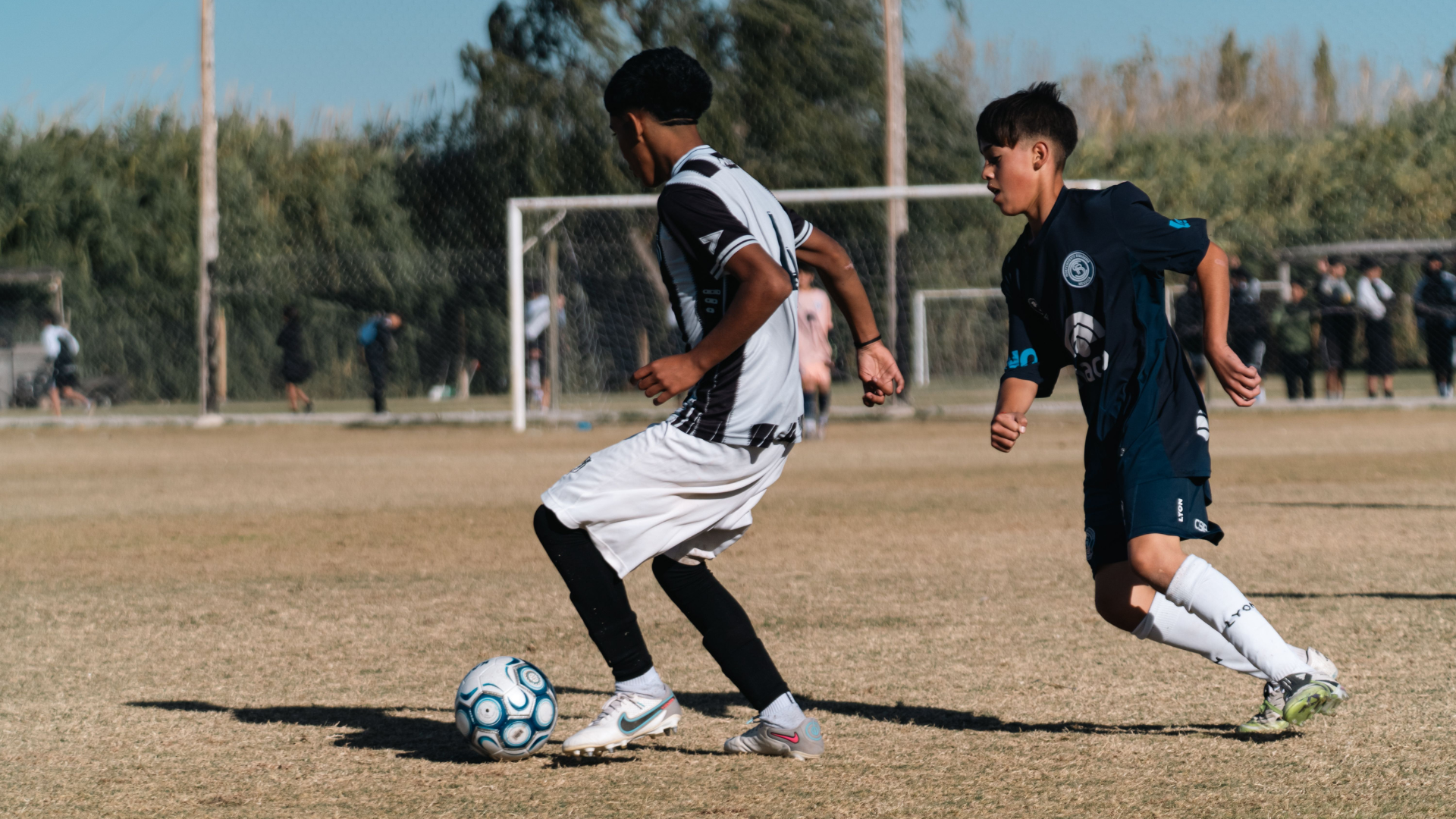
Fuelling Teen Athletes: What School and College Sports Really Demand
A teenager training for school or college-level sport is managing two enormous physiological demands simultaneously: the growth and development of adolescence, and the recovery and fuel demands of regular athletic training. Most teen athletic diets — built around whatever is convenient between school, practice, and homework — meet neither demand adequately, and the gap shows up as underperformance, slow recovery, and injury risk that gets attributed to "just needing to train harder."
Why teen athletes need more than adult guidelines suggest. An adolescent athlete isn't simply a smaller adult athlete — they are growing bone, muscle, and organ tissue at the same time they're placing athletic demands on that same tissue. Caloric and protein needs per kilogram of body weight are genuinely higher for a training teenager than for a training adult, and the consequences of underfuelling are more serious: growth impairment, delayed puberty in extreme cases, and significantly elevated injury risk from a body attempting both construction and repair on inadequate raw material.
Protein for growth and repair, at the right dose. Somewhere in the range of 1.2–1.7g of protein per kilogram of body weight daily is appropriate for most actively training teen athletes — meaningfully above sedentary adolescent guidelines. Complete protein, spread across the day rather than loaded into one meal, supports both the growth demands of adolescence and the muscle repair demands of training. Green-Gram Upma Premix at 32g of complete protein and Jowar Chilla Mix at 30g both meet a substantial portion of daily protein needs in a single practical meal.
Iron for female teen athletes specifically. Training combined with the onset of menstruation puts adolescent girl athletes at particularly high risk of iron deficiency — a combination that directly undermines endurance performance and energy through impaired oxygen delivery. Bajra-based snacks, paired with vitamin C, are a genuinely relevant tool here, not just a general wellness suggestion.
Pre-training and post-training nutrition, adapted for a teen's schedule. The same pre- and post-workout principles that apply to adult athletes apply to teens, with the added complexity of school timing. A Bajra Cookie or two 45–60 minutes before practice provides accessible, low-GI carbohydrate without digestive burden. Post-training, within roughly an hour, a complete-protein option — Baked Protein Sticks alongside a banana — supports both glycogen restoration and the muscle protein synthesis window.
Calcium for the bone density window. Adolescence is the single most important window for lifetime bone density accumulation, and this matters even more for a teen placing repeated mechanical load on bone through sport. Ragi-based snacks, calcium-dense and genuinely enjoyable, support this window meaningfully.
What to watch for: underfuelling disguised as discipline — a teen athlete skipping meals to "make weight" or simply out of a packed schedule is not managing their training well, regardless of how it looks on the outside. Persistent fatigue, frequent injury, or delayed recovery in a training teenager warrants a genuine look at whether intake is matching output, not just more training volume.
Final Thoughts
Teen athletes are asking their bodies to do two demanding jobs at once — grow up and perform athletically — and most teen sports diets aren't built for that dual demand. Adequate complete protein, attentive iron intake (especially for girls), well-timed pre- and post-training fuel, and consistent calcium are not optional extras for a young athlete. They're the foundation the training is supposed to be built on.
Explore Nutramore's athlete-supporting range: Green-Gram Upma Premix | Baked Protein Sticks | Bajra Cookies