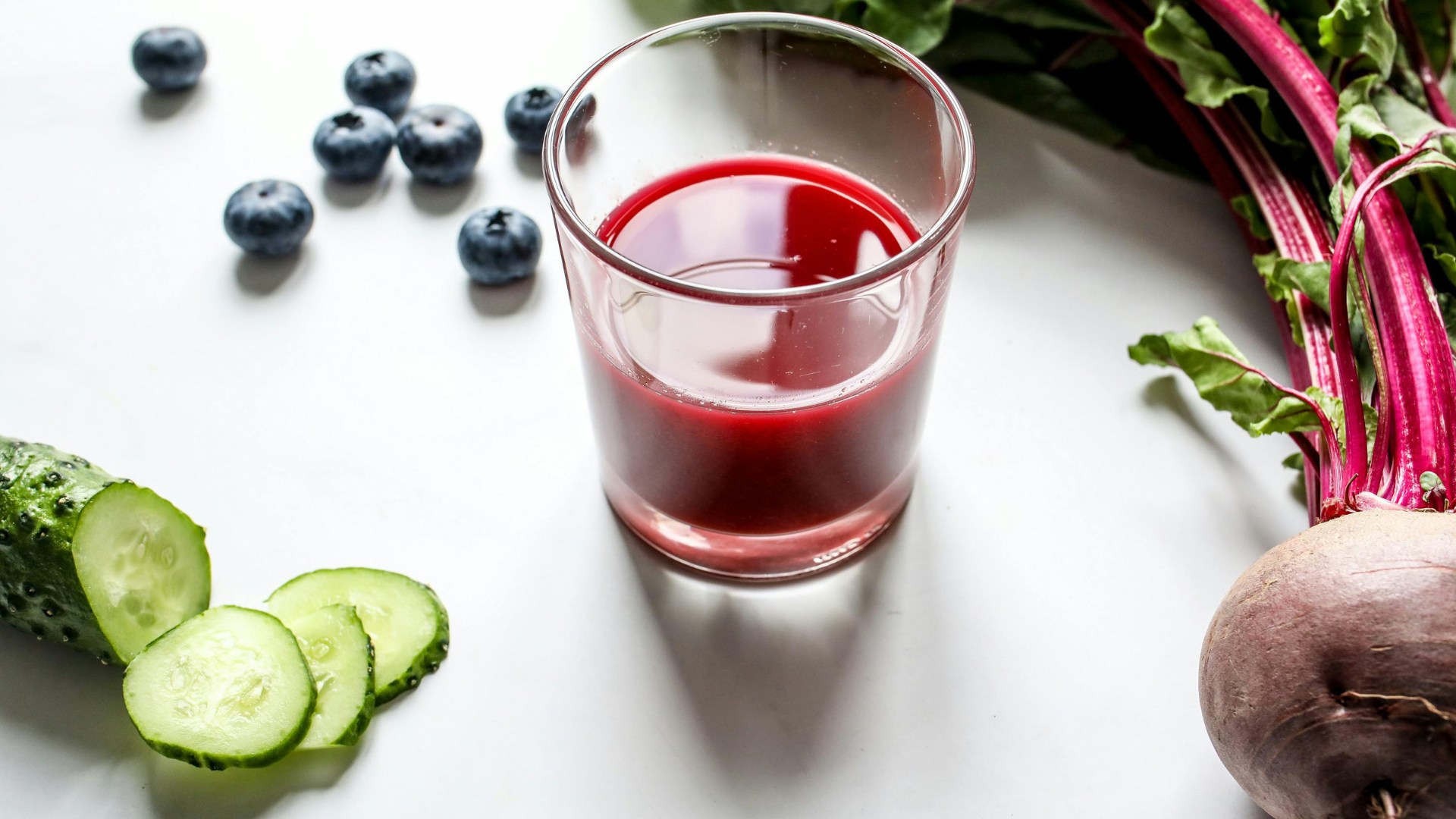
The Truth About Detox Diets and Juice Cleanses
The premise behind most commercial detox products is simple and appealing: toxins accumulate in the body from modern food and pollution, and a specific juice, tea, or restrictive diet can flush them out, resetting your system to a cleaner baseline. It's a compelling story. It's also not how human physiology actually works.
The body already has a detox system — and it's not for sale. The liver and kidneys are highly sophisticated, continuously operating detoxification organs. The liver processes and neutralises toxins through a well-mapped, two-phase enzymatic process; the kidneys filter blood and excrete water-soluble waste around the clock. No juice, tea, or 3-day cleanse adds a capability these organs don't already have — and no credible physiological mechanism has ever been demonstrated by which a juice cleanse meaningfully accelerates their function.
What juice cleanses actually do. Removing fiber, protein, and most of the food matrix while drastically cutting calories produces short-term weight loss — largely water weight and reduced glycogen stores, not fat loss — along with the "lighter, cleaner" subjective feeling that comes from any period of caloric restriction and reduced food volume. This feeling gets attributed to "toxins leaving the body," when the more accurate explanation is simpler and less dramatic.
The real cost. Extended juice-only diets remove protein and fiber almost entirely, producing exactly the blood sugar instability, muscle protein loss, and rebound hunger described throughout the broader conversation on why restrictive dieting fails long-term. A juice cleanse followed by a return to normal eating typically produces the same or greater weight than before the cleanse, alongside a metabolically worse starting position.
What genuinely supports the body's detox systems. Adequate hydration, since the kidneys need sufficient water to filter and excrete waste efficiently. Adequate fiber, since dietary fiber binds to and helps eliminate certain waste products via the digestive tract, and feeds the gut bacteria that support this process. Cruciferous vegetables, which contain compounds that support the liver's phase II detoxification enzymes. And, unglamorously, simply not overloading the system in the first place — reducing alcohol, processed food, and excess sugar does more for liver function than any cleanse marketed as a fix for the damage those things cause.
Where whole-grain, high-fiber eating actually fits. A diet built around whole millets and pulses supports the liver and kidneys through exactly the unglamorous mechanisms that work — consistent fiber intake, stable blood sugar that doesn't stress the pancreas and liver repeatedly, and adequate protein that supports the amino acids the liver's detox enzymes require. The Millet Methi Crispies and whole millet-based range provide this kind of steady, fiber-forward support far more meaningfully than any short-term juice regimen.
Final Thoughts
The appeal of a detox cleanse is the promise of a quick reset after a period of poor eating. The body doesn't actually need that reset — it needs consistent support for the detoxification systems it already runs continuously. That support looks like ordinary, sustainable eating, not a dramatic three-day intervention.
Explore Nutramore's fiber-rich, liver-supportive range: Millet Methi Crispies