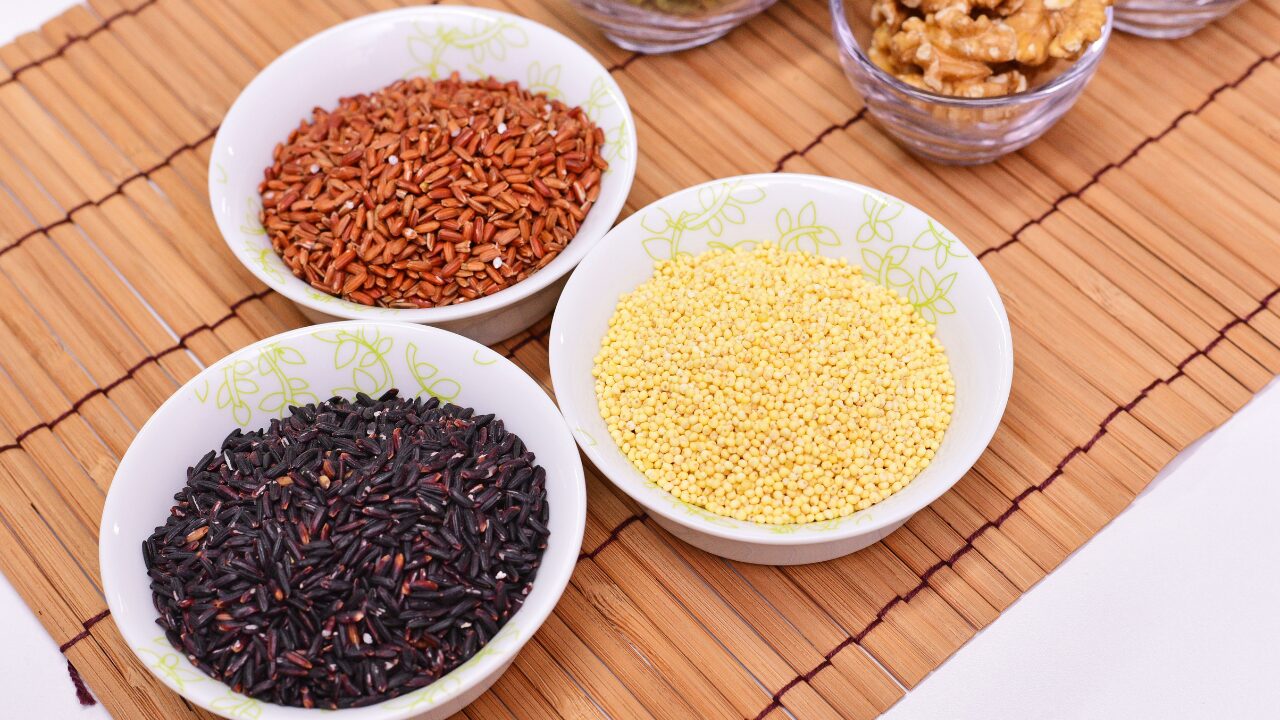
India grows more than a dozen varieties of millet. For most of the country's history, they were dietary staples — eaten daily, prepared in dozens of forms, and varied by region, season, and purpose. A Rajasthani household reached for bajra in winter for its warming, iron-rich properties. A Karnataka kitchen turned to ragi for calcium and protein. A Maharashtra table was built on jowar — the bhakri, the porridge, the sattu.
Then came the decades of wheat and rice dominance, and millets retreated — first to rural kitchens, then to memory.
Now they are returning. But the return is happening without the contextual knowledge that made the original millet culture so nutritionally intelligent. People know millets are good. They do not always know which millet is good for what — and this matters, because the nutritional profiles of different millets vary significantly, and matching the right millet to the right health goal produces dramatically better outcomes than treating all millets as interchangeable.
This blog provides that matching — clearly, specifically, and with the evidence to support each recommendation.
Why Different Millets Have Different Nutritional Strengths
Millets belong to a broad botanical category of small-seeded cereal grasses, and while they share general properties — gluten-free, whole grain, fiber-rich, lower GI than refined wheat — their specific compositions differ substantially. Each millet has a distinct mineral profile, a distinct fiber type and quantity, a distinct polyphenol spectrum, and a distinct protein composition. These differences are not marginal — they are the basis on which specific millets should be chosen for specific health purposes.
Understanding four millets in detail — jowar, bajra, ragi, and foxtail millet — covers the majority of practically available and commonly consumed millet options in India and provides a comprehensive framework for purposeful millet selection.
Jowar (Sorghum): The Best Millet for Blood Sugar and Diabetes Management
The Nutritional Profile
Jowar contains approximately 11g of protein per 100g — higher than wheat — alongside 10g of dietary fiber per 100g. Its glycemic index sits between 55 and 62. It contains a significant quantity of resistant starch — starch that bypasses the small intestine entirely and is fermented in the colon, producing short-chain fatty acids and dramatically reducing the net digestible carbohydrate compared to what total carbohydrate numbers suggest.
Most distinctively, jowar is rich in polyphenols — particularly tannins, anthocyanins, and phenolic acids — that directly inhibit the starch-digesting enzymes amylase and glucosidase in the small intestine. This inhibition is the same mechanism targeted by the diabetes medication acarbose. Jowar's polyphenols slow starch digestion in a way that further reduces the post-meal glucose response beyond what the fiber and resistant starch alone would produce.
Why It Is Best for Diabetes and Pre-Diabetes
The combination of low GI, high resistant starch, and enzyme-inhibiting polyphenols makes jowar the most studied and most consistently recommended millet for blood sugar management. Research published in the Journal of the Academy of Nutrition and Dietetics has demonstrated post-meal glucose reductions of 25–30% compared to refined wheat in type 2 diabetic subjects eating jowar-based meals.
For people managing diabetes or pre-diabetes, jowar in snack form — Nutramore's Jowar Upma Premix, Jowar Chilla Mix, Jowar Coconut Cookies, and Jowar Chocolate Cookies — provides the most directly applicable blood sugar management benefit of any millet in convenient formats.
Also Good For
Gut health (resistant starch feeds beneficial colonic bacteria), cardiovascular health (polyphenols reduce LDL oxidation), and PCOD management (low GI reduces the insulin-androgen cascade that drives PCOD symptoms).
Bajra (Pearl Millet): The Best Millet for Weight Loss and Iron Deficiency
The Nutritional Profile
Bajra's most remarkable characteristic is its mineral density. It contains approximately 8mg of iron per 100g — among the highest of any grain — alongside 130–140mg of magnesium per 100g, significant zinc, and meaningful phosphorus. Its glycemic index is approximately 54 — the lowest of the four millets discussed here.
Bajra also contains notable quantities of beta-glucan — a soluble fiber with documented blood glucose-moderating properties that forms a viscous gel in the digestive tract, slowing glucose absorption and sustaining GLP-1 satiety hormone production for longer than the soluble fiber in most other grains.
Why It Is Best for Weight Loss
Bajra's weight management advantages operate through four simultaneous mechanisms. Its low GI produces a gentle glucose curve that prevents the spike-crash-craving cycle that drives caloric overconsumption. Its beta-glucan stimulates GLP-1 and PYY — the primary satiety hormones — sustaining fullness for longer per calorie than refined alternatives. Its magnesium content directly supports insulin sensitivity — improving the cellular machinery that determines whether glucose is metabolised for energy or stored as fat. And its iron supports the thyroid function and mitochondrial energy production that determine resting metabolic rate.
Research on pearl millet consumption in overweight adults consistently shows greater reduction in waist circumference and visceral fat than equivalent caloric substitution with refined wheat — effects attributed primarily to the insulin sensitivity improvement from magnesium and the satiety extension from beta-glucan.
Nutramore's Bajra Cookies and Bajra Moong Chocolate Cookies provide bajra's weight management profile in a snack format that pairs its beta-glucan with moong's pulse protein — the protein-fiber combination that produces the most sustained satiety per calorie of any macronutrient pairing.
Also Good For
Iron-deficiency anaemia (particularly relevant for menstruating women and growing children), thyroid function support, stress management (magnesium regulates the HPA axis that governs cortisol), and pre-menopausal bone density maintenance.
Ragi (Finger Millet): The Best Millet for Bone Health, Children, and Pregnancy
The Nutritional Profile
Ragi's defining characteristic — the one that distinguishes it most dramatically from every other grain in Indian cuisine — is its calcium content. At approximately 344mg of calcium per 100g, ragi contains nearly 10 times the calcium of wheat (34mg per 100g) and nearly three times the calcium of milk (approximately 120mg per 100ml). For a plant-based food, this is extraordinary.
Ragi also contains significant iron (3.9mg per 100g), protein (7–8g per 100g), and a particularly rich polyphenol profile — including catechins and epicatechins that have anti-diabetic properties, and ferulic acid that supports antioxidant protection and reduces the inflammatory pathways linked to metabolic disease.
Why It Is Best for Bone Health, Children, and Pregnancy
The calcium density of ragi makes it the most important millet for any life stage where calcium needs are elevated or calcium sources are limited.
Children in the 4–12 age range are in a critical window for bone mineralisation — the calcium deposited during this period significantly influences lifetime bone density. Ragi in the daily snack rotation provides a calcium contribution that rivals dairy without the potential allergenicity or digestive concerns of lactose.
Pregnant and breastfeeding women face dramatically increased calcium demands — both for foetal skeletal development and for maintaining maternal bone density during lactation when calcium is mobilised from the mother's bones to produce calcium-rich breast milk. Nutramore's Multigrain Cookies Combo for Moms — combining ragi, bajra, and moong — is specifically formulated with this life stage in mind.
Adolescent girls and perimenopausal women face their respective windows of critical bone density opportunity — both groups benefit from consistent ragi inclusion in daily eating. Ragi Chocolate Cookies and Rice Ragi Cookies make this calcium delivery practical, consistent, and genuinely enjoyable.
Also Good For
Managing PMS (calcium is directly linked to reduced PMS severity), supporting weight management through polyphenol-mediated adipogenesis inhibition, and blood sugar management through enzyme-inhibiting polyphenol activity.
Foxtail Millet (Kangni): The Best Millet for Everyday Nutritional Foundation
The Nutritional Profile
Foxtail millet is the smallest and most delicately flavoured of the commonly consumed Indian millets, with a GI of approximately 50–55 — the lowest among major millets. It contains approximately 12g of protein per 100g, 8g of fiber, and a particularly high content of the B vitamins thiamine (B1) and niacin (B3) — both essential for energy metabolism and nervous system function.
Foxtail millet also contains significant leucine — the essential amino acid most critical for muscle protein synthesis — in higher quantities than most other plant proteins. This makes it particularly valuable for muscle maintenance in active individuals and in elderly people managing sarcopenia.
Why It Is Best for Daily Nutritional Foundation
Foxtail millet's combination of the lowest GI among common millets, high protein with good leucine content, B vitamins for energy metabolism, and a mild flavour that pairs easily with diverse ingredients makes it the most versatile daily-use millet for people without a specific medical condition driving millet selection. For healthy adults building a long-term whole-grain foundation for their diet, foxtail millet's balanced profile covers the broadest range of nutritional bases without the specific intensity of any single nutrient that characterises the other millets.
The Millet Selection Framework
Here is the complete selection guide:
For blood sugar management and diabetes: Jowar first — its resistant starch and polyphenol enzyme inhibition are the most directly relevant. Bajra as a strong second for its additional insulin sensitivity support through magnesium.
For weight loss: Bajra first — its beta-glucan satiety extension and magnesium-driven insulin sensitivity improvement are the most directly relevant for fat loss. Jowar as a strong second for its very low GI and resistant starch.
For bone health, pregnancy, and children: Ragi unambiguously — its calcium density is the most relevant nutrient for all of these purposes. No other millet comes close on calcium.
For iron deficiency: Bajra first — approximately 8mg per 100g. Ragi second at approximately 3.9mg per 100g. Both paired with a vitamin C source to maximise non-haem iron absorption.
For gut health: Jowar's resistant starch is the most potent prebiotic among common millets, producing the highest SCFA output from colonic fermentation.
For daily general wellness: Any whole millet, rotated for variety. The All-Time Favourite Cookies Combo — rotating jowar, rice-ragi, and bajra — provides this variety across three distinct millet profiles with the full spectrum of benefits distributed across the week.
For families with mixed needs: The Breakfast Premix Combo — combining jowar upma, jowar chilla, and green-gram upma — provides the diabetes and weight management benefits of jowar combined with the protein density of green gram across the week's breakfasts.
Final Thoughts
The return of millets to Indian tables is nutritionally significant — but it is most significant when it is purposeful. Knowing that jowar's polyphenols make it the superior blood sugar millet, that bajra's beta-glucan and magnesium make it the superior weight management millet, and that ragi's calcium is unmatched for bone-dependent life stages transforms millet consumption from a general health gesture into a targeted nutritional strategy.
The intelligence of traditional Indian millet culture lay partly in this regional and seasonal specificity — bajra in the cold northern winters for its warming iron and magnesium, ragi through the year in the south for its calcium foundation, jowar as the everyday bhakri of Maharashtra's agricultural heartland. That specificity deserves to be recovered alongside the grains themselves.
Explore Nutramore's full range at nutramore.in/our-products