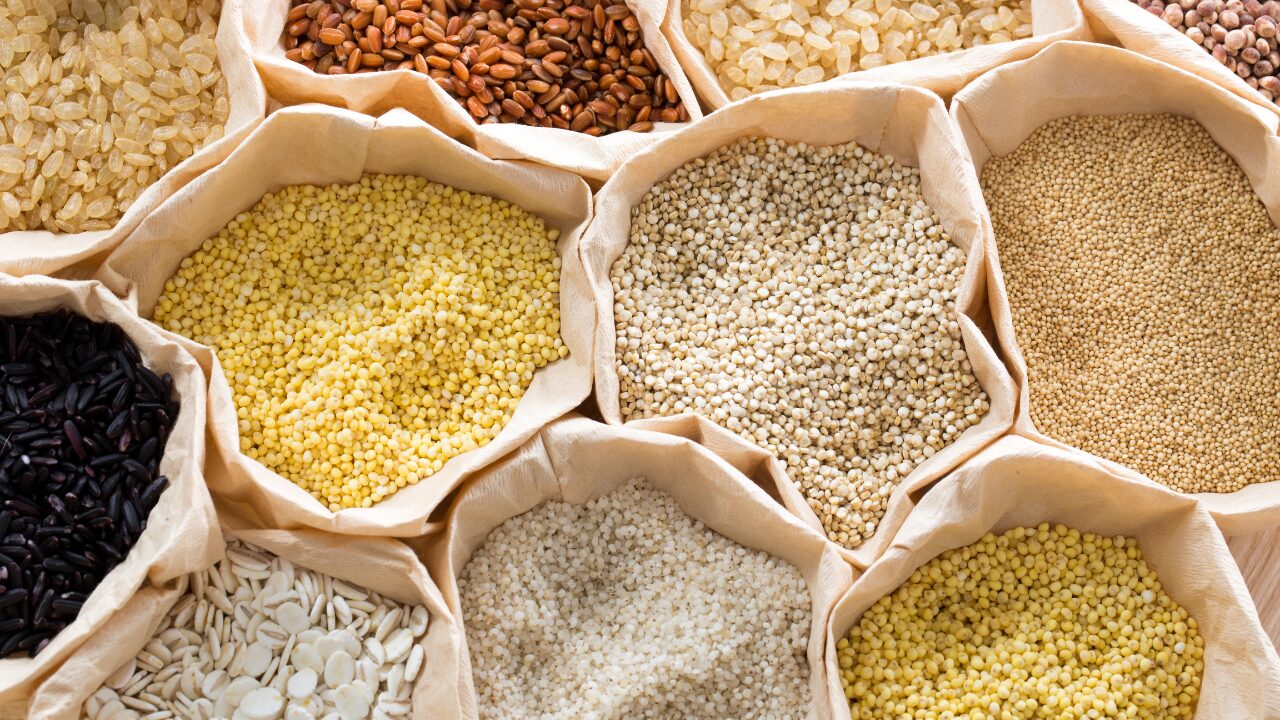
There is a reason traditional millet preparations across India involve soaking, fermenting, and specific water ratios. Generations of home cooks did not arrive at these practices through nutritional science — they arrived at them through observation. The millet that was soaked overnight cooked more evenly. The batter that fermented for a day was lighter and more digestible. The bhakri made from properly dried, freshly ground flour had better texture and kept the cook energised through the morning.
Modern enthusiasm for millets often skips these preparation steps in favour of convenience — and the result is frequently a disappointing culinary experience alongside reduced nutritional benefit. Understanding why preparation matters and how to do it correctly is what converts millet enthusiasm into millet nutrition.
Why Preparation Method Matters: The Antinutrient and Digestibility Problem
Millets — like all grains and legumes — contain antinutrients: naturally occurring compounds whose evolutionary purpose is to protect the seed from predation and premature germination. The most relevant antinutrients in millets for human nutrition are:
Phytic acid (phytates): Present in the outer bran layer of all millets. Phytic acid binds to minerals — iron, zinc, calcium, magnesium — forming insoluble complexes that pass through the digestive system without being absorbed. A diet high in phytic acid from unprepared whole grains can significantly reduce mineral absorption, potentially creating deficiency in the very minerals the grain is celebrated for providing.
Tannins and polyphenols: Present in higher concentrations in sorghum (jowar) and finger millet (ragi). While some polyphenols are beneficial antioxidants, tannins at high concentrations bind to proteins and reduce their digestibility — reducing the effective protein absorption from the meal.
Enzyme inhibitors: Trypsin inhibitors and amylase inhibitors in raw millet reduce the activity of digestive enzymes, slowing protein and starch digestion and potentially causing bloating and discomfort in people with sensitive digestive systems.
The good news is that all of these antinutrients are significantly reduced by appropriate preparation methods — soaking, malting, fermenting, and adequate cooking — in ways that dramatically improve both digestibility and mineral bioavailability.
Soaking: The Simplest and Most Important Preparation Step
Soaking whole millets or millet flour in water for 6–12 hours before cooking activates the grain's own phytase enzyme — which breaks down phytic acid, releasing the bound minerals and making them available for absorption. Research has documented phytic acid reductions of 40–60% with overnight soaking, corresponding to measurable increases in iron and zinc absorption from the same grain.
Soaking also partially hydrates the grain, shortening cooking time and producing a more even texture. The water used for soaking should be discarded and fresh water used for cooking — as this removes the dissolved phytate and any surface compounds that have leached into the soaking water.
Practical soaking guide:
Whole bajra and jowar — soak for 8–12 hours before pressure cooking or boiling. Ragi flour — soak in water for 6–8 hours before cooking as porridge or roti dough; this is the basis of the traditional ambali porridge that is among the most digestible ragi preparations. Whole foxtail millet — soak for 30–60 minutes before cooking as a rice substitute; longer soaking is not necessary for this smaller grain.
Fermentation: The Most Nutritionally Transformative Preparation
Fermentation — the process by which beneficial bacteria convert carbohydrates to organic acids, carbon dioxide, and other compounds — is the most nutritionally impactful preparation method available for millets, producing benefits that no other technique replicates.
What fermentation does:
Phytic acid reduction is even more complete than with soaking alone — research shows reductions of 60–90% with 24–48-hour fermentation, dramatically improving mineral bioavailability.
B vitamin synthesis — particularly folate, riboflavin (B2), and thiamine (B1) — increases significantly during fermentation as bacteria synthesise these vitamins as metabolic byproducts. A fermented millet product may contain 2–3 times the B vitamin content of the same grain unfermented.
The glycemic index of fermented millet products is lower than unfermented equivalents — fermentation converts some starch to organic acids, reducing the net digestible starch content and producing a flatter post-meal glucose curve.
Prebiotic fiber — specifically the oligosaccharides produced during fermentation — feeds beneficial gut bacteria in the consumer's digestive system, providing an additional gut health benefit beyond what the unfermented grain delivers.
Traditional fermented millet preparations:
The dosa, idli, and koozh (fermented ragi porridge) traditions of South India were nutritionally engineered fermentation systems developed over millennia. Jowar-based ambali in Karnataka, fermented ragi kanji in Tamil Nadu, and bajra rabdi in Rajasthan all represent regional expressions of the same underlying nutritional intelligence.
Modern application: When making ragi porridge, allow the soaked and ground batter to ferment at room temperature for 8–12 hours before cooking. For jowar bhakri dough, allowing the dough to rest for several hours before cooking modestly improves digestibility. Jowar-based chilla batter benefits from 4–6 hours of fermentation.
The Right Water Ratio: Texture, Digestibility, and Nutrient Retention
The water-to-millet ratio used in cooking affects both texture and digestibility significantly. Undercooked millet — produced by insufficient water or cooking time — retains more of its antinutrient activity, has harder cell wall structure that resists digestive enzyme access, and produces the gritty, uncomfortable digestive experience that gives some people their initial negative impression of whole millets.
Properly cooked millets should be completely soft through the grain — no resistance at the centre. For pressure cooking:
Whole bajra: 1 part bajra to 3.5–4 parts water, 3–4 whistles in a pressure cooker, followed by 10 minutes of natural pressure release.
Whole jowar: 1 part jowar to 4 parts water, 4–5 whistles. Jowar is the hardest of common millets and benefits from the most thorough cooking.
Whole foxtail millet: 1 part foxtail to 2.5 parts water, 2–3 whistles. The smallest millet cooks fastest and needs less water.
Ragi flour porridge: 1 tablespoon ragi flour to 1 cup water, cooked over medium heat with constant stirring for 8–10 minutes until fully thickened. Ragi starch requires sustained heat to fully gelatinise.
Malting (Sprouting Then Drying): Maximum Digestibility for Babies and Elderly
Malting — the process of sprouting grains and then drying and grinding them — produces the most digestively gentle form of any millet. Sprouting activates enzymes that begin the digestion process within the grain itself, partially breaking down starch, protein, and antinutrients before cooking. The resulting malted flour requires shorter cooking times, produces more easily digested foods, and delivers improved mineral bioavailability.
Malted ragi flour — readily available in Indian markets as "sprouted ragi flour" or "ragi satva" — is the basis of the traditional ragi malt given to infants and toddlers. The malting process reduces ragi's phytic acid by approximately 70–85%, dramatically increases its digestibility, and produces a porridge consistency that even developing digestive systems handle comfortably.
For elderly individuals whose digestive enzyme production has declined, malted millet flours — used in porridges and thin batters — provide the nutritional density of whole millets in a form that requires the least digestive work from the consumer's own system.
Common Mistakes in Millet Cooking
Using millet flour that has been stored for too long. Millet flour contains the germ's natural oils, which oxidise during storage and produce rancid flavour compounds. Whole grain millet flour should be used within 2–3 months of milling. Buying small quantities from producers with fast turnover — or milling at home before use — produces measurably better flavour and nutritional quality.
Not soaking before cooking whole grains. Particularly for bajra and jowar, which have the highest antinutrient levels. Skipping soaking reduces mineral bioavailability by 30–50%.
Cooking on too high a heat. Rapid boiling of millet porridges and upmas without constant attention produces uneven cooking — overcooked on the outside, undercooked at the grain centre. Medium heat with regular stirring produces more even gelatinisation.
Adding salt too early to bean or pulse combinations. When millets are cooked with pulses — as in khichdi or upma — adding salt early hardens the pulse outer skin and extends cooking time significantly. Add salt after the grain and pulse are both fully cooked through.
Not pairing with vitamin C for maximum mineral absorption. A squeeze of lime over ragi porridge, a piece of amla alongside bajra-based food, or a piece of guava with a jowar snack increases non-haem iron absorption from the millet by 2–4 times through the ascorbic acid-iron chelation that converts insoluble iron to the more absorbable ferrous form.
What This Means for Nutramore's Products
The preparation methods that maximise millet digestibility and bioavailability are built into the formulation of well-made millet products — not visible as a separate step the consumer needs to take. Nutramore's whole millet flours are used as the base of products that are baked at appropriate temperatures to ensure full starch gelatinisation, and the millet-pulse combinations in each product provide the protein complementation that further improves the amino acid quality of the protein absorbed.
For home cooking, Jowar Upma Premix and Jowar Chilla Mix benefit from the standard preparation process — water addition, brief rest, then cooking — that the premix format simplifies without removing the cooking step that ensures full starch hydration.
Final Thoughts
The right preparation of millets is not complicated — it requires soaking before cooking whole grains, allowing fermentation time for batter-based preparations, using appropriate water ratios for complete cooking, and pairing with vitamin C sources for maximum mineral absorption. These steps transform millet from a nutritionally promising ingredient into a nutritionally complete food — delivering the minerals, proteins, and low-GI carbohydrates that make millets genuinely superior to refined alternatives, rather than merely theoretically superior.
Explore Nutramore's range at nutramore.in/our-products
Tags: how to cook millets India, millet soaking benefits, fermented millet nutrition, ragi porridge recipe, phytic acid millets, millet digestibility, antinutrients millets India, malted ragi flour