The office environment is nutritionally hostile in ways that are not always obvious until you notice the pattern: energy crashes at 2pm that make simple tasks feel effortful, the biscuit tin that empties by Wednesday because

Monday to Friday has a rhythm. Breakfast is rushed but relatively consistent. Lunch is whatever is available at the desk or the office canteen. Snacks happen at predictable times driven by work schedule. Dinner arrives when
Nutritional deficiency in children is not always the dramatic wasting or stunting that clinical descriptions emphasise. In the majority of cases in Indian middle-class households, nutritional deficiency is subtle — manifesting as vague, easily attributed-elsewhere symptoms
The instruction is simple. "Stop eating chips and biscuits. Eat something healthy instead." The reality of implementing it — in a household with children who have strong food preferences, with adults who eat emotionally, with pantries
Most Indian parents think about breakfast and snacks as essentially the same category — food that children eat before lunch and dinner. One is just bigger than the other. The breakfast is a meal, the snack
Carbohydrates have had a difficult decade in nutritional public opinion. Low-carb diets, keto protocols, and the general cultural association between carbohydrates and weight gain have produced a widespread belief that carbohydrates are the primary nutritional problem
The word "diet" carries a specific meaning in popular culture that is nutritionally distinct from its scientific definition. When most people say they are "going on a diet," they mean a temporary, calorically restricted eating protocol
Two people eat the same meal. One stores more fat from it. One feels fuller for longer. One has more stable blood sugar. One experiences more cravings. The differences are real and consistent — not explained
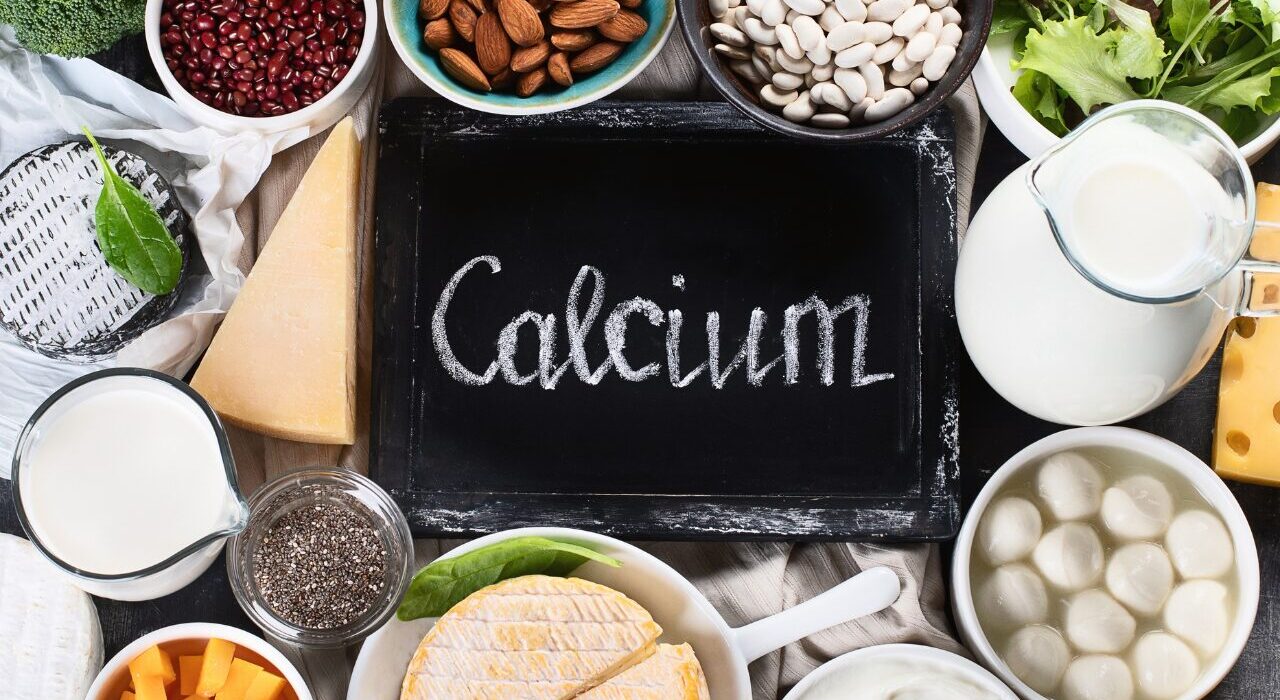
"Drink your milk for strong bones" is one of the most persistent nutritional messages in Indian households. It is not wrong — milk is a genuine calcium source. But it is incomplete in ways that leave
PCOS — polycystic ovary syndrome — is the most common endocrine disorder affecting women of reproductive age, and its prevalence in India is among the highest in the world. Estimates from Indian epidemiological studies suggest that